Table of Contents
- Why Cordless Heat and Compression Devices Are Changing Recovery
- Combining Therapeutic Heat and Pneumatic Compression
- Benefits of Pneumatic Compression for Recovery
- How to Use Heat Therapy for Strains Effectively
- How Long to Use Heat Therapy for Muscle Pain
- Safety, Battery Life, and Contraindications
- A Practical Guide for Athletes, Clinics, and Post-Op Recovery
- Conclusion: Making Heat and Compression Part of Your Routine
- Frequently Asked Questions
Last Updated: September 4, 2026
Why Cordless Heat and Compression Devices Are Changing Recovery
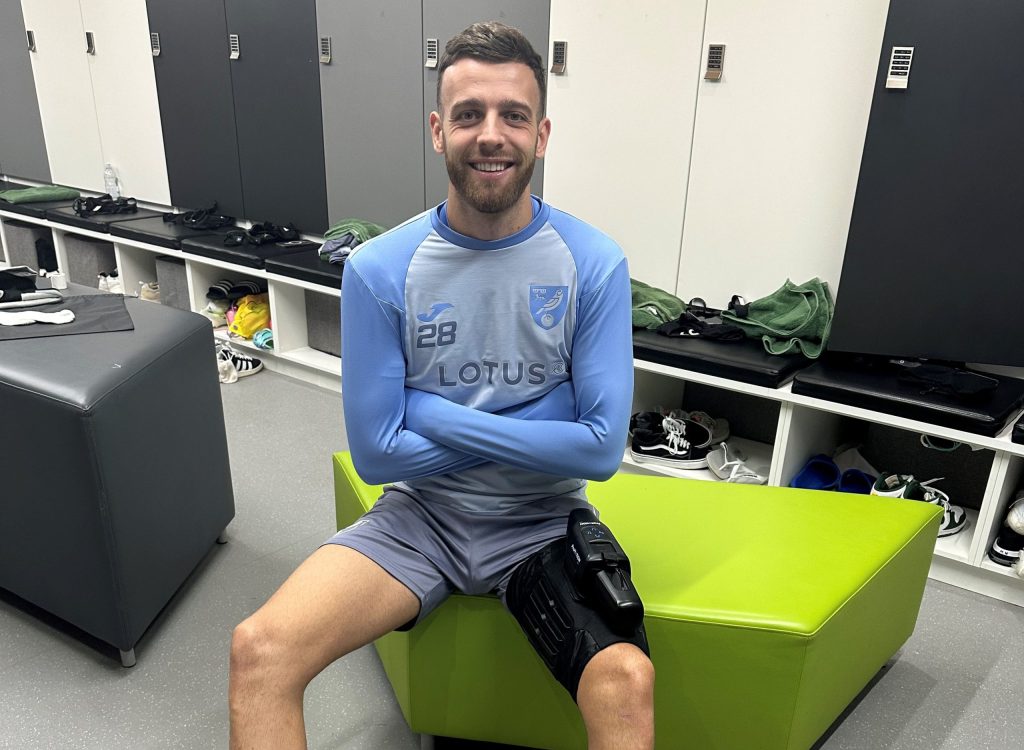
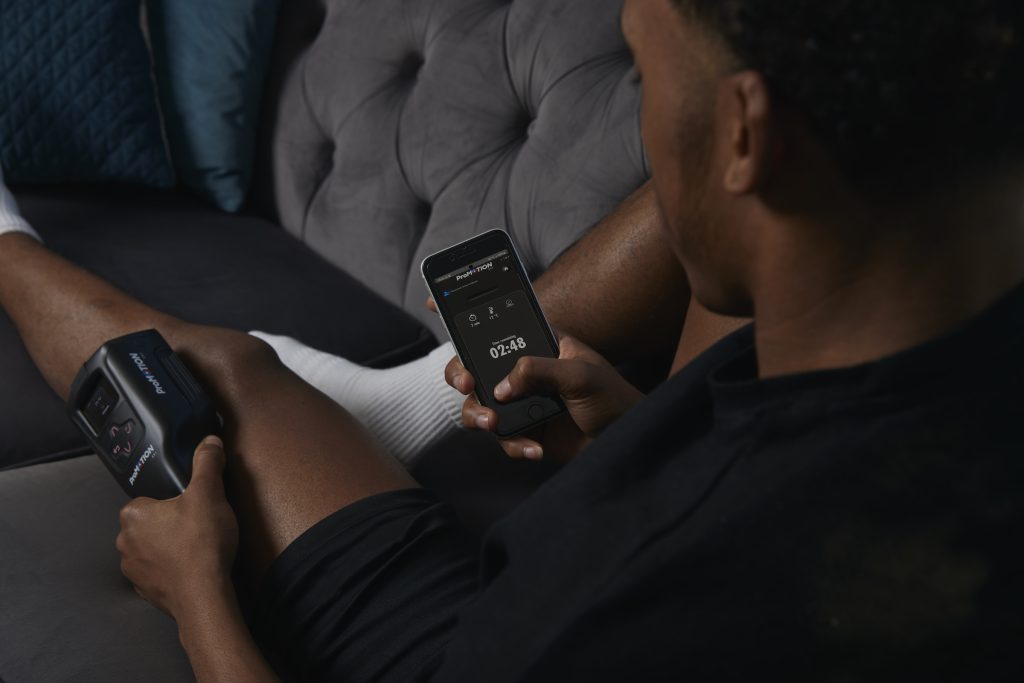
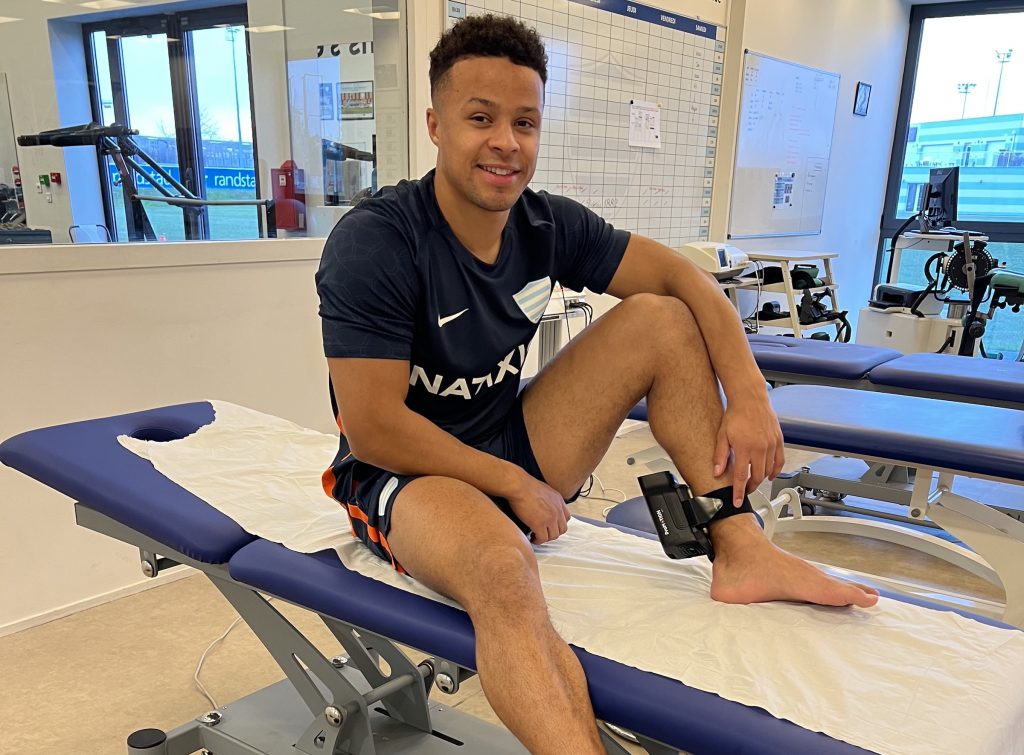
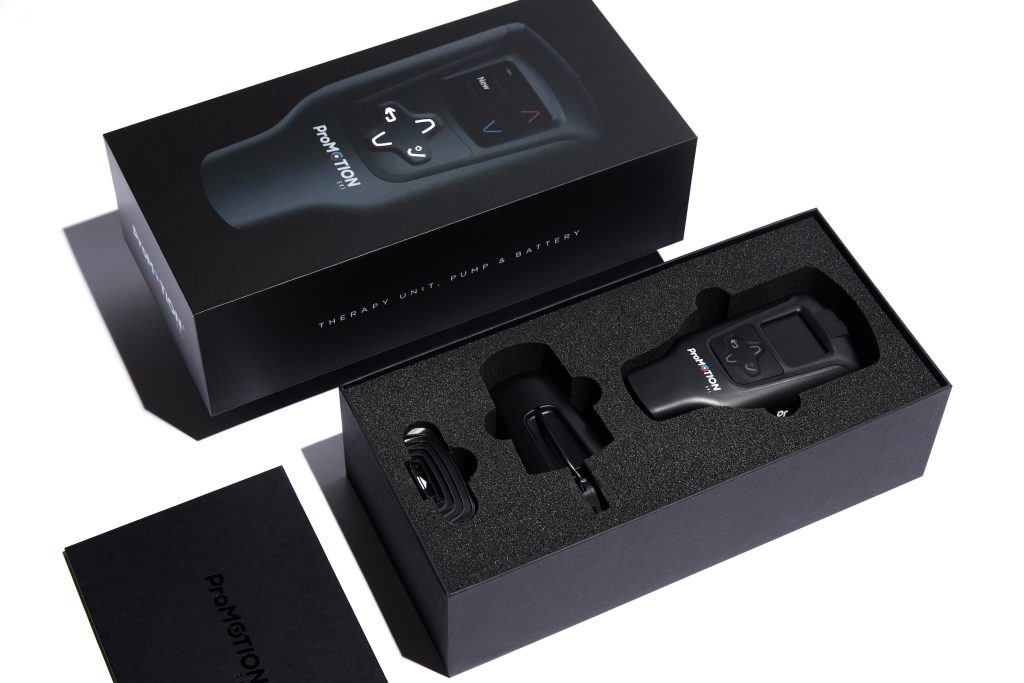
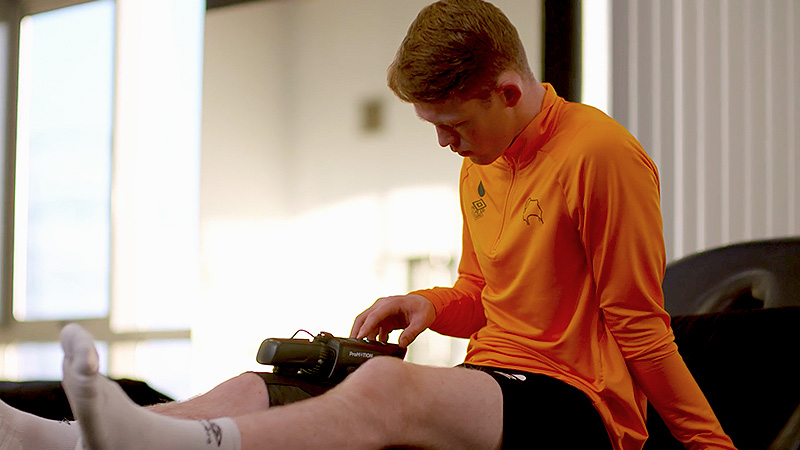
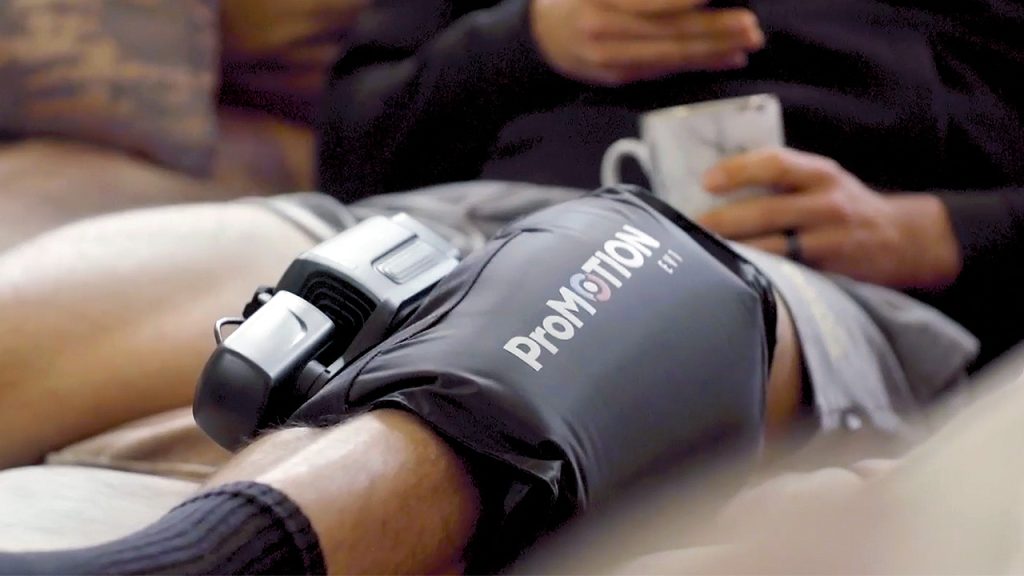
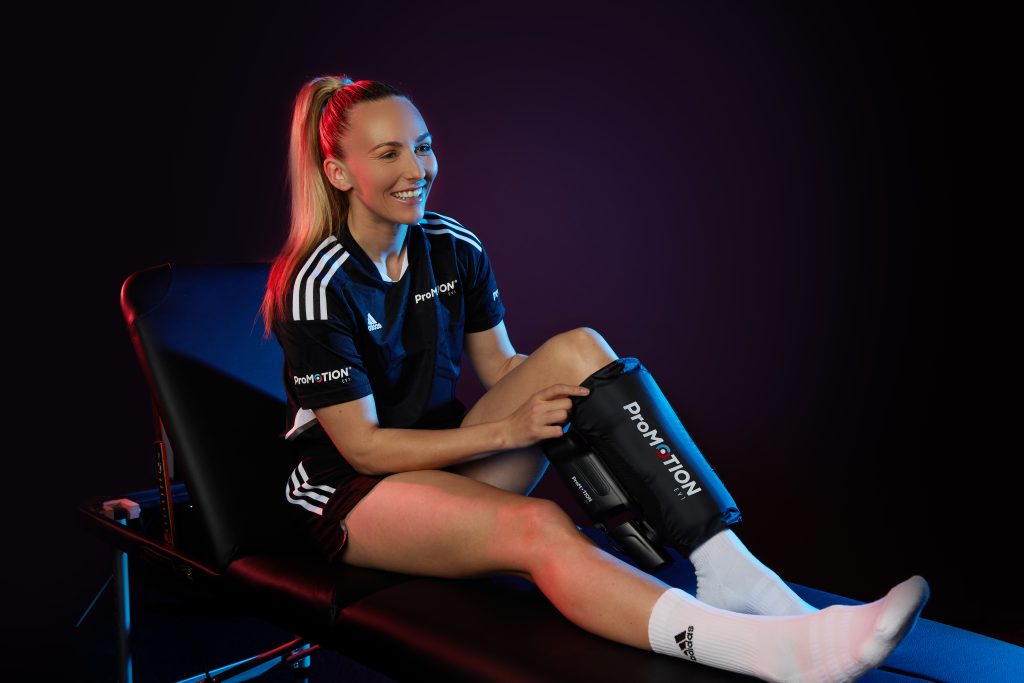
Recovery from soft tissue injuries has long been tethered to stationary machines and ice baths. Cordless heat and compression therapy shifts how athletes, clinics, and post-operative patients approach rehabilitation: delivering clinical-grade treatment anywhere, without being plugged into a wall. At Swellaway, we design the ProMOTION EV1 around this principle, combining targeted heat, compression, and even cryotherapy in a single portable unit.
The most important advantage is continuity of care. When treatment isn't confined to a clinic room, patients actually follow their protocols. A device that fits in a gym bag or carry-on removes the two biggest barriers to consistent recovery: scheduling and accessibility.
Combining Therapeutic Heat and Pneumatic Compression
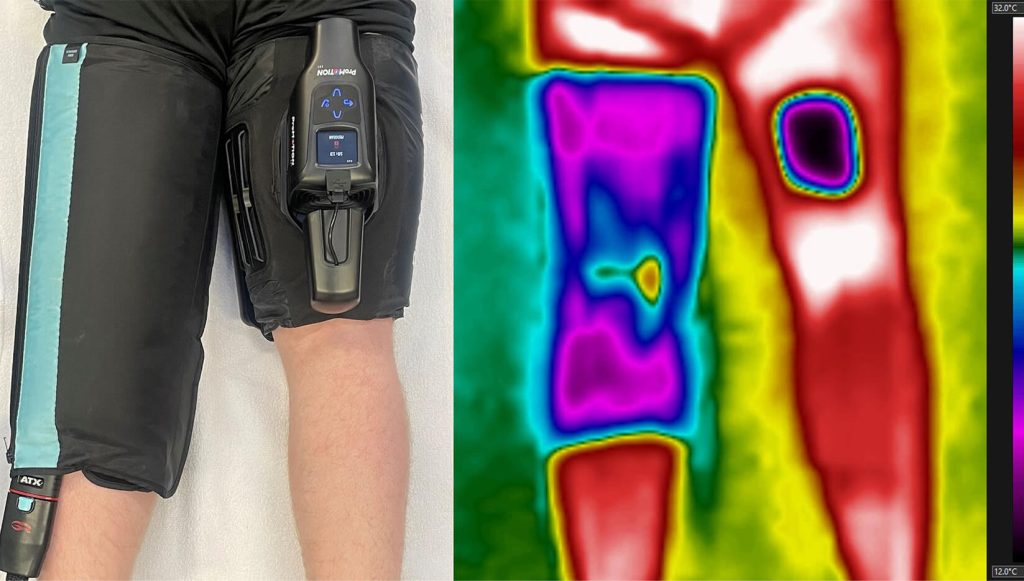
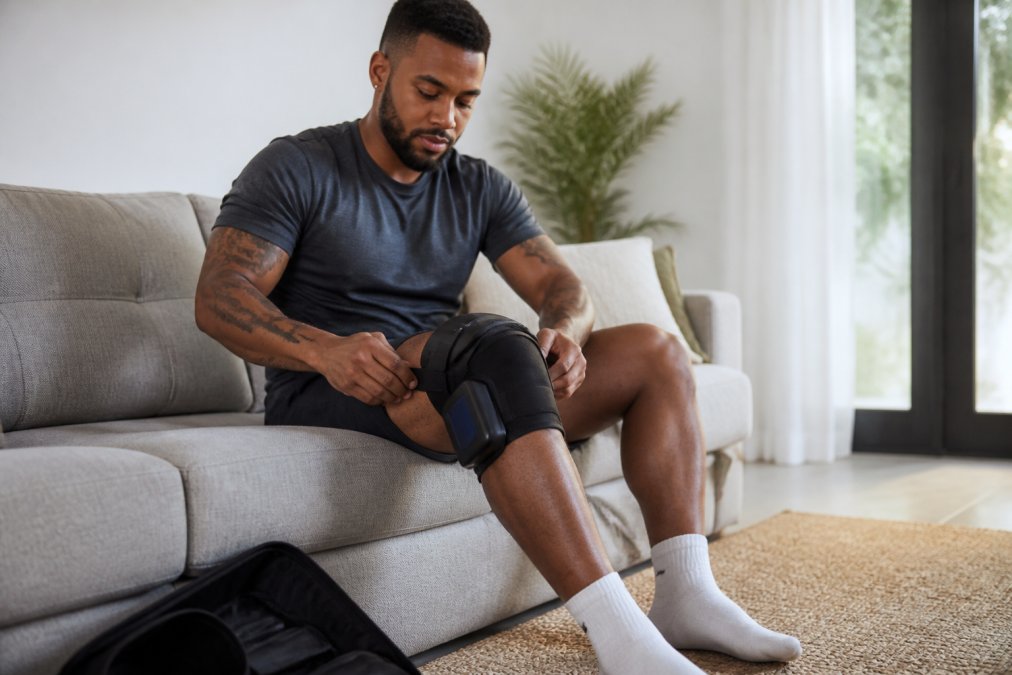
Heat and compression therapy is the simultaneous application of therapeutic heat with pneumatic compression cycles. The heat promotes vasodilation, which widens blood vessels and increases blood flow to the injured area. The compression then acts as a mechanical pump, pushing that oxygen-rich blood through the tissue while encouraging lymphatic drainage to clear metabolic waste.
These two mechanisms work synergistically. Heat alone relaxes muscle fibers and reduces joint stiffness, but it doesn't move fluid. Compression alone moves fluid, but it doesn't address deep tissue tension. Together, they deliver both tissue oxygenation and mechanical mobilization, making the therapy effective for chronic pain management and for breaking the cycle of swelling that slows soft tissue healing.
Benefits of Pneumatic Compression for Recovery
The benefits of pneumatic compression for recovery extend well beyond simple pressure application. To understand why it works, it helps to distinguish between the two main modes of delivery: uniform compression, which applies the same pressure across the entire cuff, and sequential (or gradient) compression, which inflates in a wave from the distal end of the limb toward the heart. Most clinical-grade cordless devices, including the ProMOTION EV1, use sequential compression because it more closely mimics the natural muscle pump of the limbs.
Here is what happens physiologically during a sequential compression cycle:
- Edema reduction: The distal-to-proximal pressure wave pushes excess interstitial fluid ahead of the cuff, toward the lymphatic system. This is the same principle behind manual lymphatic drainage massage, but with a reproducible, quantifiable pressure profile.
- Venous return augmentation: Compression cycles increase the velocity of blood flow in the deep veins. This reduces venous stasis, which is a primary risk factor for deep vein thrombosis in post-operative or immobilized patients.
- Lactic acid and metabolic waste clearance: Enhanced circulation flushes byproducts like lactate and hydrogen ions that accumulate during exercise and contribute to the sensation of muscle fatigue.
- Neuromuscular relaxation: Rhythmic pressure signals stimulate mechanoreceptors in the skin and muscle spindles. This afferent input can help down-regulate overactive muscle tone, which is why many users report a feeling of deep relaxation after a session.
Improving Blood Circulation and Reducing Edema
For post-operative patients, edema control is often the critical path to regaining joint mobility. Swelling mechanically restricts the joint's range of motion and increases pain. Pneumatic compression directly addresses this by stimulating blood flow and preventing fluid from pooling.
A common clinical pattern is to begin compression therapy within 24 to 48 hours after surgery, once the initial inflammatory response has stabilized and any surgical drains have been removed. When applied consistently, patients often find they can begin gentle range-of-motion exercises sooner, which preserves muscle strength and accelerates functional recovery.
Not all compression is created equal. A static compression sleeve holds tissue in place but does nothing to move fluid. Pneumatic compression creates a pressure differential that actively mobilizes fluid, the difference between managing swelling and resolving it.
For best results, position the treated limb at or slightly above heart level during a compression session. This works with gravity to enhance venous return and lymphatic drainage.
How to Use Heat Therapy for Strains Effectively
Understanding how to use heat therapy for strains requires distinguishing between acute and sub-acute phases. In the first 48 hours after a strain, heat is generally contraindicated; the priority is controlling initial inflammation, where cold therapy is the standard approach (orthoinfo.aaos.org). After that acute window closes, heat becomes a powerful tool for promoting healing.
For a muscle strain moving into the recovery phase, apply heat and compression for 15 to 20 minutes per session. The goal is to increase blood flow to the damaged fibers without overheating the tissue. A common mistake is using heat too aggressively or too early, which can increase swelling rather than resolve it. A controlled device with precise temperature settings is preferable to a generic heating pad because it delivers consistent, therapeutic heat without the risk of burns.
How Long to Use Heat Therapy for Muscle Pain
When considering how long to use heat therapy for muscle pain, the clinical consensus points to shorter, more frequent sessions rather than prolonged exposure. A session duration of 15 to 20 minutes is the sweet spot for most soft tissue applications (PubMed). This is enough time to achieve vasodilation and tissue relaxation without causing excessive fluid accumulation.
For chronic stiffness, such as arthritis-related joint inflammation, a daily session can significantly improve morning mobility. For post-workout recovery, using heat and compression within a few hours after exercise helps manage delayed-onset muscle soreness. A practical protocol is 15 minutes of heat and compression in the evening to prepare the tissue for the next day's activity. The table below summarizes common protocols:
| Treatment Goal | Session Length | Frequency | Best Timing |
|---|---|---|---|
| Acute strain (after 48h) | 15-20 minutes | 2-3x daily | Between icing sessions |
| Chronic joint stiffness | 20 minutes | 1x daily | Morning or pre-activity |
| Post-workout recovery | 15 minutes | 1x daily | Within 2 hours of exercise |
| Post-op edema control | 20 minutes | 2x daily | As directed by clinician |
Safety, Battery Life, and Contraindications
Safety considerations for cordless devices differ meaningfully from stationary units. The primary concern is battery integrity. Lithium-ion batteries degrade with heat and charge cycles, so a device used in a busy clinic must have a strong battery management system to prevent overheating and maintain consistent pressure output.
Who Should Avoid This Therapy
Heat and compression therapy is not suitable for everyone. Individuals with deep vein thrombosis, peripheral arterial disease, or acute infections in the limb should avoid pneumatic compression without explicit medical approval. Similarly, heat therapy is contraindicated over areas with reduced sensation or where there is active bleeding or severe swelling from a fresh injury.
According to guidelines from the American Physical Therapy Association, clinicians should screen patients for vascular and sensory impairments before prescribing compression therapy. If you have a diagnosed vascular condition, diabetes with neuropathy, or are pregnant, consult a qualified professional before using this technology. For the vast majority of healthy individuals and those recovering from routine orthopedic procedures, the therapy is well tolerated.
A Practical Guide for Athletes, Clinics, and Post-Op Recovery
Selecting the right cordless heat and compression device depends less on brand loyalty and more on matching the device's specifications to your specific use case. Here is a practical framework for evaluating your options.
Key Specifications to Compare
Pressure range and adjustability. Look for a device that offers a meaningful range of pressure settings, typically measured in mmHg. A device that only offers a single low-pressure setting may be insufficient for edema management in larger limbs, while a device with adjustable pressure lets you start gently and increase as tolerated. Most therapeutic devices operate in the 40-80 mmHg range for lower extremities, though individual tolerance varies.
Temperature control precision. Heat therapy is only effective if the temperature is therapeutic but not harmful. Look for devices with multiple heat settings and a clear indication of the target temperature. Devices that simply get "warm" without temperature regulation are difficult to use safely and consistently.
Battery capacity and charging. Cordless devices are only useful if the battery lasts through your full protocol. A device that delivers 2-3 sessions per charge is adequate for most home users, while a clinic setting demands a device that can run for several hours or has a hot-swappable battery system.
Cuff design and coverage. Different devices cover different body areas. Some are designed specifically for the knee, others for the foot and calf, and some offer interchangeable cuffs. If you need to treat multiple joints, look for a system with modular cuffs rather than purchasing separate devices.
Use Case: Post-Surgical Recovery
If you are planning to use a cordless heat and compression device after a knee or joint replacement, here is what to consider:
- Timing: Do not use heat or compression on a fresh surgical site until your surgeon or physical therapist has cleared you. Typically, this is after the incision has closed and any surgical drains have been removed, usually around the 48-hour mark, but always follow your specific protocol.
- Incision site: Position the cuff so that it does not place direct pressure on the incision. Most cuffs are designed to wrap around the limb, so you may need to adjust the placement or use a padding layer over the incision.
- Cold vs. heat: In the first days after surgery, cold therapy is usually preferred to control inflammation. Heat is typically introduced later, once the acute inflammatory phase has passed and the goal shifts to tissue relaxation and blood flow. Some devices, like the ProMOTION EV1, offer both heat and cold in a single unit, which allows you to transition protocols without purchasing separate equipment.
Use Case: Athletic Training and Travel
For athletic trainers, the value proposition is portability. A cordless device allows immediate intervention at the point of injury. When evaluating a device for team use, consider:
- Durability: The device will be thrown into team bags and transported frequently. Look for a rugged build and a warranty that covers heavy use.
- Session memory: Some devices allow you to save preferred protocols, which is useful when multiple athletes use the same device.
- Quiet operation: In a locker room or on a sideline, a loud compressor is disruptive. Check the noise level, especially if you plan to use the device during team meetings or travel.
Use Case: Clinic Integration
For clinics, the cordless format solves a logistical problem. Stationary systems tie up treatment beds and require patients to remain in one location. A portable unit can be used in the waiting area, sent home with the patient, or moved between treatment stations.
- Sanitization: Multiple patients will use the same device. Look for cuffs that are removable and washable, or use disposable liners between patients.
- Documentation: Some devices track session history, which can be useful for documenting patient compliance and progress.
- Staff training: Ensure that your staff is trained on the device's safety features, particularly the contraindications for compression therapy in patients with vascular conditions.
Battery Safety and Charging Cycles
A cordless therapy device is only as good as its battery. To maximize the lifespan of your device:
- Avoid leaving the device on the charger overnight repeatedly. Most modern chargers stop delivering current at 100%, but the heat generated during charging can stress the battery over time.
- Store the device at room temperature. Extreme heat or cold degrades lithium-ion cells.
- If you use the device daily, expect the battery to hold less charge after 300-500 full charge cycles. This is normal and does not indicate a defect.
The key to successful outcomes is consistency. A device is only as effective as the protocol it supports. Whether you are managing a hamstring strain, recovering from knee surgery, or addressing chronic ankle instability, integrating heat and compression into a daily routine produces better tissue oxygenation and muscle recovery than sporadic clinic visits.
Conclusion: Making Heat and Compression Part of Your Routine
The shift toward home-based therapy is one of the most significant developments in modern rehabilitation. Cordless devices have made it possible for patients to take ownership of their recovery, delivering professional-level care without the logistical burden of clinic visits.
For those ready to move beyond ice packs and static wraps, Swellaway offers the ProMOTION EV1, a cordless system that combines targeted heat, compression, and cryotherapy in one device. Its portable design and precise controls make it suitable for professional athletes, physiotherapy clinics, and individuals managing chronic conditions at home. Book a demo to see how it can accelerate your recovery protocol.
Frequently Asked Questions
How long should you use a compression and heat therapy device?
A typical session lasts 15 to 20 minutes, as discussed in the article. For heat therapy on muscle pain, keep sessions within this range to avoid overheating the tissue. Pneumatic compression cycles often run for the same duration. Always follow the manufacturer's instructions for your specific device, as settings and target areas can vary. If you have a chronic condition or are recovering from surgery, ask your physical therapist or doctor for a protocol tailored to your situation.
Can cordless heat and compression be used for chronic joint pain?
Yes, many people use this combination for chronic joint pain, particularly from conditions like arthritis. Therapeutic heat helps ease joint stiffness, while pneumatic compression can support blood circulation and reduce mild swelling. A cordless device makes it practical to apply treatment at home without being tethered to a wall outlet. However, you should consult a healthcare professional before starting any new therapy for a chronic condition, especially if you have circulatory issues or other underlying health concerns.
Does an air compression massager provide clinical-grade results?
Modern cordless devices use sequential pneumatic compression similar to stationary clinical systems. The key differences are portability and battery life, not necessarily the quality of compression. Look for a device with adjustable intensity levels and a rechargeable battery that lasts through a full treatment session. For post-operative recovery or acute injury management, always confirm with your clinician that a portable device meets your specific therapeutic needs before using it as a substitute for clinic equipment.
The challenge with any therapy device is consistency. Swellaway addresses this with an all-in-one, cordless solution that fits into real-world routines, backed by research and trusted by professional athletes. Get started with Swellaway and bring clinical-grade recovery to wherever you need it.