Quick Summary
Contrast therapy after strength training means alternating warm and cold exposure, usually in a routine of about 3 minutes warm and 1 minute cold repeated 3 to 5 times. It may ease soreness and help you feel ready sooner, but research is limited, and cold right after lifting may blunt muscle growth.
- Commonly cited routine: about 3 minutes warm, then 1 minute cold, repeated 3 to 5 times.
- Keep the whole session to roughly 15 to 20 minutes, including transitions.
- If building muscle is the goal, wait several hours after lifting before using cold.
- Avoid water below roughly 50°F (10°C) or above roughly 104°F (40°C).
- Stop right away for numbness, pale or blue skin, sharp pain, or dizziness.
Table of Contents
- How to Use Contrast Therapy After Strength Training
- What Contrast Therapy Is and How It Works
- Does Contrast Therapy Help Soreness and Recovery After Lifting?
- Contrast Therapy Timing: Before or After Your Workout?
- A Step-by-Step Contrast Therapy Routine for Lifters
- How Often to Do Contrast Therapy Based on Your Training Goal
- Safety Screening, Stop Criteria and Alternatives to Consider
- Booking Your Next Recovery Session With Swellaway
- Frequently Asked Questions
How to Use Contrast Therapy After Strength Training
Last Updated: November 19, 2026
What Contrast Therapy Is and How It Works
Contrast therapy is the practice of alternating between hot and cold exposure, usually with warm water and cold water. For a broader overview of benefits for athletes, read on. (Source: delayed-onset muscle soreness)
The idea is that heat widens blood vessels and cold narrows them. Many lifters use the switch between the two to help manage soreness after hard sessions. Recovery needs vary from person to person, so the routine below is a starting point, not a prescription.
Does Contrast Therapy Help Soreness and Recovery After Lifting?
Muscle soreness after heavy training is often called delayed-onset muscle soreness, or DOMS (pubmed.ncbi.nlm.nih.gov). Many lifters try contrast therapy to ease this discomfort, and some report that it helps them feel ready for the next session sooner.
The research on this is still limited and mixed. Some studies point to short-term relief, while others find little difference from rest alone. For a direct look at localized cold versus ice packs, see how each compares for soreness. Treat contrast therapy as one recovery tool, alongside sleep, nutrition and training load management.
- Possible benefits: less perceived soreness, a feeling of lighter legs
- Unclear benefits: long-term strength gains
- Not a substitute for rest or proper programming
Contrast Therapy Timing: Before or After Your Workout?
Timing matters because the goal changes the answer. Most lifters use contrast therapy after training, but the right window depends on what they want from their sessions.
The Hypertrophy Trade-Off
Some research suggests that cold exposure right after strength training may blunt the muscle-building response. Many lifters who are focused on building size therefore wait several hours before using cold.
If your main goal is muscle growth, consider keeping cold exposure away from your immediate post-workout period.
The Practical Window After Training
For most people, a practical window is about an hour after exercise, once the workout's immediate demands have settled. Lifters focused on comfort rather than size may use it sooner.
- Hypertrophy-focused: wait several hours after lifting
- Comfort-focused: about an hour after exercise
- Heavy travel or tournament days: adjust to the schedule you can keep
A Step-by-Step Contrast Therapy Routine for Lifters
There is no single research-established protocol for contrast therapy. The routine below reflects commonly cited ranges and should be treated as a starting point, adjusted to how your muscles respond.
- Start warm. Use warm water or a heating modality for about 3 minutes to loosen tight tissue. A common target is roughly 100-104°F (38-40°C).
- Switch to cold. Apply cold for about 1 minute. A common target is roughly 50-59°F (10-15°C).
- Repeat the cycle. Alternate warm and cold for 3 to 5 rounds. Most published routines fall in this range.
- Finish on warm. End with heat so muscles are not left chilled, especially in cool weather.
- Keep the session short. Most routines run 15 to 20 minutes total, including transitions.
A common pattern is 3 minutes warm, 1 minute cold, repeated 3-5 times. Some lifters shorten the warm phase to 2 minutes or extend cold to 90 seconds; both are within the range seen in practice.
Watch out: colder is not better. Water below roughly 50°F (10°C) raises the risk of cold shock and numbness without adding recovery benefit, and water above roughly 104°F (40°C) raises the risk of dizziness and skin irritation. (Source: muscle-building response)
Where the research is thin: no study establishes one optimal temperature pair, interval length, or cycle count for strength-trained lifters specifically. The ranges above are practical guardrails, not a validated prescription. If you have a condition listed in the safety section, clear the routine with a qualified healthcare professional before your first session.
The routine below summarises the commonly cited steps, timings and temperature ranges from the article.
| Step | What to do | Time or frequency |
|---|---|---|
| Start warm | Warm water or heat, about 100-104°F (38-40°C) | About 3 minutes |
| Switch to cold | Cold water, about 50-59°F (10-15°C) | About 1 minute |
| Repeat the cycle | Alternate warm and cold | 3 to 5 rounds |
| Finish on warm | End with heat, especially in cool weather | Final warm phase |
| Keep it short | Total session including transitions | 15 to 20 minutes |
How Often to Do Contrast Therapy Based on Your Training Goal
Frequency should follow your goal, because the trade-offs differ.
- Hypertrophy (muscle size): use sparingly, and keep cold exposure several hours away from lifting. Some research suggests immediate post-workout cold may blunt the muscle-building response, so the safer pattern is to separate recovery from the adaptation window. Many lifters in a size-focused block skip contrast therapy on lifting days entirely.
- Strength performance: contrast therapy is reasonable between sessions when soreness or stiffness would otherwise compromise the next workout. A common pattern is after the hardest session of the week, not after every session.
- Competition or tournament recovery: use it on the days you need it most, especially when multiple events fall close together. Here the goal is feeling ready sooner, not maximizing long-term adaptation.
- Soreness relief only: a few sessions per week is often enough. If soreness is the main complaint, compare contrast therapy with alternatives before committing.
Active recovery such as light walking or cycling, sleep, hydration, and adequate protein intake are commonly discussed alternatives. Cold-water immersion is the closest direct alternative; it may help perceived soreness but carries the same hypertrophy concern when used immediately after lifting. If you have limited time, prioritize sleep and nutrition first, then add contrast therapy or active recovery as a secondary tool.
A practical weekly pattern for most lifters: one contrast session after the hardest lower-body day, one after a high-volume upper-body day, and none on rest days unless soreness lingers. Adjust down if you notice numbness, poor sleep, or worsening fatigue.
Watch out: using contrast therapy after every session can mask accumulating fatigue and delay recognition that training load needs to come down.
Safety Screening, Stop Criteria and Alternatives to Consider
Contrast therapy is not right for everyone. Check with a qualified healthcare professional before starting if you have circulation problems, diabetes, heart conditions, reduced skin sensation or an injury that is still healing.
Stop the session right away if you notice:
- Numbness, tingling or burning that does not fade
- Skin that turns pale, blue or very red
- Sharp or worsening pain
- Dizziness or unusual shortness of breath
Alternatives include active recovery such as light walking or cycling, foam rolling, sleep prioritization and simply reducing training volume for a few days.
Booking Your Next Recovery Session With Swellaway
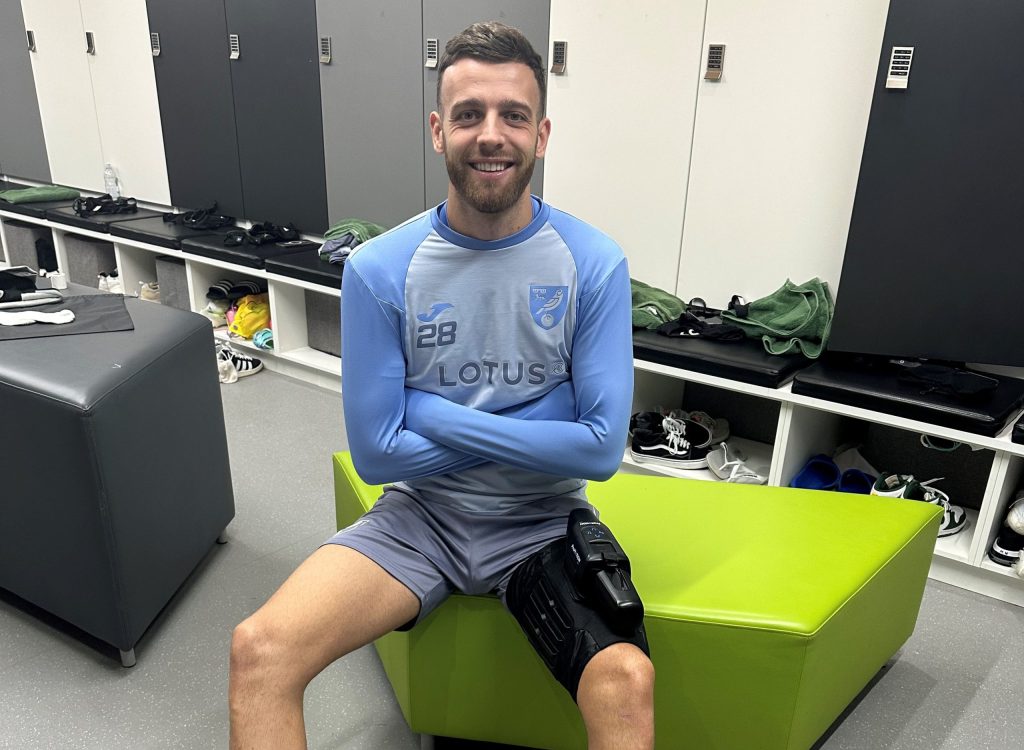
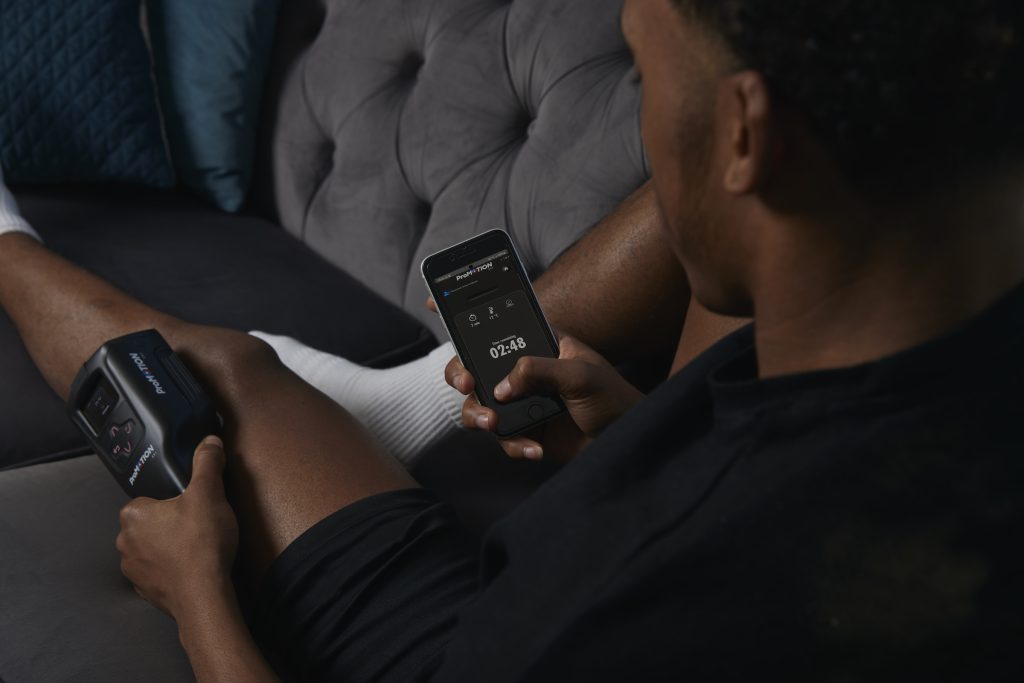
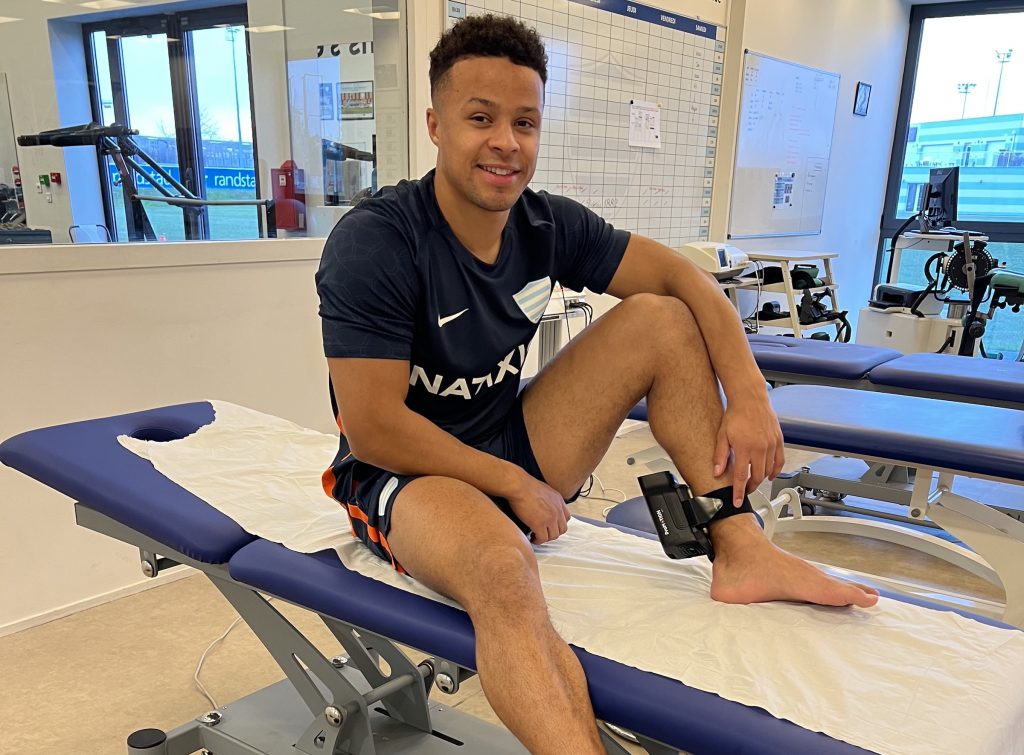
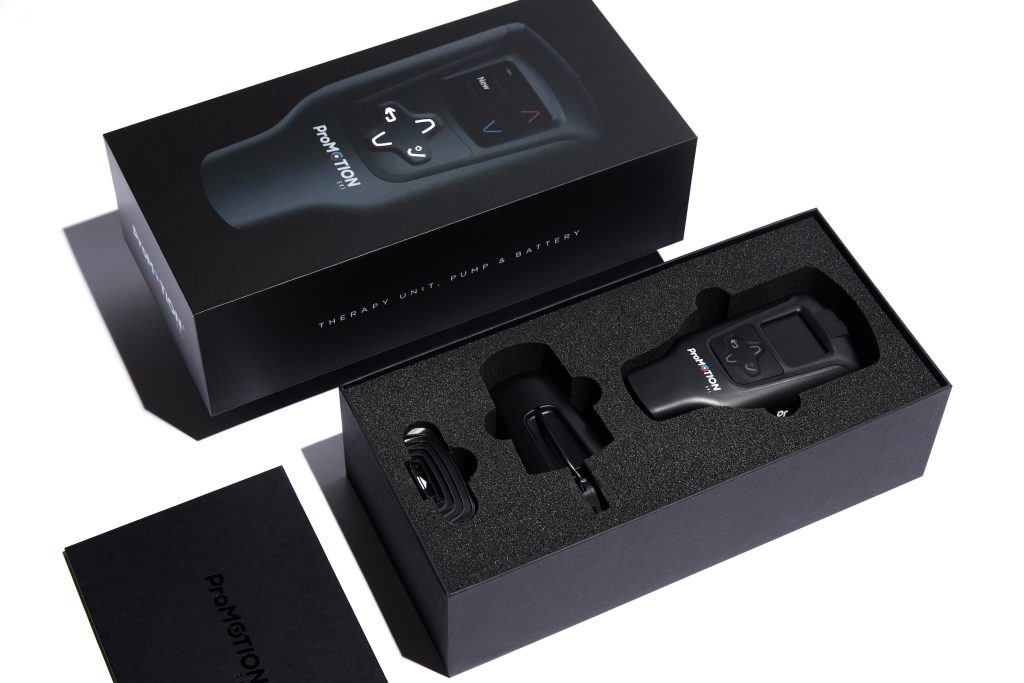
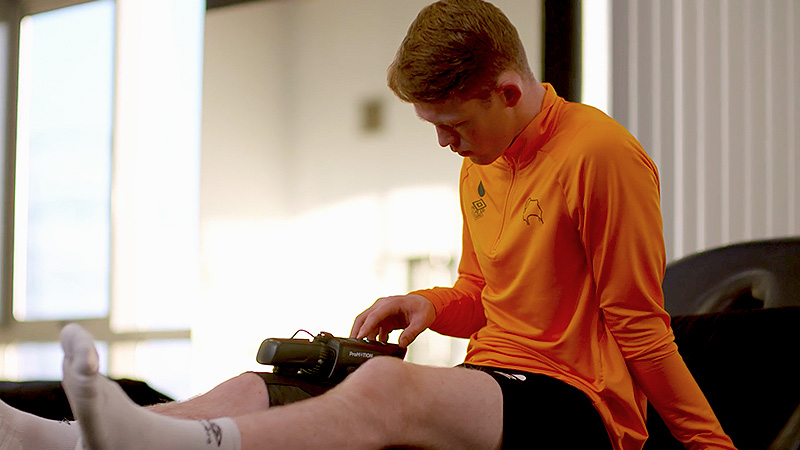
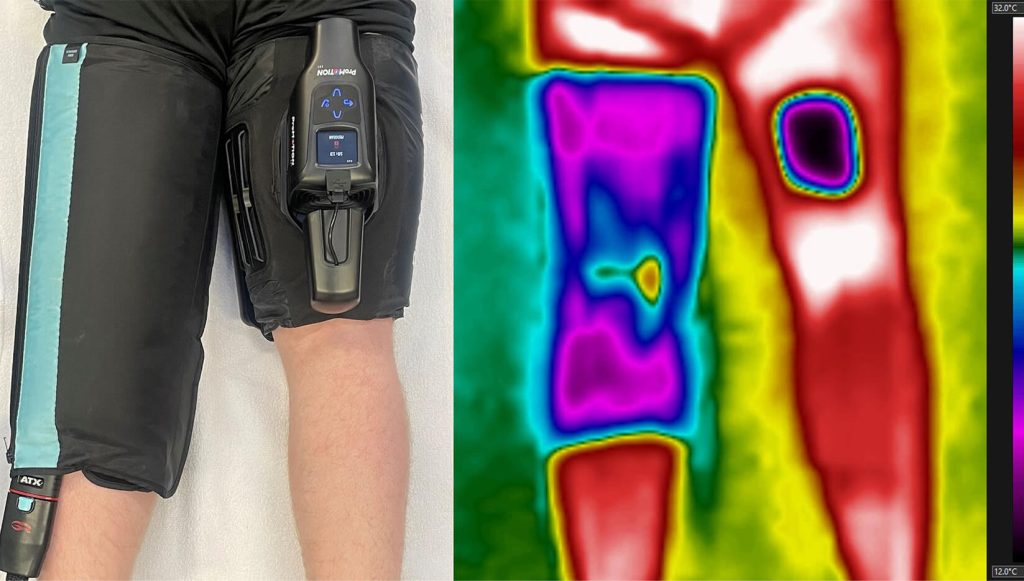
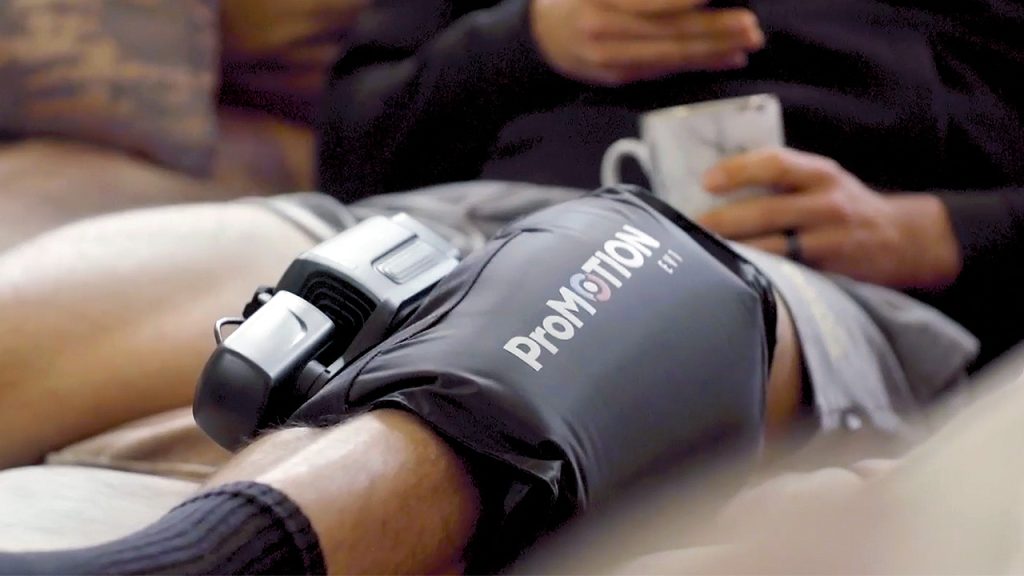
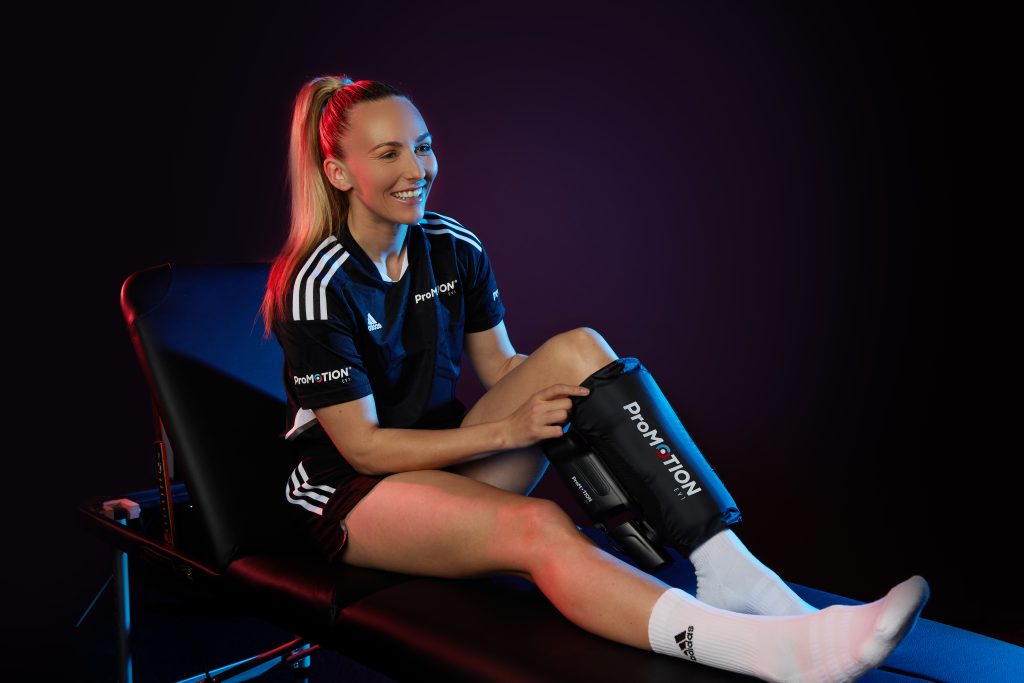
If you want to try a portable device for alternating heat, cold and compression, Swellaway's ProMOTION EV1 is designed for that use. Pricing depends on quantity, dates and delivery, so check Swellaway's website for current prices or a quote. Use the routine above as a starting point, and adjust it to how your muscles respond.
Frequently Asked Questions
Is it good to do contrast therapy after a workout?
For many people, contrast therapy after training can ease muscle soreness and make the next session feel more comfortable. The evidence on recovery benefits is mixed, though, and results vary with protocol and individual response. If your main goal is building muscle size, the timing matters more than most lifters expect, because cooling right after heavy lifting may blunt some of the adaptation signals. Start with a short, moderate session, pay attention to how your body responds, and check with a qualified professional if you have a medical condition or an injury.
How often should you do contrast therapy?
Most lifters who use contrast therapy do so two to three times per week, usually on harder training days or during periods of heavy volume. Doing it more often is not automatically better, and daily sessions can push the body toward excessive cooling and fatigue without clear added benefit. Build frequency gradually, track soreness and performance in your training log, and reduce or stop sessions if strength or motivation drops. How often to do contrast therapy should follow your training goal, not a fixed rule.
Can you overdo contrast therapy?
Yes. Long sessions, extreme temperature differences, and frequent use can cause skin irritation, dizziness, or excessive fatigue for some people. Stop immediately if you feel faint, numb, unusually cold, or experience chest discomfort. People with cardiovascular conditions, circulation problems, Raynaud's phenomenon, or who are pregnant should speak with a physician before trying it. Keep sessions within the duration you can comfortably manage and avoid using heat or cold directly on an open wound or a suspected fracture.