Table of Contents
- What Is Contrast Therapy and How Hot-Cold Exposure Works
- The Benefits of Contrast Therapy for Athletes
- Contrast Therapy Protocol for Athletes: Timing, Temperature, and Duration
- Contrast Therapy for Muscle Soreness: What the Evidence Shows
- Ice Baths for Athletes: How Cold Immersion Fits In
- Contrast Therapy Safety: Screening, Risks, and Adverse Effects
- Contrast Therapy vs. Active Recovery and Alternatives
- Conclusion
- Frequently Asked Questions
Last Updated: October 20, 2026
What Is Contrast Therapy and How Hot-Cold Exposure Works
Contrast therapy is the practice of alternating hot and cold exposure on soft tissue, typically through immersion or targeted application, to influence blood flow and recovery. This guide from Swellaway examines what the benefits of contrast therapy for athletes actually are, where the evidence is strong, and where it thins out. (Source: a review published in the Journal of Strength and Conditioning Research)
The mechanism is straightforward. Cold causes vasoconstriction, narrowing blood vessels and reducing local swelling. Heat causes vasodilation, widening them and increasing blood flow. Cycling between the two creates a vascular flush: tissue is flushed with fresh blood, then constricted again. Many sports medicine practitioners use this cycle to manage post-exercise soreness and joint stiffness.
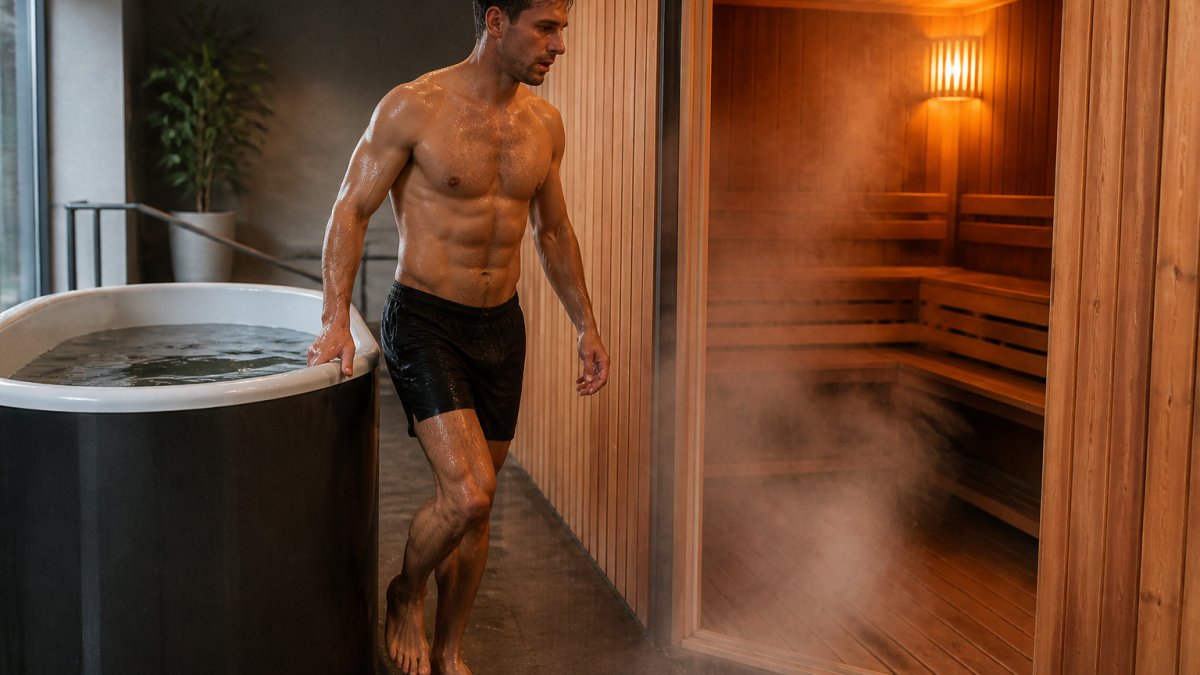
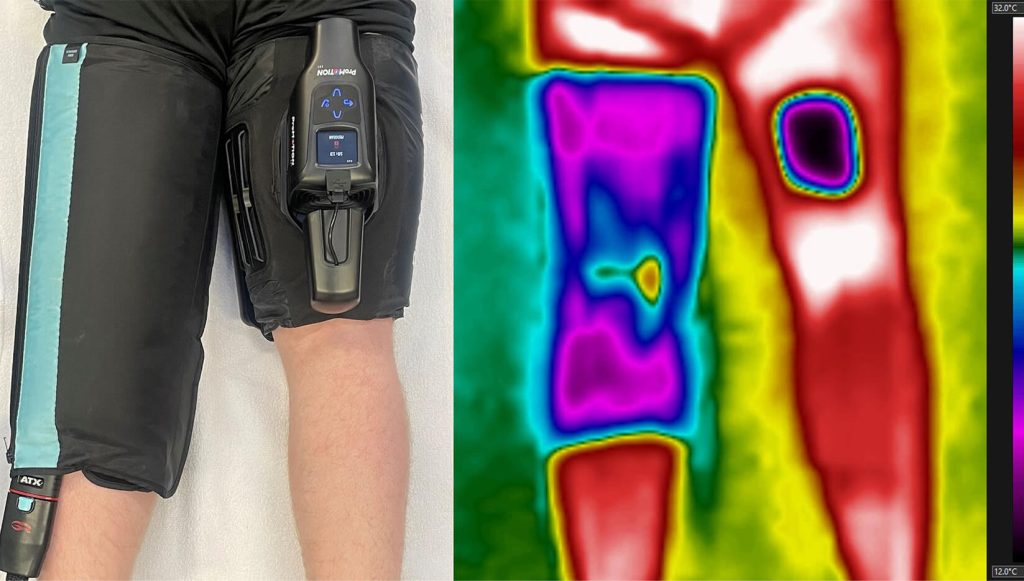
Two practical points matter before going further. First, contrast therapy is a recovery tool, not a treatment for structural injury; a suspected tear or fracture needs clinical assessment, not a plunge. Second, the modality can be delivered through full immersion or through targeted devices that apply controlled temperature and compression to one area, which matters for athletes managing a specific joint rather than whole-body fatigue.
The Benefits of Contrast Therapy for Athletes
The benefits of contrast therapy for athletes cluster into four areas: reduced muscle soreness, lower inflammation and swelling, improved circulation, and faster perceived recovery after intense training. Each has different levels of supporting evidence, and conflating them is where most recovery advice goes wrong.
Reduced Muscle Soreness and DOMS
Delayed-onset muscle soreness, or DOMS, is the stiffness and tenderness that peaks a day or two after unfamiliar or intense exercise. Contrast therapy for muscle soreness is most often used here, and the practical case is decent: alternating temperatures appears to reduce perceived soreness and improve range of motion in the days after training. What most guides miss is that perceived recovery and measured recovery are not the same thing. Athletes often feel better before objective markers such as strength output return to baseline.
Lower Inflammation and Swelling
Cold application constricts vessels and limits fluid accumulation, which is why cryotherapy is a standard response to bumps, bruising, and post-exercise swelling. Heat, applied after the acute window, supports blood flow to the area. Cycling the two is a common approach for managing swelling without leaving tissue cold for extended periods. This is where targeted devices earn their place: precise temperature control matters more than raw intensity when the goal is managing inflammation rather than shocking the system.
Improved Circulation and Blood Flow
The vascular response is the most defensible benefit. Alternating temperatures drives repeated vasoconstriction and vasodilation, and that cycle promotes blood flow through the treated tissue. Better circulation supports the delivery of oxygen and nutrients and the clearance of metabolic byproducts. For athletes dealing with muscle fatigue and joint stiffness, improved local blood flow is a reasonable, low-risk target.
Faster Recovery After Intense Training
Recovery time is the outcome athletes care about most, and here the honest answer is nuanced. Many athletes report feeling more training-ready after contrast protocols, and perceived recovery improves consistently in practice. Whether contrast therapy accelerates tissue healing itself is less settled. The distinction matters for anyone timing sessions around competition.
Contrast therapy reliably improves how recovered an athlete feels and how well tissue moves. Treat claims about accelerated tissue healing with more caution.
Contrast Therapy Protocol for Athletes: Timing, Temperature, and Duration
A practical contrast therapy protocol for athletes follows a simple ratio: roughly three to four minutes of heat, then one minute of cold, repeated three to five times, finishing on cold for a swollen or acutely irritated area and on heat for stiffness. Total session duration lands around 15 to 20 minutes. That framework is the consensus starting point, but the details that separate an effective protocol from a wasted one are temperature range, cycle count, and progression, and most guides leave those vague.
Temperature ranges. Warm water is typically 98-104°F (comfortably hot, not scalding). Cold water is typically 50-59°F (cold enough to provoke vasoconstriction but safe for most healthy athletes). Full-body cold plunge at 39-50°F is common in competition recovery settings but requires supervision and screening. For targeted devices, the same principles apply: heat in the 104-113°F range for superficial tissue, cold in the 50-59°F range, with the device controlling duration more precisely than a tub allows. These are starting ranges, not prescriptions, tolerance, body composition, and the tissue being treated all shift the right numbers, and a treating clinician should set the final figures.
Cycle count and progression. Beginners should start with three cycles (three to four minutes hot, one minute cold) and progress to five cycles over two to three weeks as tolerance improves. Finishing on cold is standard for acute swelling and post-competition recovery; finishing on heat is standard for stiffness and pre-session preparation. Do not extend cold intervals beyond one minute in full immersion without supervision, the goal is vascular cycling, not cold endurance.
Timing relative to training. This is the part competitors miss. Immediately after strength training, aggressive cold exposure may blunt some of the inflammatory signaling that drives adaptation. Many practitioners therefore reserve cold-dominant protocols for competition recovery and use contrast work on non-strength days or later in the day, at least six hours after a lifting session. For endurance athletes, contrast work after long efforts is less controversial because the adaptation target is cardiovascular, not hypertrophic.
| Goal | Heat:Cold Ratio | Session Length | Timing |
|---|---|---|---|
| Post-competition recovery | 3-4 min hot : 1 min cold | 15-20 min | Within a few hours |
| DOMS management | 3 min hot : 1 min cold | 12-16 min | Day after training |
| Joint stiffness | Heat-dominant | 10-15 min | Morning or pre-session |
| Acute swelling | Cold-dominant | 10-15 min | First 48 hours |
Log your protocol, temperature, cycle count, and how you feel 24 hours later, for two weeks before adjusting. Perceived recovery is a reliable guide for fine-tuning, even when objective markers lag.
Contrast Therapy for Muscle Soreness: What the Evidence Shows
The evidence for contrast therapy for muscle soreness is moderate but not overwhelming, and the quality of that evidence matters as much as the direction. Most studies are small, use varied protocols (different temperatures, ratios, and cycle counts), and rely heavily on subjective outcomes like perceived soreness scales rather than objective markers like strength output or creatine kinase levels.
What the research supports. Compared with passive rest, contrast therapy generally produces small improvements in perceived soreness and range of motion in the 24-72 hours after intense exercise. Comparisons against active recovery are less clear-cut, and several studies find no meaningful difference between contrast therapy and low-intensity cycling or swimming for soreness outcomes. The strongest signal is for perceived recovery, how ready an athlete feels to train again, which is a real outcome, just not the same as tissue repair.
What the research does not support. Claims that contrast therapy accelerates tissue healing, reduces injury risk, or improves long-term performance are not well-supported by current evidence. The mechanism (vascular cycling) is plausible and the short-term relief is real, but the leap from "feels better" to "heals faster" is where most recovery marketing goes wrong. A common pattern in the literature is that subjective improvements outpace objective ones, athletes feel recovered before strength and range of motion return to baseline.
The training-adaptation caveat. This is the gap most guides miss. Cold exposure immediately after strength training may blunt some of the inflammatory signaling that drives muscle hypertrophy and strength adaptation. The evidence is not definitive, but it is consistent enough that many practitioners recommend separating cold-dominant protocols from lifting sessions by at least six hours, or reserving them for competition recovery rather than routine post-workout use.
Setting expectations honestly. Contrast therapy is not a substitute for loading, sleep, and nutrition. Recovery is a system, and temperature work is one input. A common mistake is treating a plunge as permission to skip the fundamentals. The athletes who get the most from contrast work use it as a targeted tool for soreness and stiffness, not as a standalone recovery strategy.
Using contrast therapy to mask soreness and returning to full training load before strength and range of motion return to baseline raises reinjury risk. Soreness relief is not clearance to train.
Ice Baths for Athletes: How Cold Immersion Fits In
Ice baths for athletes are the cold half of the contrast equation, and they are the most over-applied recovery tool in sport. Cold-water immersion reliably reduces perceived soreness and helps manage acute swelling. It is also the intervention most likely to interfere with strength adaptation when used immediately after resistance training.
The sensible rule: use cold-water immersion for competition recovery, for acute soft-tissue irritation, and for managing swelling. Be more selective about using it directly after hypertrophy or strength sessions. Where full immersion is impractical, targeted cryotherapy devices apply the same cold principle to a specific area with more control over temperature and duration.
Contrast Therapy Safety: Screening, Risks, and Adverse Effects
Contrast therapy safety starts with screening. Cardiovascular conditions, uncontrolled blood pressure, impaired circulation, peripheral neuropathy, and pregnancy warrant clinical clearance before temperature cycling. So does any open wound, acute infection, or recent surgery site.
Adverse effects are usually mild: discomfort, transient numbness, and skin irritation in people sensitive to cold. Serious events are rare but real, which is why supervision matters for full immersion and why devices with precise temperature control reduce the guesswork. Anyone with a diagnosed condition should confirm suitability with a qualified clinician rather than relying on general guidance.
Contrast Therapy vs. Active Recovery and Alternatives
Contrast therapy versus active recovery is not a contest with a single winner. Easy movement, cycling, swimming, and mobility work support circulation and clearance without the thermal stress, and they carry almost no risk. Compression garments and elevation help with swelling. Sleep and protein intake do more for tissue repair than any temperature protocol.
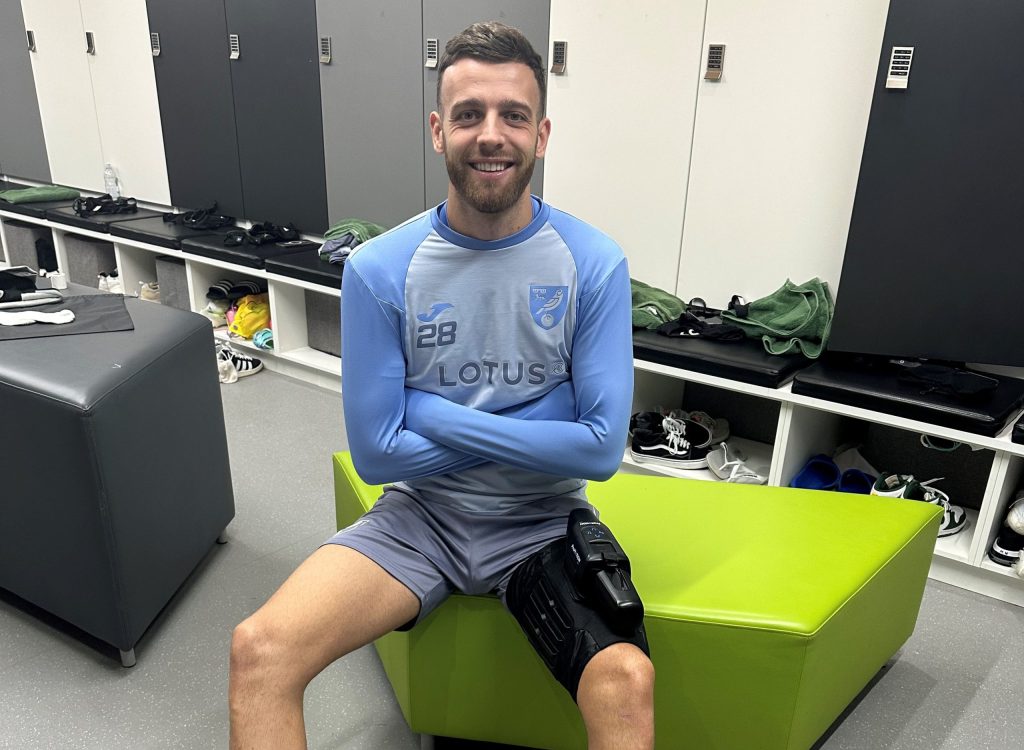
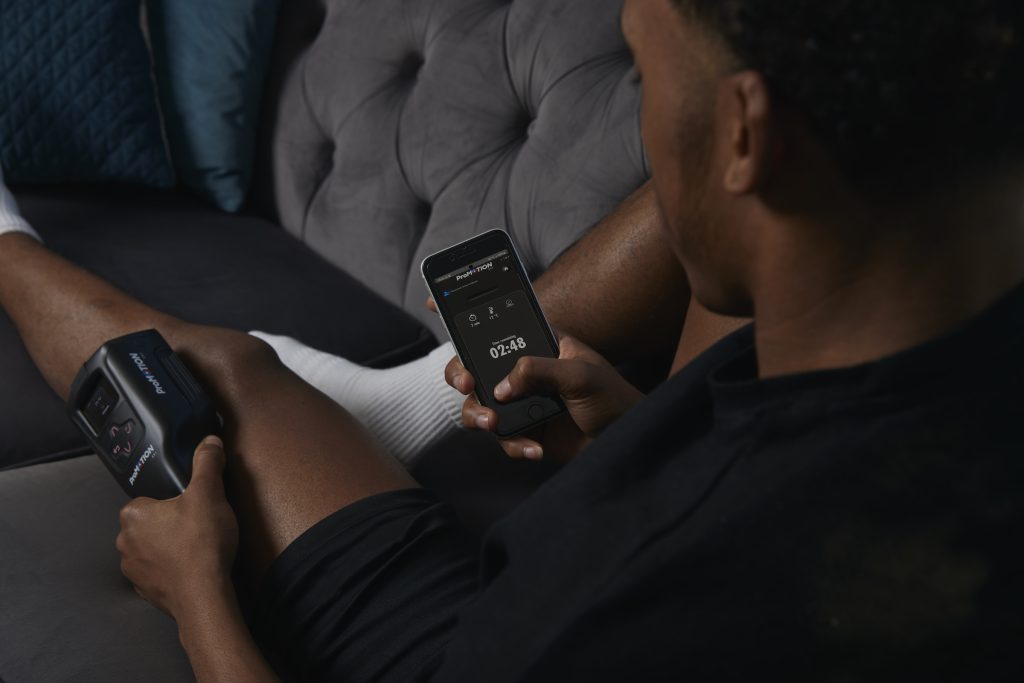
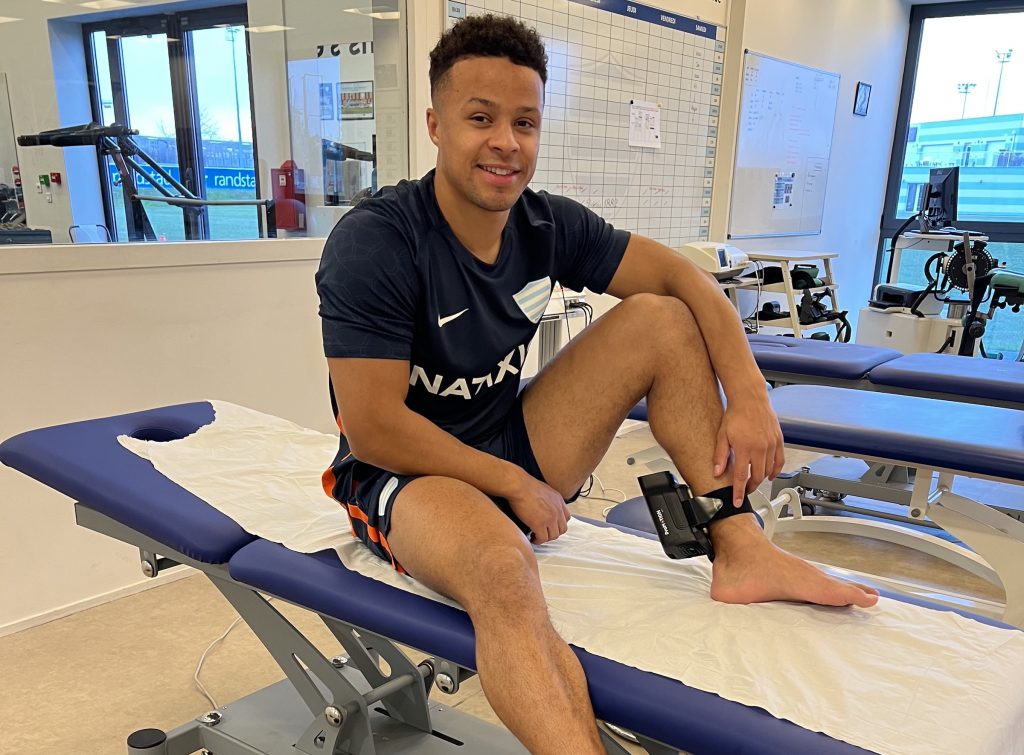
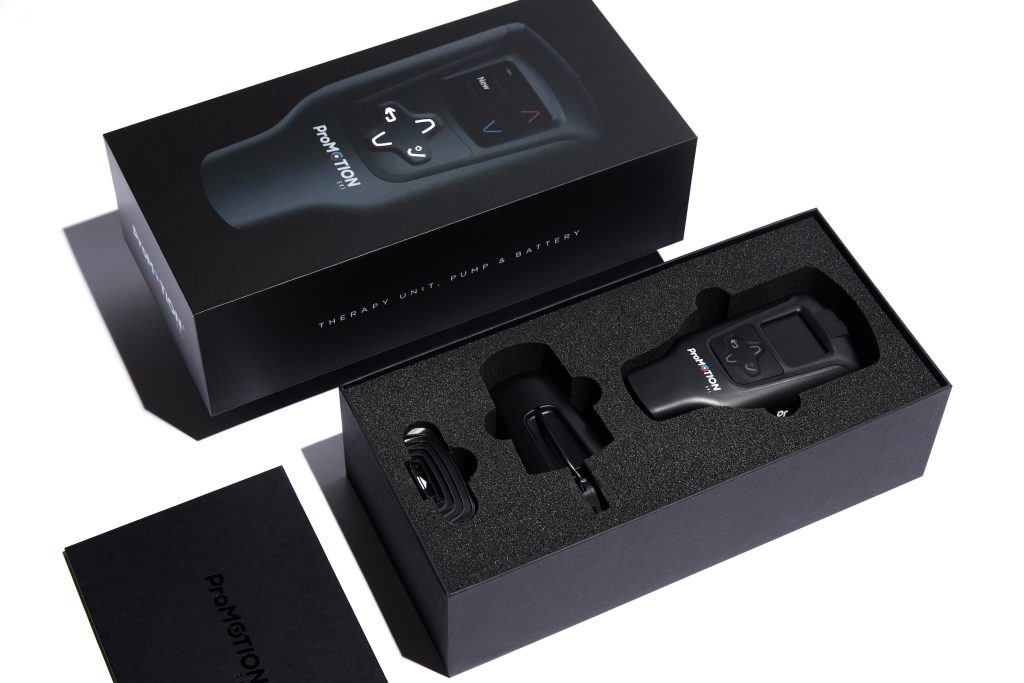
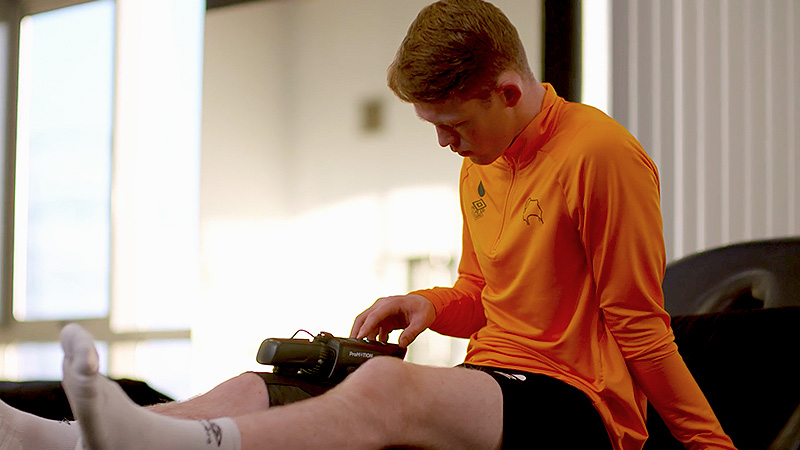
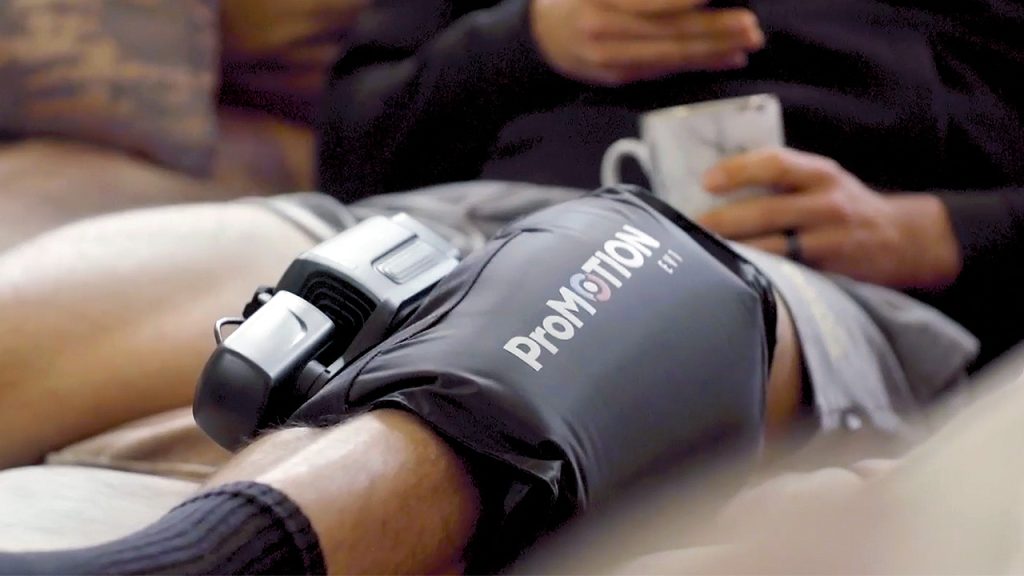
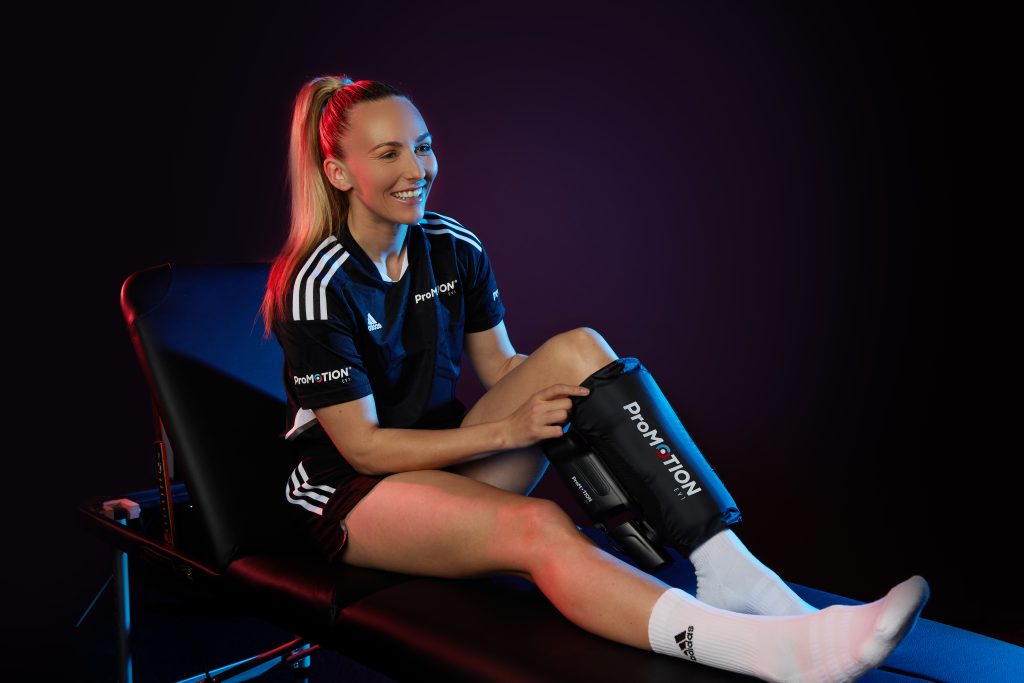
The practical answer is sequencing rather than choosing. Use active recovery as the default, add contrast therapy when soreness or swelling is the limiting factor, and use targeted devices when a specific joint needs precise temperature and compression rather than whole-body immersion. Swellaway's ProMOTION EV1 combines cryotherapy, heat therapy, and compression in one cordless unit, which suits athletes and clinicians who need controlled application to a single area rather than a full plunge setup.
Conclusion
The benefits of contrast therapy for athletes are real but specific: better perceived recovery, reduced soreness, less swelling, and improved local circulation. The evidence is strongest for how athletes feel and move, weaker for claims about accelerated tissue healing. Athletes and clinicians get the most from contrast work by timing it around training goals, screening for contraindications, and pairing it with active recovery rather than treating it as a standalone fix.
Frequently Asked Questions
Does contrast therapy really work for athletes?
Research suggests contrast therapy can help reduce perceived muscle soreness and improve recovery time after intense exercise. A 2016 review found that alternating hot and cold water immersion may reduce DOMS and swelling compared with passive rest. However, evidence quality varies, and results depend on protocol details like temperature, duration, and timing. Many athletes use it as part of a broader recovery routine that includes sleep, nutrition, and active recovery.
How often should you do contrast therapy?
Most protocols recommend contrast therapy after intense training sessions or competitions, typically 3-5 times per week during heavy training blocks. Some athletes use it daily during tournaments. Avoid using it immediately before strength training if muscle adaptation is a goal, as cold exposure may blunt anabolic signaling. A qualified sports medicine professional can help tailor frequency to your schedule and goals.
Can contrast therapy reduce muscle soreness after exercise?
Yes, many athletes report reduced muscle soreness and improved perceived recovery after contrast therapy. The alternating vasoconstriction and vasodilation may help flush metabolic waste and reduce swelling. A 2015 study on team-sport athletes found contrast water therapy reduced DOMS compared with passive recovery. Effects are modest but meaningful for athletes managing high training volumes.
Is contrast therapy safe for everyone?
Contrast therapy is generally safe for healthy athletes, but certain conditions require caution. People with cardiovascular disease, uncontrolled hypertension, peripheral vascular disease, or open wounds should consult a physician before use. Pregnant individuals and those with impaired temperature sensation should also seek medical advice. Always monitor skin for excessive redness or numbness and keep session durations within recommended limits.