Table of Contents
- How Natural Methods Support Tissue Regeneration and Cellular Repair
- 1. Anti-Inflammatory Nutrition: Protein Synthesis, Collagen Production, and Micronutrients
- 2. Restorative Sleep and Active Recovery for Metabolic Recovery
- 3. Targeted Cryotherapy, Heat Therapy, and Compression for Blood Flow Circulation
- 5. Understanding Recovery Time for Soft Tissue Injuries: Age-Specific and Injury-Specific Protocols
- Portable Therapy Devices for Injury Recovery: Home-Based Accessibility
- Psychological Recovery: The Overlooked Factor in Healing After Injury
- Frequently Asked Questions
Last Updated: October 2, 2026
How Natural Methods Support Tissue Regeneration and Cellular Repair
The body already knows how to heal: a soft tissue injury triggers its own repair process, but that process runs faster when the right conditions are in place. Natural methods support it by improving blood flow, lowering inflammation, and giving cells the raw material to rebuild. This guide from Swellaway breaks down 5 natural ways to accelerate healing after injury, from food and sleep to light movement and home-based therapy tools. (Source: National Institutes of Health (NIH) on vitamin C's role in collagen synthesis)
Most people treat recovery as a waiting game: rest, ice, hope. In practice, the choices made in the first two weeks shape how quickly someone returns to normal. Recovery is not passive, it responds to what you eat, how you sleep, and how you move.
The Four Phases of Soft Tissue Healing
Soft tissue healing moves through four overlapping stages, and each one responds to different inputs.
- Bleeding and clotting happens within minutes of the injury.
- Inflammation peaks in the first few days and signals repair cells to the site.
- Proliferation builds new tissue and collagen over the following weeks.
- Remodeling strengthens and reorganizes that tissue for months.
The same method can help in one stage and hurt in another, aggressive stretching too early, for example, disrupts tissue still being rebuilt.
1. Anti-Inflammatory Nutrition: Protein Synthesis, Collagen Production, and Micronutrients
Food is the raw material for tissue regeneration, and most recovery diets fall short on protein. The body needs steady protein intake to fuel protein synthesis, which rebuilds damaged muscle and connective tissue. A common mistake is eating well for two days, then drifting back to normal habits while the injury is still repairing.
Collagen production depends on vitamin C, which the body cannot make on its own. Citrus, bell peppers, and berries cover that need easily.
Omega-3 Fatty Acids and Vitamin C for Inflammation Management
Inflammation is not the enemy. It is a necessary signal. The goal is inflammation management, not elimination. Omega-3 fatty acids, found in fatty fish, walnuts, and flaxseed, help keep that response in a useful range rather than letting it run long.
A practical plate during recovery looks like this:
- Protein at every meal: eggs, chicken, fish, beans, or dairy
- Vitamin C sources: oranges, peppers, strawberries, broccoli
- Omega-3 sources: salmon, sardines, chia, walnuts
- Color from vegetables for micronutrients and antioxidants
Many people also fall short on magnesium, which supports muscle function and sleep. Nuts, seeds, and leafy greens are simple sources.
2. Restorative Sleep and Active Recovery for Metabolic Recovery
Sleep is when the body does its heaviest repair work: growth hormone release peaks during deep sleep, driving tissue rebuilding (Complex relationship between growth hormone and sleep in children). Cutting sleep to fit more into the day slows metabolic recovery and stretches out the timeline.
Active recovery matters too, but it looks nothing like training. Gentle movement, such as walking or easy cycling, keeps blood flow circulation moving without stressing the injured area.
What most guides miss is that complete rest backfires: total immobilization lets stiffness set in and slows the return of normal function. The trick is finding the line between useful movement and re-injury.
A simple rule: if movement increases pain during the activity or the next morning, it was too much. Scale back and try again the following day.
3. Targeted Cryotherapy, Heat Therapy, and Compression for Blood Flow Circulation
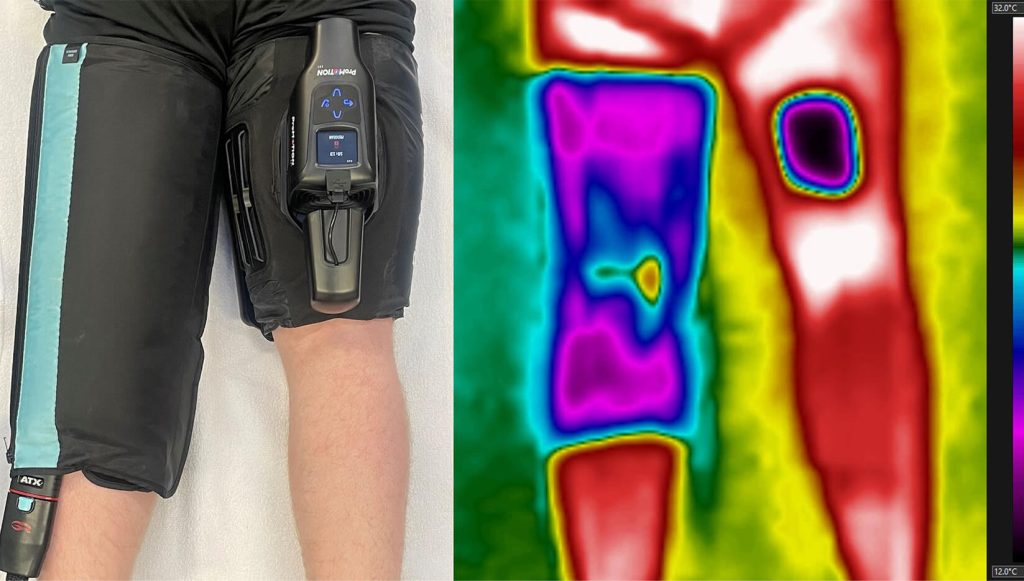
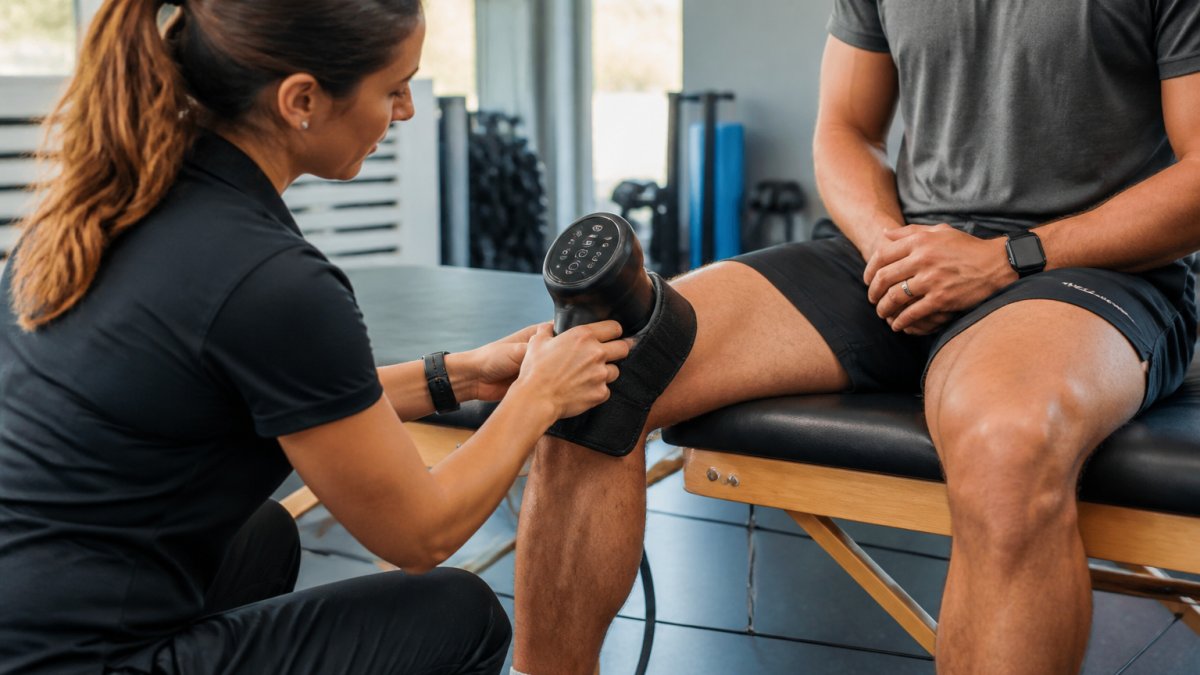
Cold, heat, and compression each do a different job, and timing decides which one helps. Cryotherapy narrows blood vessels to calm acute swelling and soreness; heat opens them to bring oxygen and nutrients into healing tissue; compression supports circulation and manages swelling without drugs.
(/how-to-speed-up-ankle-sprain-recovery/) comes down to graded movement, not rest. An ankle sprain is the most common soft tissue injury, and the rehab that works is boring and consistent.
Start with pain-free range of motion, then add strength, then balance. Each stage prepares the tissue for the next.
- Days 1-3: Gentle range of motion, ankle circles, and protected walking
- Days 4-14: Resistance band work and controlled weight bearing
- Weeks 2-6: Balance drills, single-leg stands, and light hopping
- Weeks 6+: Sport-specific movement and injury prevention work
Mobility training restores joint range while rehabilitation rebuilds strength around the joint. Skipping balance work is the most common reason people re-sprain the same ankle.
Returning to sport before balance and strength are restored raises the risk of re-injury. The ankle may feel fine while still being unstable under load.
5. Understanding Recovery Time for Soft Tissue Injuries: Age-Specific and Injury-Specific Protocols
Most recovery guides hand out a single timeline and call it done, the fastest way to frustrate a 58-year-old with a torn calf and a 19-year-old with the same injury, because their bodies run on different repair schedules. Recovery time for soft tissue injuries depends on two variables most timelines ignore: the tissue damaged and the age of the person healing it.
Why Tissue Type Sets the Floor on Recovery Time
Different soft tissues have different blood supplies, and blood supply determines how fast repair cells and raw materials reach the injury site.
- Muscle strains have a rich blood supply, so they tend to heal fastest. A mild (grade I) strain, a moderate (grade II) strain, and a severe (grade III) tear each have different recovery timelines, with severe tears sometimes requiring surgical repair.
- Ligament sprains heal more slowly because ligaments are poorly vascularized. A grade I ankle sprain, a grade II, and a grade III each have different recovery timelines before return to sport.
- Tendon injuries are the slowest of the three. Tendons have very limited blood flow, and collagen remodeling continues for months after pain resolves. A typical tendinopathy protocol involves progressive loading before meaningful strength returns, and full remodeling can take months.
- Bone injuries (stress reactions and fractures) follow their own schedule, typically 6-8 weeks for early healing in a healthy adult, with full remodeling over 3-6 months, and require load management rather than the soft-tissue protocols above.
A common mistake is treating all soft tissue the same. A muscle strain tolerates early loading well; a ligament sprain does not. Matching the protocol to the tissue is the single biggest lever on recovery time.
How Age Changes the Repair Schedule
Age slows recovery through three mechanisms: reduced blood flow to peripheral tissue, slower collagen turnover, and lower circulating growth hormone and sex hormones that drive tissue rebuilding. Older adults do not heal badly, they heal on a longer curve and respond differently to the same inputs.
A practical way to segment the advice:
- Under 30: Repair capacity is high, but the risk is overconfidence. Younger athletes often return to load before tissue has remodeled, which is why re-injury rates are highest in this group. The fix is holding the line on the balance and strength stages even when pain is gone.
- 30-50: Recovery is still efficient, but sleep quality and protein intake start to matter more. Most people in this range need to be more deliberate about hitting protein targets and protecting 7-9 hours of sleep, because the margin for error narrows.
- 50+: Blood flow, collagen synthesis, and hormone levels have all declined. Older adults benefit from longer warm-ups before activity, higher protein intake per meal to overcome anabolic resistance, extra attention to sleep, and more gradual progression between rehab stages. Adding a week to each stage is often the difference between a clean recovery and a re-injury.
Putting Age and Tissue Together
The two variables compound: a grade II ankle sprain in a younger individual might return to sport faster than the same sprain in an older individual. Balance work matters more, not less, because proprioception declines with age.
The takeaway is that generic timelines mislead in both directions. A protocol matched to age and tissue type beats a one-size-fits-all plan every time, and the older the patient, the more the plan should prioritize protein, sleep, and gradual progression over speed.
If you are unsure which category you fall into, a physical therapist can grade the injury and build a timeline around your age, tissue type, and baseline strength, worth more than any generic 6-week chart.
Portable Therapy Devices for Injury Recovery: Home-Based Accessibility
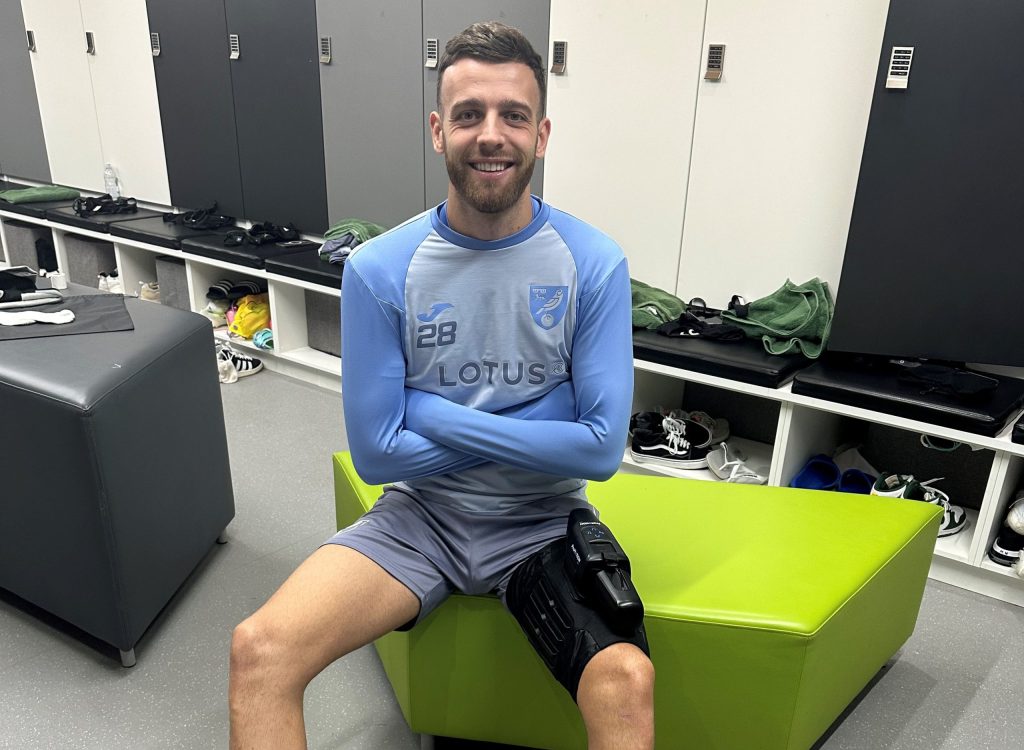
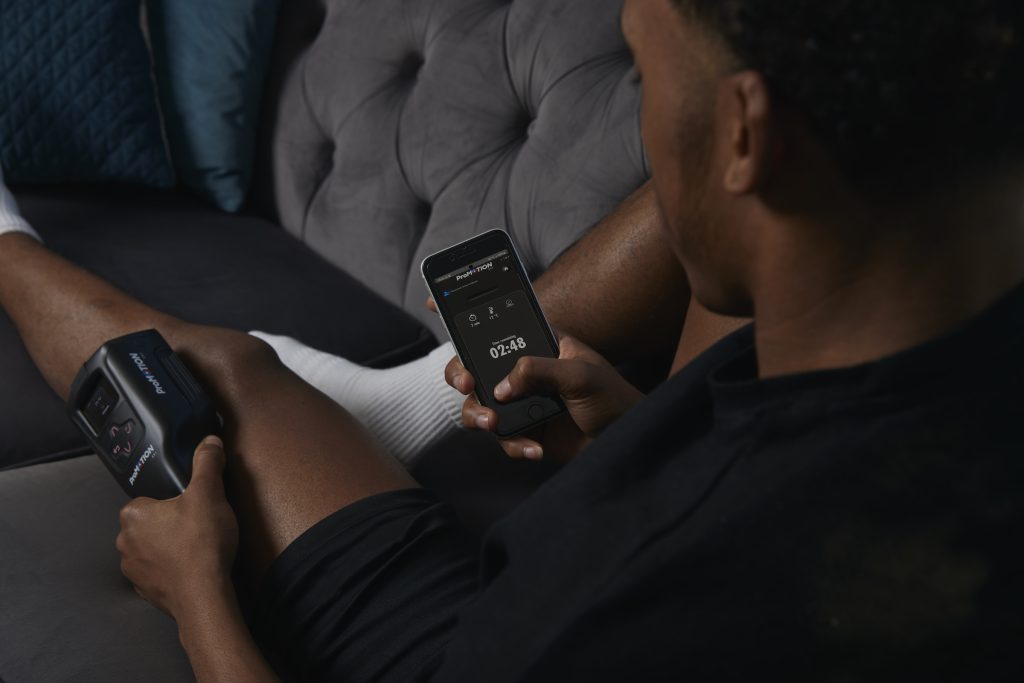
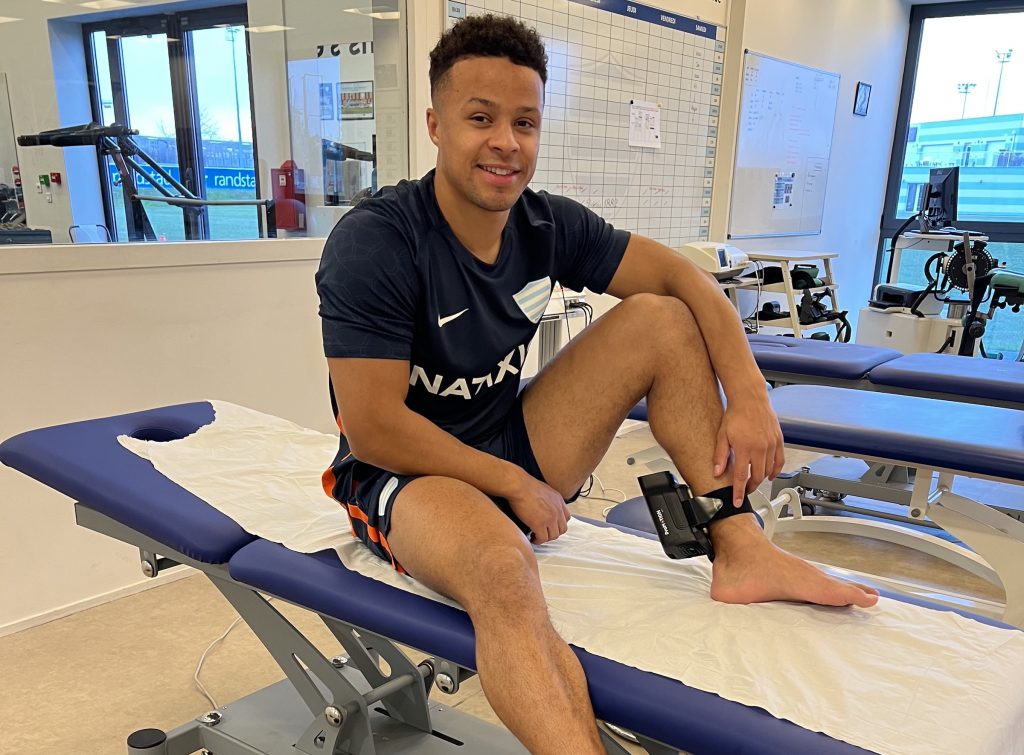
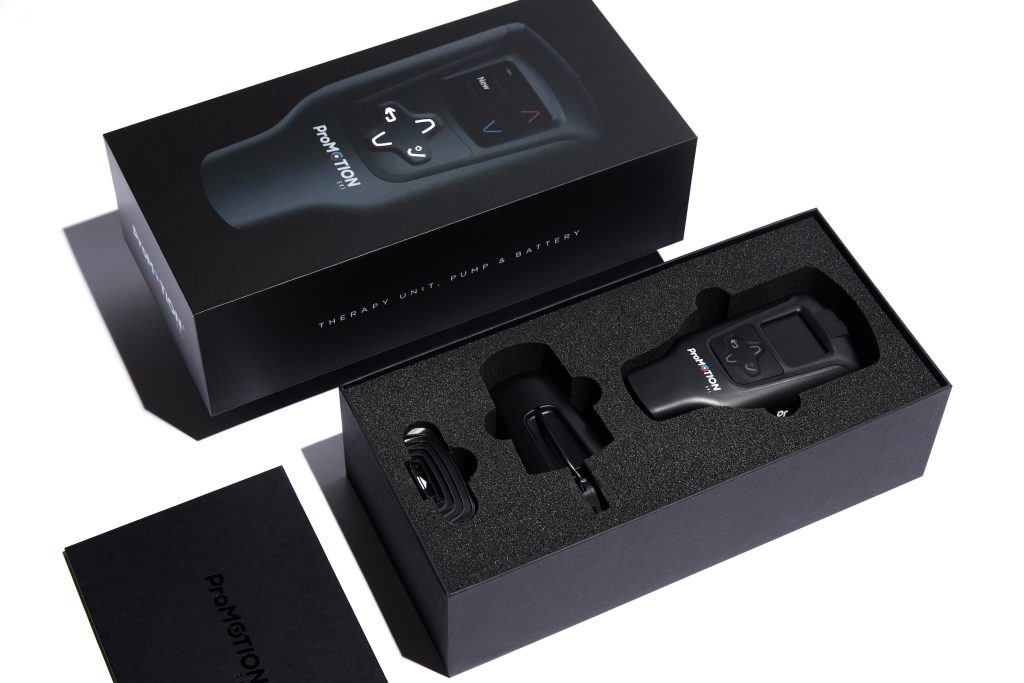
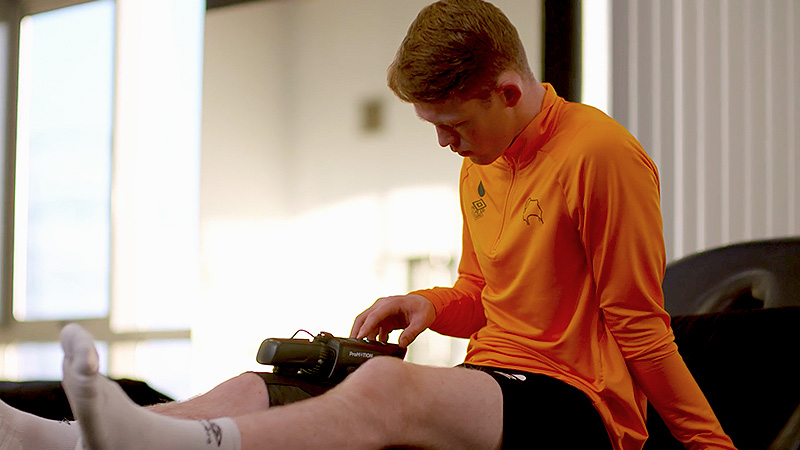
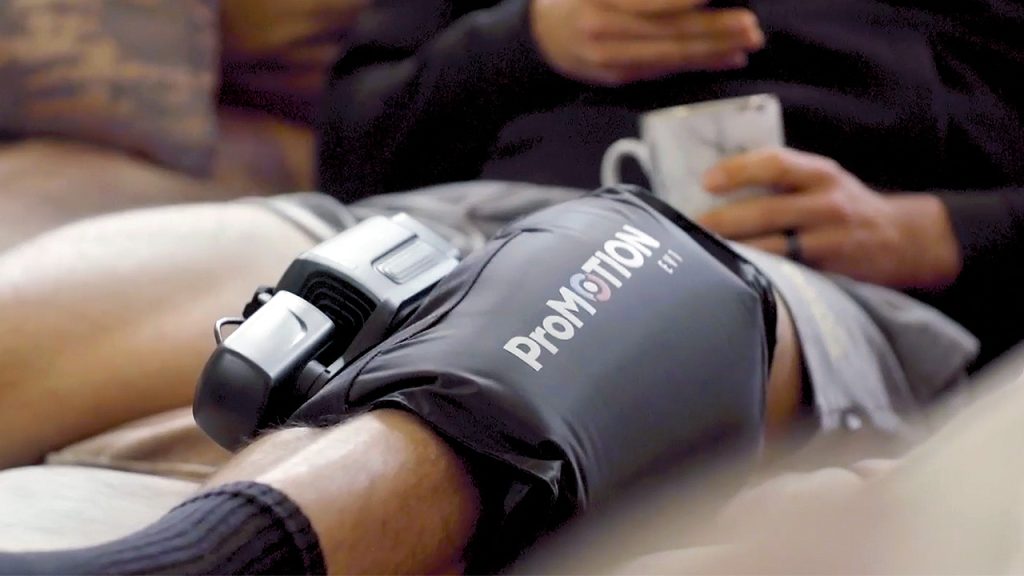
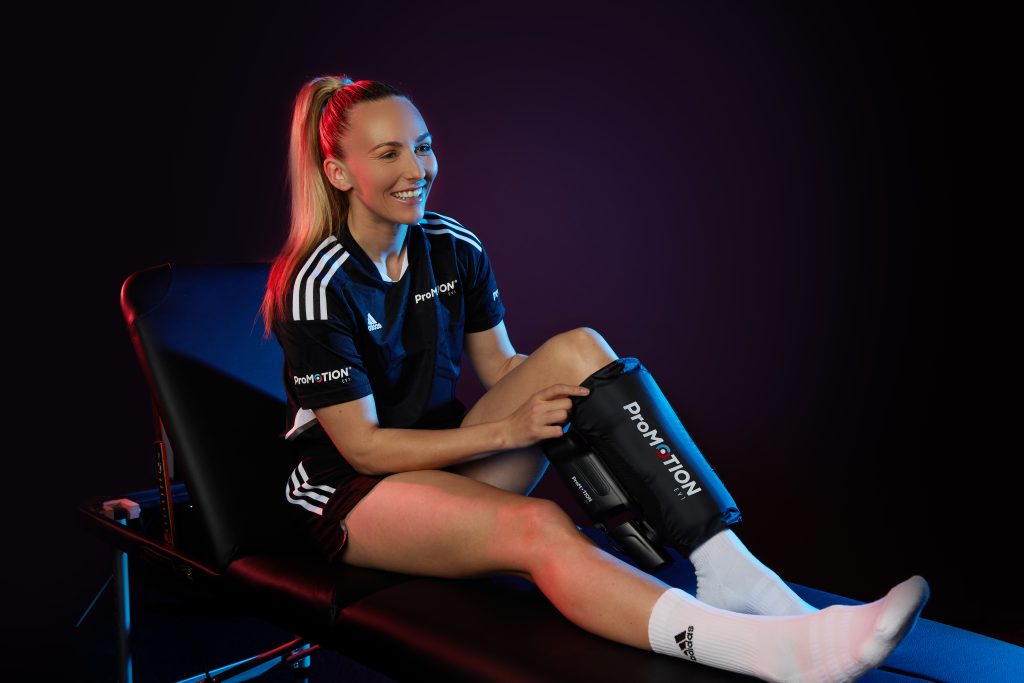
Portable therapy devices for injury recovery close the gap between clinic treatment and home. Consistency drives outcomes, and consistency is hard when the only treatment option lives in a physiotherapy office.
Cordless, multi-therapy units let patients keep a treatment schedule without scheduling appointments around it.
The honest limitation is that no device replaces proper rehabilitation. Tools support a plan. They do not substitute for one.
Psychological Recovery: The Overlooked Factor in Healing After Injury
Almost every recovery guide focuses on tissue, and almost none address the fact that injury is also a psychological event that directly affects how fast the body repairs. This gap matters because the mechanisms are well documented.
How Stress and Fear Slow Physical Healing
The link between mind and tissue repair runs through concrete pathways:
- Cortisol. Sustained psychological stress raises cortisol, which suppresses immune function, interferes with collagen synthesis, and disrupts sleep architecture. Since deep sleep is when growth hormone peaks, chronic stress effectively steals the body's main repair window.
- Sleep disruption. Anxiety before bed delays sleep onset and fragments deep sleep. The result is less growth hormone release, slower tissue rebuilding, and a longer recovery curve, even when nutrition and rehab are on point.
- Fear of re-injury. Kinesiophobia (fear of movement after injury) is a well-recognized barrier to rehab adherence. People who are afraid to load the injured area skip the very exercises that restore strength, which prolongs recovery and raises re-injury risk.
- Motivation collapse. Recovery is boring and slow. When progress is invisible, adherence drops, and the plan that worked on paper stops being followed in practice.
A common pattern: a patient does everything right for two weeks, hits a plateau, and quietly stops the rehab. The tissue was ready; the psychology was not.
Concrete Tools That Actually Help
Psychological recovery is not about positive thinking. It is about reducing uncertainty and making progress visible. Specific tools that practitioners commonly recommend:
- Set weekly process goals, not outcome goals. "Walk 10 minutes pain-free" is actionable. "Be healed in 6 weeks" is not, and it feeds anxiety when the timeline slips.
- Track progress in writing. A simple log of pain level, range of motion, and activity gives slow gains a shape. Visible progress is the strongest antidote to the feeling that nothing is working.
- Get a clear, written rehab plan from a physical therapist. Uncertainty feeds anxiety more than pain does. Knowing exactly what is safe, what is not, and what the next stage looks like removes most of the fear driving kinesiophobia.
- Use graded exposure for feared movements. Instead of avoiding the movement that scares you, break it into smaller steps and progress through them with professional guidance.
- Protect sleep deliberately. A consistent bedtime, limited screens before bed, and a cool dark room are not luxuries during recovery, they are part of the treatment.
- Talk to someone. A physical therapist, a sports psychologist, or a trusted training partner can normalize the frustration and keep adherence from slipping.
A simple weekly check-in: write down one thing that improved, one thing that is still hard, and one goal for next week. Three lines, once a week, keeps the psychological side of recovery from quietly derailing the physical one.
Why This Belongs in a Recovery Plan
Patients who understand their recovery plan and believe it is working tend to stick with it, and that consistency, more than any single method, shortens the road back.
The 5 natural ways to accelerate healing after injury work best together: eat for repair, sleep for rebuilding, use cold, heat, and compression correctly, move with purpose, match the plan to age and injury type, and treat the mental side as part of the protocol rather than an afterthought.
Frequently Asked Questions
What natural methods are proven to speed up injury recovery?
Research supports several approaches: anti-inflammatory nutrition rich in omega-3 fatty acids, vitamin C, and magnesium supplementation; restorative sleep for tissue regeneration; targeted cryotherapy and heat therapy for blood flow circulation; active recovery and mobility training; and psychological recovery strategies. These methods support cellular repair, protein synthesis, and metabolic recovery. Always consult a healthcare professional before starting any recovery protocol, especially after surgery or severe injury.
How long does it typically take for soft tissue injuries to heal?
Recovery time for soft tissue injuries varies by severity and location. Mild strains, moderate injuries, and severe injuries or post-surgical cases each have varying recovery times. Age, nutrition, sleep quality, and adherence to rehabilitation protocols all influence recovery kinetics. A qualified physiotherapist can provide a personalized timeline based on your specific injury and health status.
Can portable therapy devices really help with injury recovery at home?
Portable therapy devices for injury recovery, like those combining cryotherapy, heat therapy, and compression, can support rehabilitation outside clinical settings. They offer targeted therapy application with precise temperature and compression control, allowing consistent treatment between physiotherapy sessions. While they do not replace professional care, they can help manage muscle soreness, reduce swelling, and support blood flow circulation. Discuss device use with your healthcare provider to ensure it fits your recovery plan.
What role does nutrition play in accelerating post-injury recovery?
Nutrition directly supports tissue regeneration and cellular repair. Adequate protein intake fuels protein synthesis and collagen production. Omega-3 fatty acids help manage inflammation, while vitamin C supports wound healing and tissue remodeling. Magnesium supplementation aids muscle function and restorative sleep. An anti-inflammatory diet rich in micronutrients can address nutrient deficiencies and support metabolic health. Consult a registered dietitian for personalized guidance during recovery.