Table of Contents
- Understanding Soft Tissue Injuries and the Healing Process
- Soft Tissue Injury Recovery Timeline: What to Expect
- When to See a Doctor for a Muscle Strain or Soft Tissue Injury
- How to Reduce Swelling After an Injury: Immediate Care Steps
- Benefits of Compression Therapy for Injuries and Recovery
- Conservative Home Treatment and Progressive Rehabilitation
- Functional Recovery and Return-to-Activity Testing
- Conclusion
Last Updated: August 30, 2026
Understanding Soft Tissue Injuries and the Healing Process
Soft tissue injuries involve damage to muscles, tendons, ligaments, or connective tissue from trauma, overuse, or sudden movement. When tissue is damaged, your body initiates an immediate inflammatory response: blood vessels dilate, fluid accumulates, and immune cells rush to the site. This inflammation, while uncomfortable, is your body's healing mechanism at work.
Common types of soft tissue injuries
Sprains occur when ligaments are stretched or torn, such as an ankle sprain from unexpected inversion. Strains affect muscles and tendons, ranging from minor pulls to complete tears. Contusions are bruises caused by blunt force trauma. Other common injuries include tendinitis, bursitis, and muscle tears. Severity varies widely; some injuries heal in days, others require weeks or months.
How inflammation and swelling develop
Immediately after injury, chemical messengers trigger blood vessels to become more permeable, causing plasma to leak into surrounding tissue and create visible swelling. This inflammatory response peaks within 24-72 hours (peer-reviewed research). While inflammation is necessary for healing, excessive swelling can impair movement and prolong recovery if unmanaged. The inflammatory cascade involves neutrophils and macrophages clearing debris, followed by growth factors and cytokines signaling tissue repair.
Soft Tissue Injury Recovery Timeline: What to Expect
Recovery follows a predictable but individual timeline, depending on injury severity, age, overall health, and management approach.
Acute phase (first 72 hours)
The first three days are critical. Your primary goal is to minimize additional damage and control inflammation. Pain is typically most severe, and swelling increases progressively. Rest from the aggravating activity is essential; premature loading can convert a minor injury into a serious one. The RICE principle (Rest, Ice, Compression, Elevation) becomes most relevant during this window.
Subacute phase (3 days to 3 weeks)
As swelling stabilizes and acute pain decreases, gentle range of motion exercises become appropriate. Your body actively repairs damaged tissue, laying down new collagen fibers. Pain should gradually decrease with activity, though some discomfort is normal. Physical therapy emphasizes restoring range of motion and preventing muscle atrophy while managing load appropriately.
Remodeling phase (3 weeks onward)
This phase can last weeks to months depending on severity. Newly formed tissue continues to strengthen as collagen fibers align with loading forces. Progressive strengthening exercises become the focus. Return-to-activity testing helps determine readiness for full participation, assessing strength, stability, proprioception, and confidence in the injured area.
When to See a Doctor for a Muscle Strain or Soft Tissue Injury
Seek immediate medical attention if you suspect a complete tear, experience severe pain unresponsive to basic care, notice significant deformity, or have numbness or tingling suggesting nerve involvement. See a doctor if swelling doesn't improve within 48 hours despite conservative care, if you cannot bear weight on an injured leg, or if the injury affects basic daily activities. For injuries not improving within 2-3 weeks of home management, professional assessment rules out serious damage and guides targeted rehabilitation. Athletes should consider earlier evaluation to optimize recovery and ensure safe return to sport.
How to Reduce Swelling After an Injury: Immediate Care Steps
Managing swelling effectively in the first hours and days significantly impacts overall recovery. Excessive edema impairs movement, increases pain, and can delay tissue repair.
The RICE principle and modern adaptations
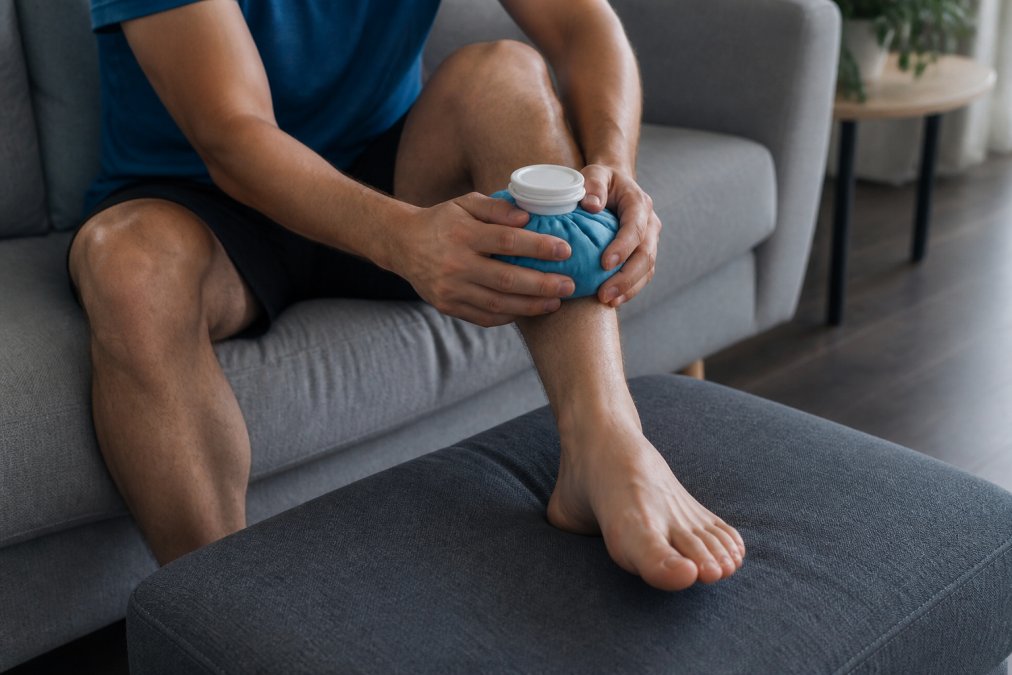
The RICE protocol, Rest, Ice, Compression, Elevation, has guided acute injury management for decades. Rest means avoiding aggravating activities, not complete immobilization. Ice reduces swelling by constricting blood vessels and slowing metabolic activity. Compression limits fluid accumulation. Elevation uses gravity to prevent fluid pooling. Modern practice has evolved to POLICE (Protection, Optimal Loading, Ice, Compression, Elevation), recognizing that some controlled movement during early recovery is beneficial.
Apply ice for 15-20 minutes several times daily during the first 48-72 hours, always wrapped in cloth (acsm.org). Compression should be snug but not restrict circulation. Elevation works best when the injured area is positioned above heart level.
Cryotherapy and compression in the first phase
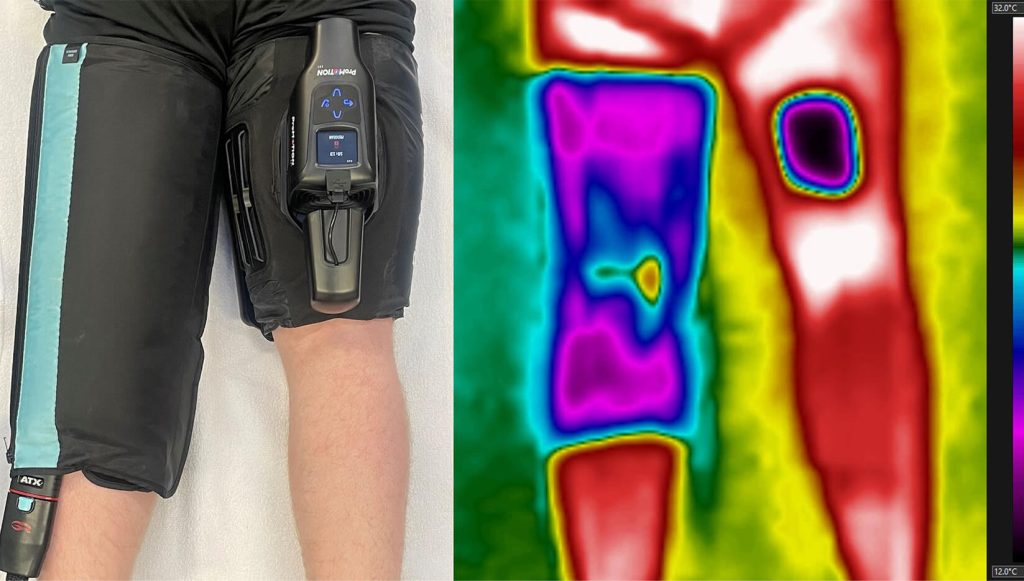
Cryotherapy reduces pain and swelling by constricting blood vessels, decreasing cellular metabolism, and slowing inflammatory mediator release. Combined with compression, it becomes more effective at managing edema. Compression applies consistent pressure, limiting swelling expansion and supporting tissue alignment. Devices delivering both simultaneously provide superior swelling management compared to either modality alone.
Benefits of Compression Therapy for Injuries and Recovery
Compression reduces pain by supporting injured tissue and limiting movement that triggers discomfort. It decreases swelling by limiting fluid accumulation and supporting venous return, improving circulation that delivers oxygen and nutrients to healing tissue while removing metabolic waste.
For active individuals, compression therapy supports earlier return to controlled activity by managing swelling and pain, allowing gentle range of motion and light strengthening sooner. Compression also provides proprioceptive feedback, enhancing awareness that helps prevent re-injury. Many athletes report improved confidence in the injured area when wearing compression, translating to better movement quality during rehabilitation.
Conservative Home Treatment and Progressive Rehabilitation
Most soft tissue injuries respond well to conservative care, emphasizing active participation in recovery rather than passive treatment.

Therapeutic exercise and range of motion recovery
Therapeutic exercise forms the cornerstone of recovery. Early exercises focus on gentle range of motion, preventing stiffness and signaling that controlled movement is safe. Exercises progress from passive to active-assisted to active to resisted as recovery advances. Strengthening exercises rebuild strength and restore confidence. Proprioceptive training through balance exercises and sport-specific movements restores neural coordination and prevents re-injury.
Pain management techniques and load management
Pain guides recovery but shouldn't completely prevent activity. The goal is balancing tissue protection with sufficient movement stimulus to guide repair appropriately. Over-the-counter pain relievers can help manage discomfort, though excessive use should be avoided. Manual therapy, massage, soft tissue mobilization, and joint mobilization, reduces pain and improves movement quality. After 48-72 hours, gentle heat improves tissue extensibility and blood flow.
Nutrition and sleep for tissue repair
Adequate protein provides amino acids for rebuilding muscle and connective tissue. Vitamin C supports collagen synthesis. Zinc, iron, and B vitamins support immune function and cellular repair. Omega-3 fatty acids have anti-inflammatory properties. Hydration maintains cellular function and supports nutrient transport. Sleep might be the most underutilized recovery tool; during deep sleep, your body releases growth hormone, increases blood flow to tissues, and consolidates neural adaptations. Prioritizing 7-9 hours nightly accelerates recovery more effectively than most interventions.
Functional Recovery and Return-to-Activity Testing
The goal isn't just pain reduction but restoring full function and confidence. Functional recovery means performing daily activities without limitation and returning to sport or demanding work without re-injury risk.
Return-to-activity testing provides objective measures of readiness through strength assessment, range of motion, balance, and sport-specific movement patterns. Criteria typically include strength within 90% of the uninjured side, full range of motion, successful sport-specific movements without pain or instability, and psychological readiness (peer-reviewed research). Progressive return should follow a structured protocol, gradually increasing demands while maintaining the ability to back off if symptoms increase.
Managing soft tissue injury recovery effectively requires understanding the healing process, applying appropriate immediate care, and progressing through rehabilitation systematically. The strategies outlined here form the foundation for optimal outcomes.
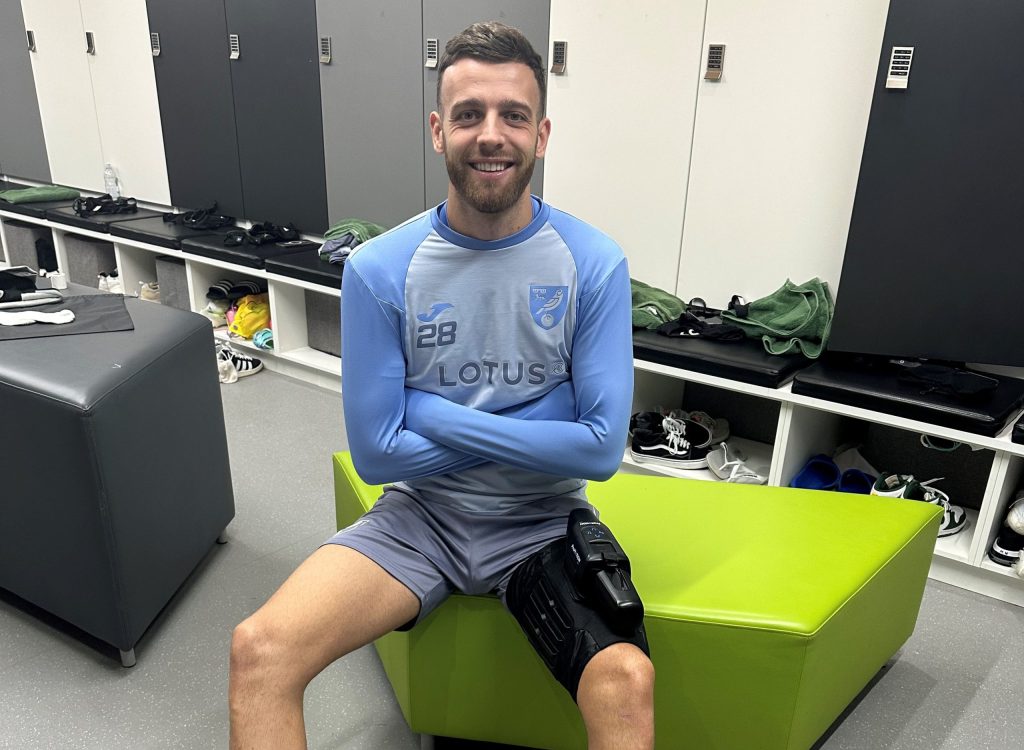
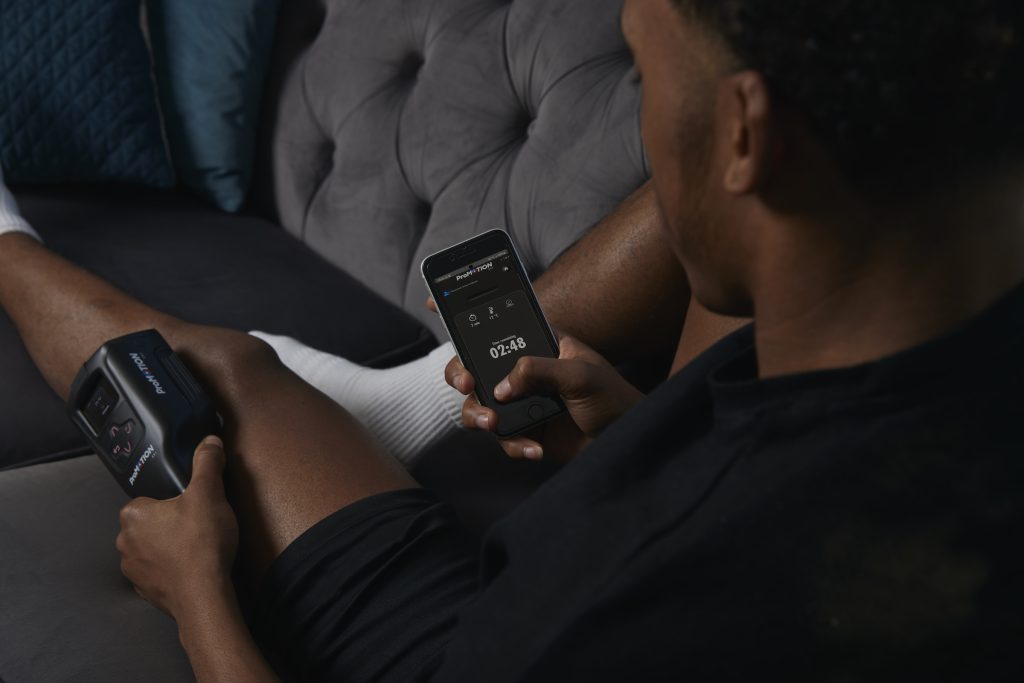
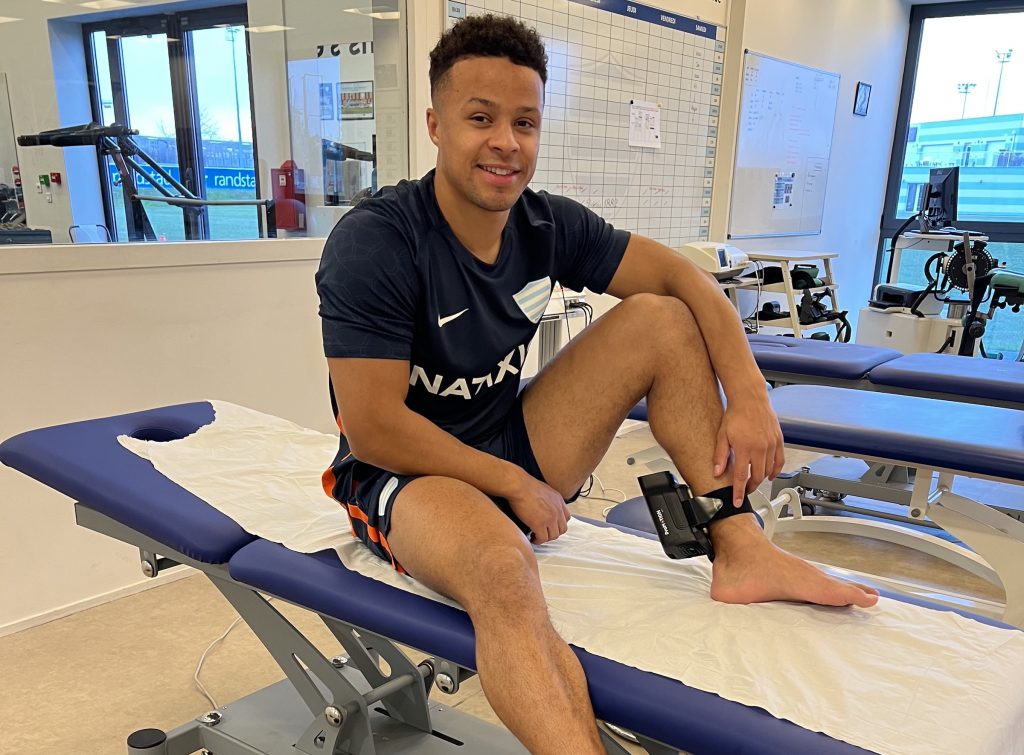
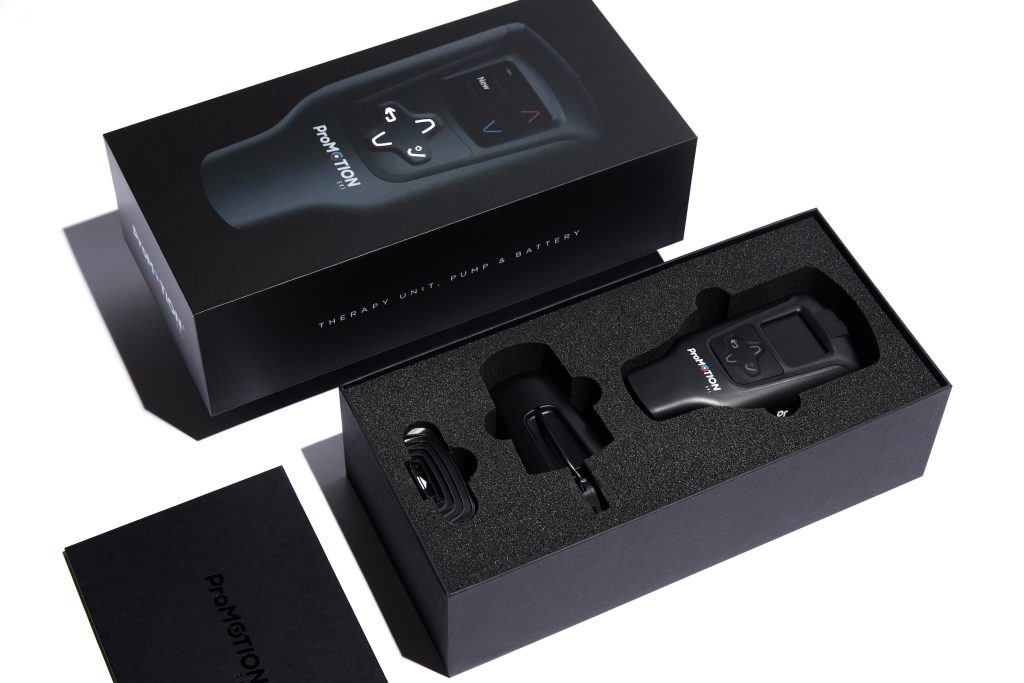
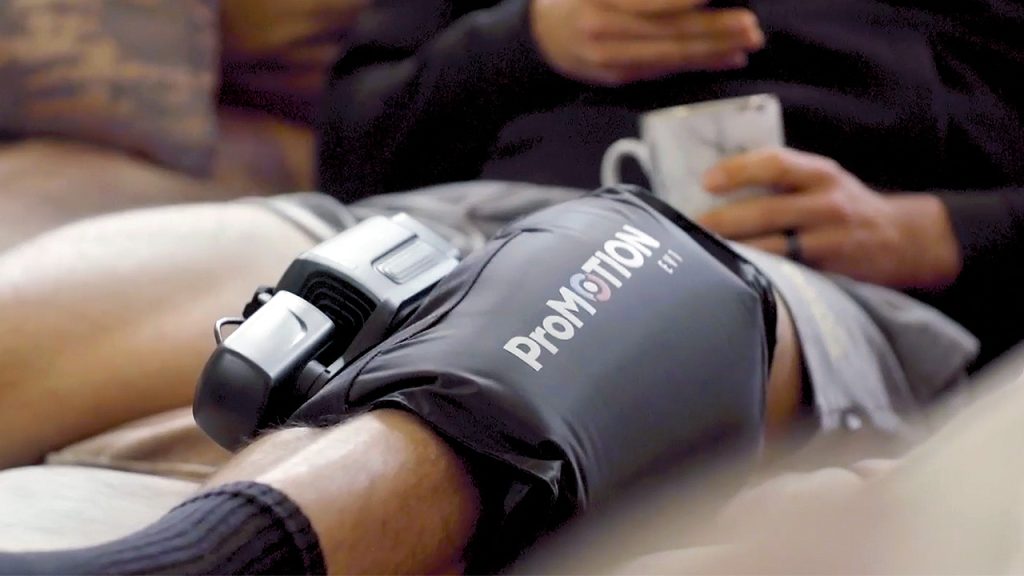
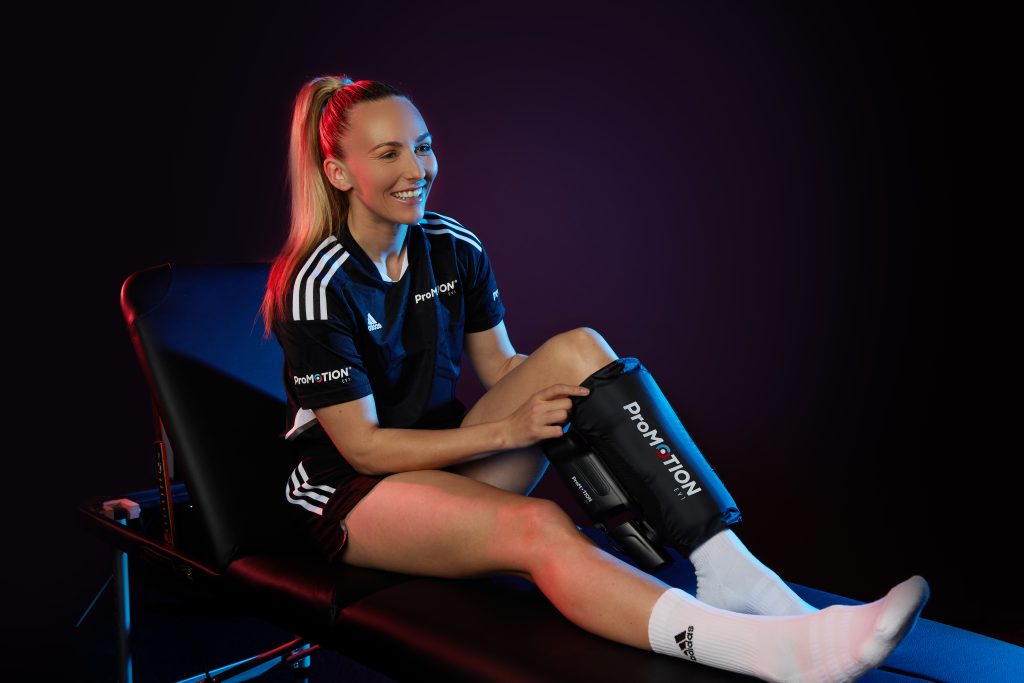
Swellaway's ProMOTION EV1 combines cryotherapy, heat therapy, and compression in a single cordless device, providing comprehensive tissue support throughout recovery. Whether managing acute swelling in the first 72 hours or progressing through rehabilitation weeks later, this versatile tool delivers multiple therapeutic modalities that accelerate return to full function. The device's precise temperature and compression control allows tailoring treatment to your specific recovery phase, while its portability maintains consistent therapy as you progress from rest to activity.
Book a Demo with Swellaway to see how the ProMOTION EV1 can support your soft tissue injury recovery and help you get back to peak performance faster.
Frequently Asked Questions
How long does soft tissue damage take to heal fully?
Healing timelines vary by injury severity and type. Minor sprains or strains may improve in 2-4 weeks, while moderate injuries can require 4-8 weeks. Severe soft tissue damage may take 3-6 months or longer. Recovery depends on your age, overall health, adherence to treatment, and how well you manage inflammation during the acute phase. A healthcare provider can give you a more specific timeline after evaluating your injury.
What are the stages of soft tissue injury healing?
Soft tissue healing occurs in three overlapping phases: the acute phase (first 72 hours), where inflammation and swelling peak; the subacute phase (3 days to 3 weeks), where tissue repair begins and inflammation gradually decreases; and the remodeling phase (3 weeks onward), where collagen is reorganized and strength is restored. Understanding these phases helps you apply the right recovery strategy at each stage, from initial cryotherapy to progressive therapeutic exercise.
When should you use heat versus ice for soft tissue injuries?
Use ice (cryotherapy) during the acute phase, typically the first 48-72 hours after injury, to reduce swelling and numb pain. After the acute phase, heat can help relax muscles and improve circulation during the subacute and remodeling phases. Some athletes alternate between ice and heat. Always follow your healthcare provider's guidance, as the timing depends on your specific injury type and recovery stage.
How can compression therapy help with soft tissue injury recovery?
Compression reduces edema (swelling) by limiting fluid accumulation in damaged tissues, which decreases pain and improves range of motion. It also provides support to injured ligaments, tendons, and muscles, stabilizing the area during healing. Effective compression therapy maintains consistent pressure while allowing movement, making it a cornerstone of conservative care alongside rest and therapeutic exercise.