Table of Contents
- What Portable Cryotherapy Does for Soft Tissue Injuries
- How Cryotherapy Machines Work: Active Cooling vs. Ice Packs
- Benefits of Cold and Compression Therapy Combined
- Cryotherapy Duration for Muscle Strains: Treatment Protocols
- How to Use Heat Therapy for Strains After Initial Cooling
- Safety Precautions and Contraindications
- Integration with Physical Therapy: Accelerating Return to Performance
- Frequently Asked Questions
Last Updated: August 31, 2026
What Portable Cryotherapy Does for Soft Tissue Injuries
Portable cryotherapy for soft tissue injuries combines cold therapy with compression to reduce inflammation, manage pain, and accelerate recovery. Unlike traditional ice packs that offer inconsistent cooling, portable cryotherapy machines deliver controlled, sustained cold and compression simultaneously, addressing two critical elements of injury management at once.
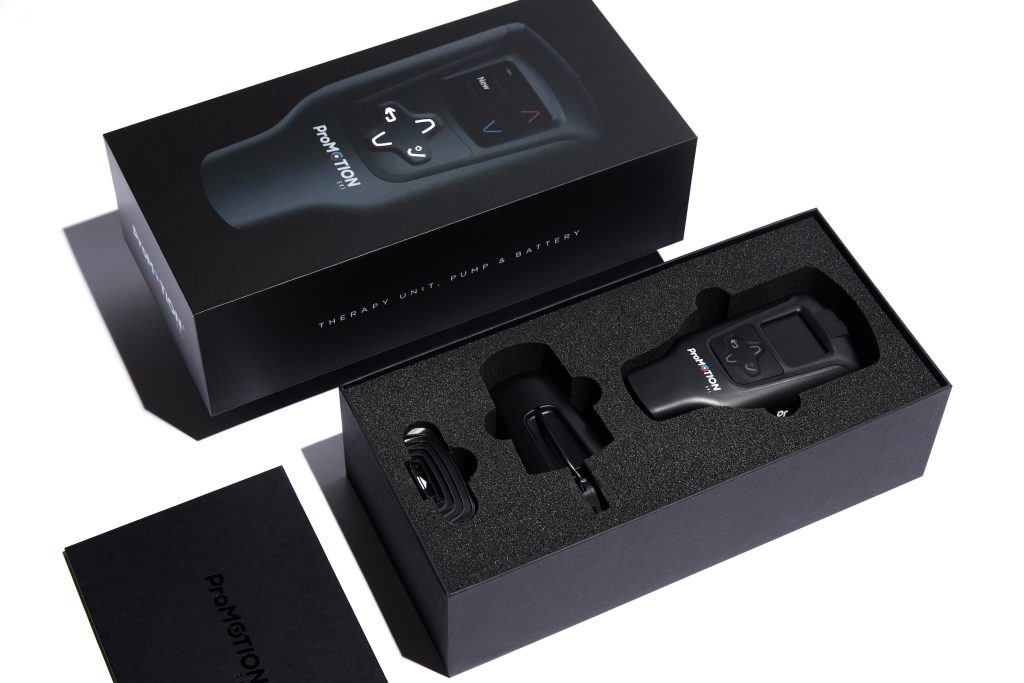
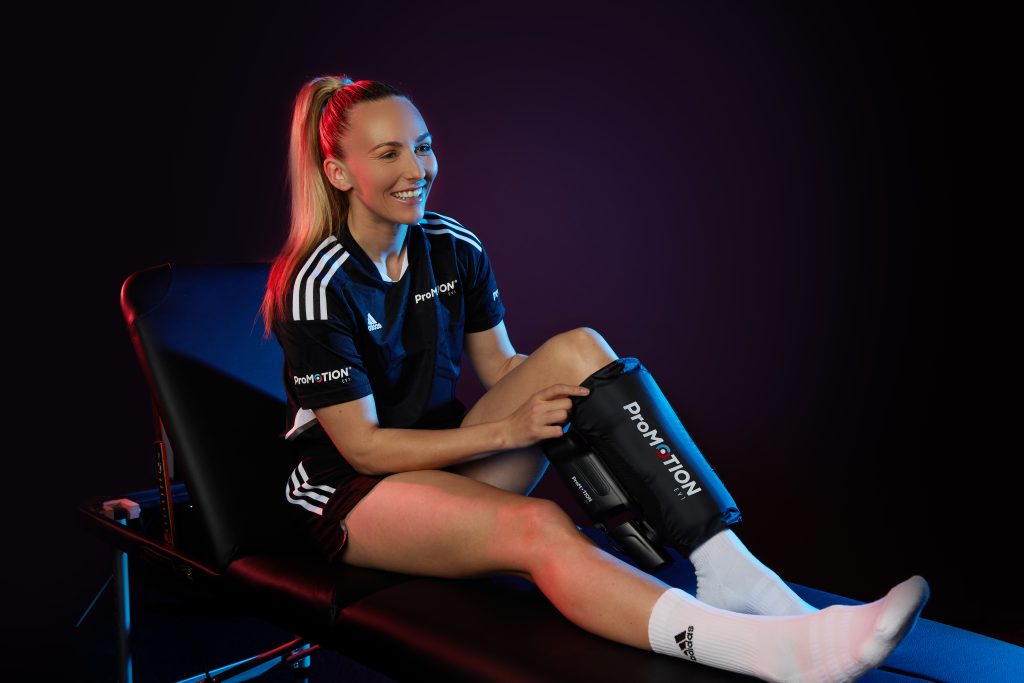
Soft tissue injuries, sprains, strains, contusions, and post-operative swelling, respond best to early intervention. The first 48-72 hours are critical (peer-reviewed research). During this window, inflammation control determines how quickly you progress to active rehabilitation. Swellaway's ProMOTION EV1 represents the evolution of this approach: a cordless, portable device that athletes, physiotherapy professionals, and post-operative patients can use immediately after injury or surgery, then continue at home without compromising intensity.
The mechanism is straightforward but effective. Cold reduces metabolic demand in damaged tissue, limiting secondary injury from inflammation. Compression prevents fluid accumulation that causes swelling and stiffness. Together, they create an environment where healing happens faster and pain stays manageable, meaning patients can begin gentle movement and rehabilitation sooner rather than waiting weeks for swelling to subside naturally.
The critical window for intervention is the first 48-72 hours post-injury. Starting portable cryotherapy immediately, not after swelling peaks, changes the entire recovery trajectory. Many athletes delay treatment, waiting to see if "it's serious enough." That hesitation costs weeks.
How Cryotherapy Machines Work: Active Cooling vs. Ice Packs
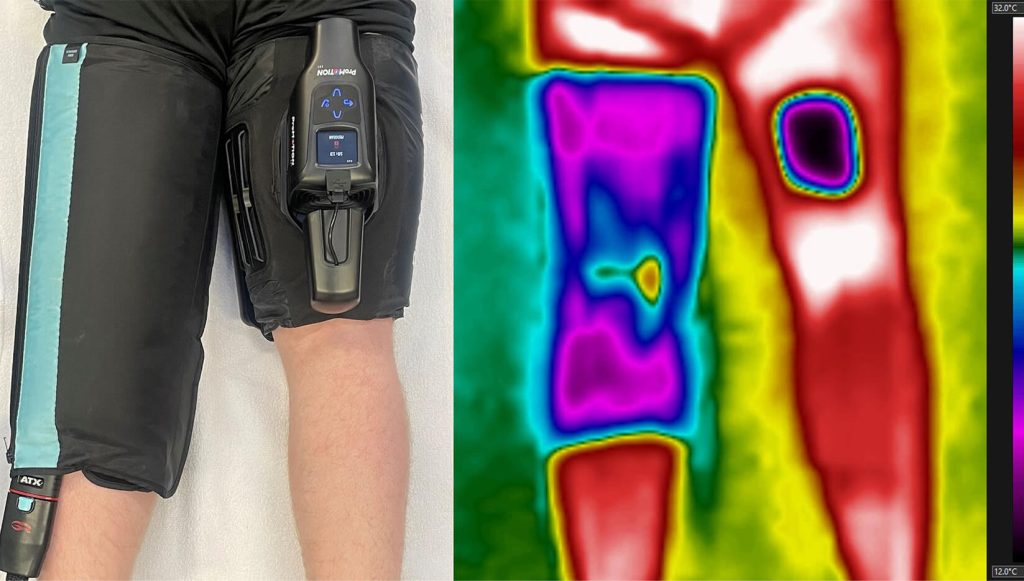
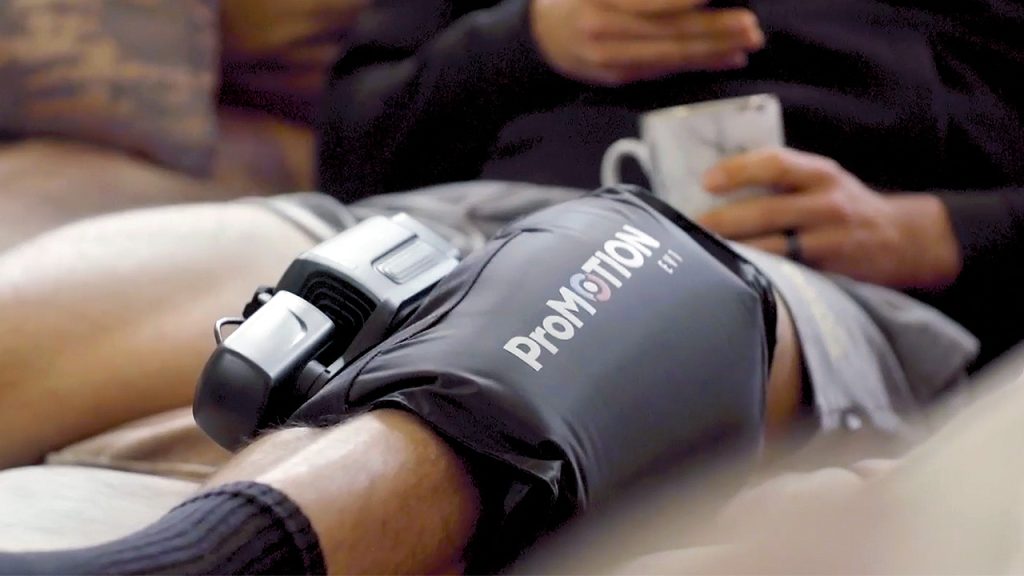
Active cooling systems circulate chilled water through a wrap or pad applied directly to the injury site. This differs fundamentally from static ice packs, which cool unevenly and lose effectiveness as they warm. A portable cryotherapy machine maintains consistent temperature throughout treatment, delivering what clinicians call deep-tissue penetration without the risk of ice burn.
The device cycles cold water through anatomically designed wraps that conform to knees, shoulders, ankles, or other joints. You set the temperature (typically 50-60°F for acute injuries) and compression level, then the machine maintains those parameters for your entire treatment window (apta.org). This precision matters. Too cold risks tissue damage; too warm wastes the therapeutic window.
Compare this to ice packs: they start cold and warm progressively. After 15 minutes, surface temperature has risen significantly. You're paying attention to when to refreeze, not to actual therapeutic delivery. With a portable machine, you set it and trust the consistency.
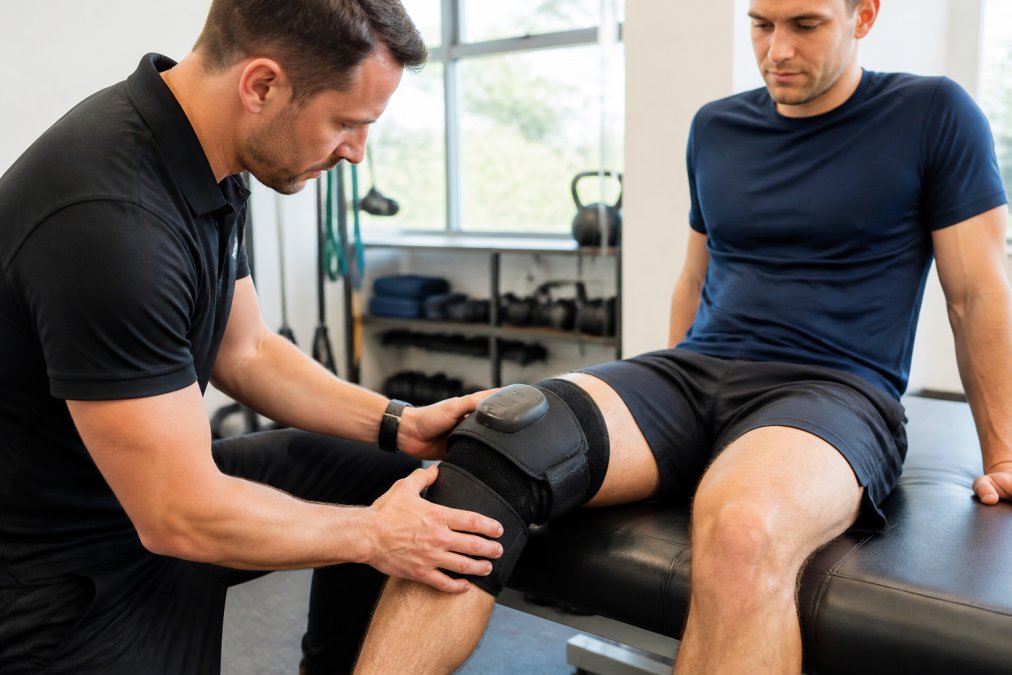
Intermittent compression, cycling pressure on and off, adds another layer. Continuous compression can reduce blood flow too much; intermittent cycles promote fluid movement without compromising circulation. This is why Game Ready systems became standard in professional sports clinics. Portable devices like the ProMOTION EV1 bring this same intermittent compression logic into cordless, home-use formats.
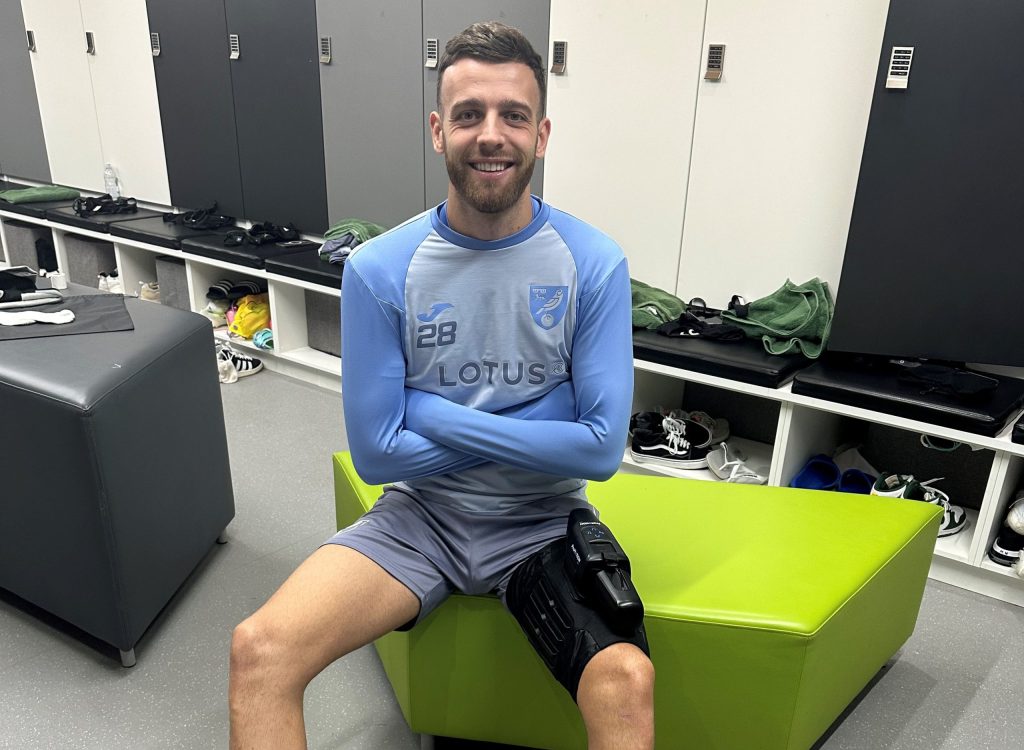
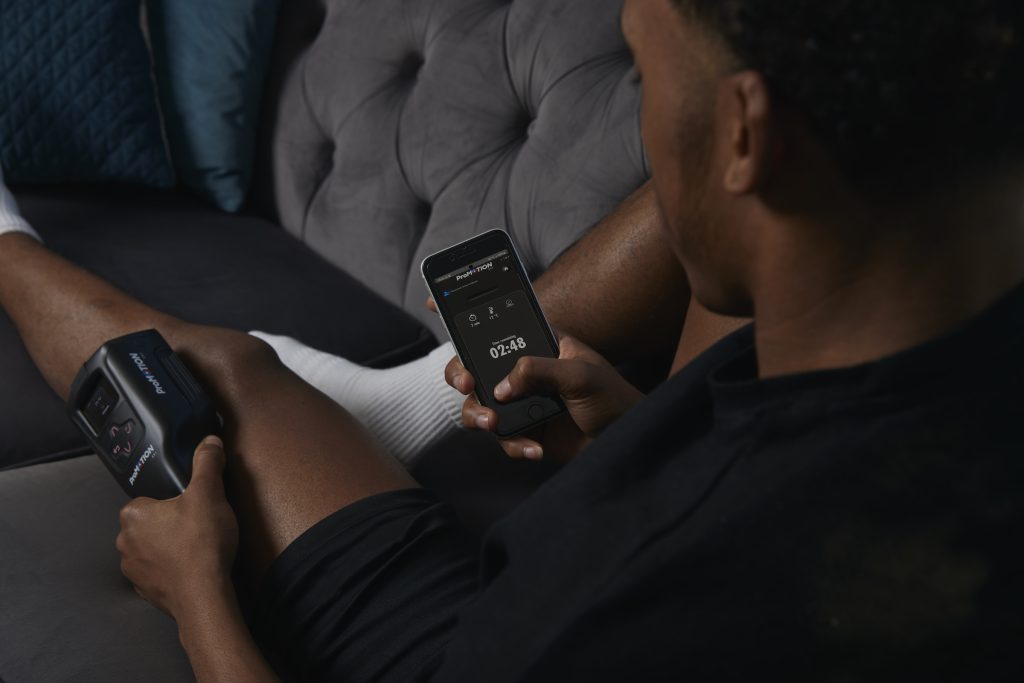
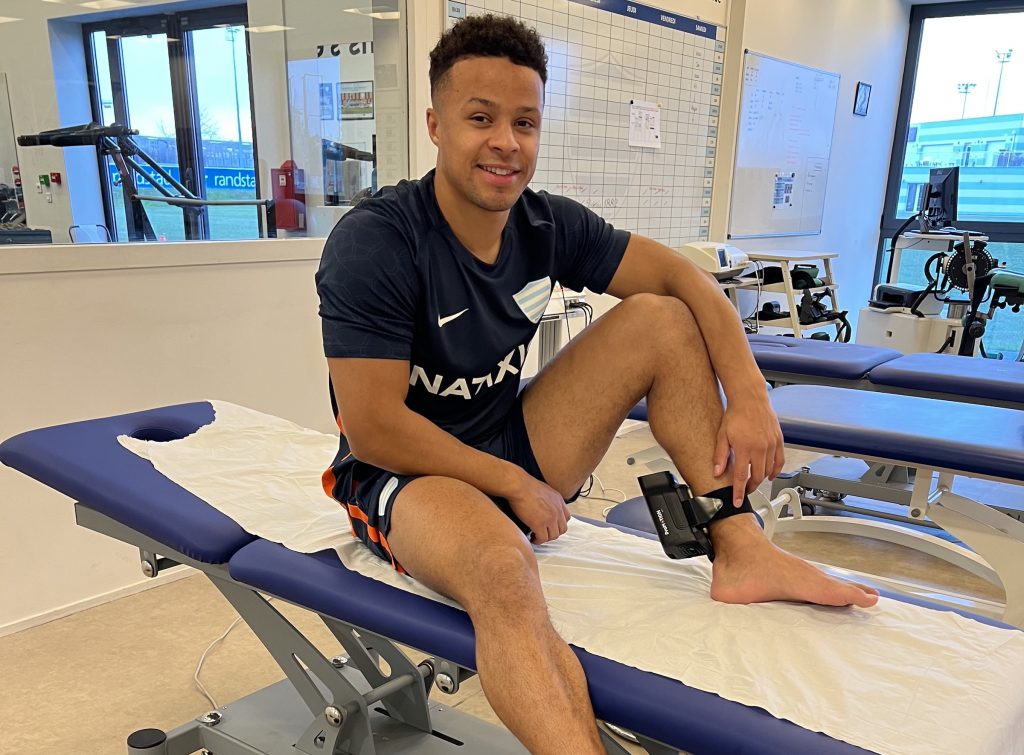
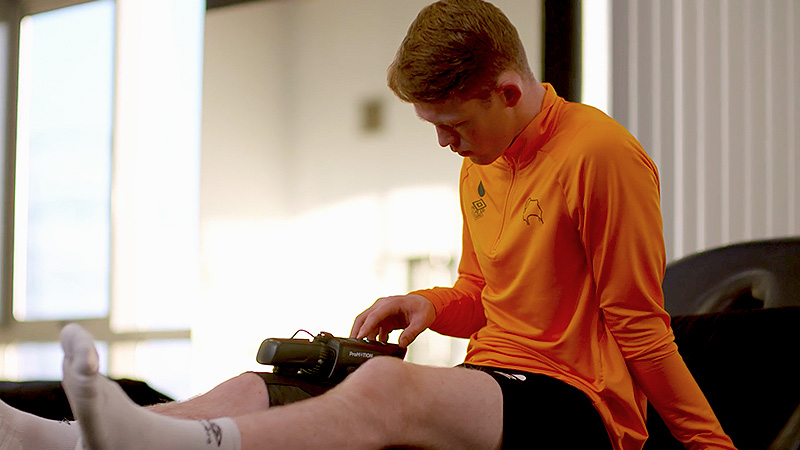
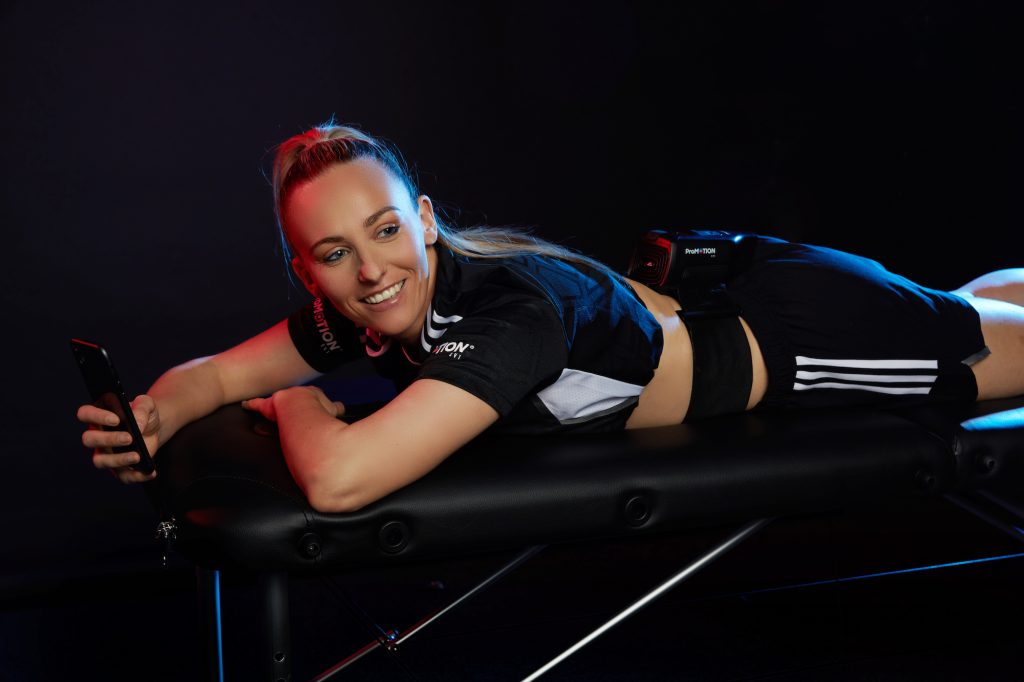
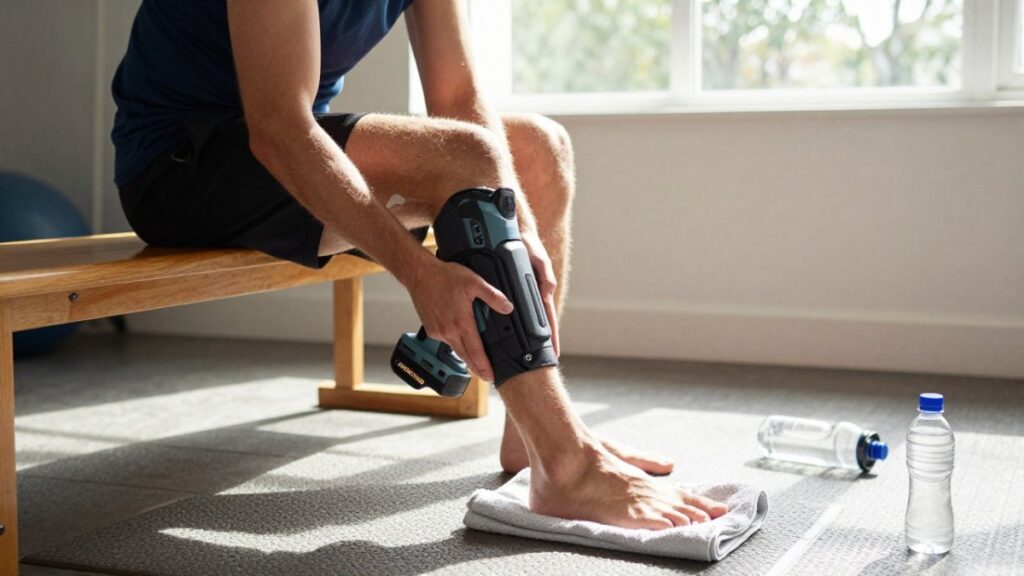
The cordless design eliminates the tether to a stationary unit. Athletes can ice their knee while traveling to a tournament. Post-operative patients can manage swelling at home without a clinic visit. This flexibility doesn't sacrifice power, modern portable units deliver the same therapeutic intensity as their stationary counterparts, just with the freedom to use them anywhere.
Never apply a cryotherapy device directly to skin without a protective barrier. Even with built-in safeguards, direct contact risks cold-induced nerve damage or frostbite-like injury. Always use the provided wrap or place a thin cloth layer between the device and skin.
Benefits of Cold and Compression Therapy Combined
Cold and compression work synergistically, not as separate treatments. Cold slows inflammation; compression prevents the fluid buildup that inflammation creates. Together, they reduce swelling faster than either alone.
The practical benefit: reduced swelling means faster return to function. Pain reduction follows swelling reduction. Swelling stretches nerve endings and increases pressure in the joint capsule, both of which signal pain to the brain. Manage swelling, and pain becomes manageable without heavy reliance on analgesics. This matters for post-operative patients especially: better pain control without medication means earlier mobilization, which prevents the stiffness and weakness that come from immobilization.
Vasoconstriction, the narrowing of blood vessels caused by cold, reduces blood flow to the injury site temporarily. This limits the inflammatory cascade that follows injury. The body's inflammatory response is necessary for healing, but excessive inflammation causes collateral damage: extra swelling, prolonged pain, and delayed return to activity. Cold therapy doesn't eliminate inflammation; it moderates it.
Edema management is where portable cryotherapy excels. Swelling can persist for weeks if left unmanaged. A patient icing their ankle at home with ice packs for 15 minutes, three times daily, gets inconsistent results. The same patient using a portable cryotherapy device for 20 minutes with active compression gets measurable reduction in circumference within days.
Cryotherapy Duration for Muscle Strains: Treatment Protocols
How long should you apply cold and compression? The answer depends on injury type and treatment phase.
Acute phase (0-48 hours post-injury):
Apply 20-30 minutes every 2-3 hours. This aggressive approach manages the inflammatory surge that peaks in the first 24-48 hours. A muscle strain in this window benefits from frequent, consistent cooling. Many athletes use a portable device 4-6 times daily during the first 48 hours.
Subacute phase (48 hours to 2 weeks):
Reduce to 20-30 minutes, 3-4 times daily. Swelling begins to plateau; the goal shifts from aggressive inflammation control to maintaining the progress made. Some patients move to twice-daily sessions after one week if swelling is minimal.
Recovery phase (2+ weeks):
Continue as needed for pain management and to prevent re-swelling during activity. Many athletes use cryotherapy after rehabilitation exercises to manage inflammation triggered by movement. This prevents the cycle where activity causes swelling, swelling limits range of motion, and limited motion delays rehabilitation.
Temperature matters. For acute soft tissue injuries, 50-55°F is standard. For post-operative patients, some surgeons recommend slightly warmer temperatures (55-60°F) initially to avoid excessive vasoconstriction that might compromise healing blood flow. Always follow your clinician's specific protocol, post-operative guidelines vary by surgery type.
Compression pressure typically ranges 30-50 mmHg for soft tissue injuries (peer-reviewed research). Higher pressure (up to 60 mmHg) is used for more severe swelling, but sustained high pressure can compromise circulation. Intermittent compression, alternating between active compression and release, allows circulation recovery between cycles.
| Injury Phase | Duration | Frequency | Temperature | Compression |
|---|---|---|---|---|
| Acute (0-48 hrs) | 20-30 min | Every 2-3 hrs | 50-55°F | 30-50 mmHg |
| Subacute (2-14 days) | 20-30 min | 3-4 times daily | 50-55°F | 30-50 mmHg |
| Recovery (2+ weeks) | 20-30 min | As needed | 50-60°F | 30-50 mmHg |
Most portable devices allow you to adjust both temperature and compression, so you can fine-tune to your specific injury and phase. This precision is where portable cryotherapy outperforms static ice packs, you're not guessing at intensity, you're controlling it.
The first 48 hours determine your recovery timeline. Aggressive, consistent cold and compression during this window can significantly reduce total healing time compared to sporadic ice pack use.
How to Use Heat Therapy for Strains After Initial Cooling
Heat enters the picture after acute inflammation is controlled, typically 48-72 hours post-injury, or when swelling has plateaued. Heat therapy for strains accelerates blood flow, increases tissue flexibility, and reduces muscle guarding (the protective tension muscles adopt around an injury).
The sequence matters. Cold first to manage inflammation, then heat to promote healing and mobility. Reversing this, applying heat before swelling is controlled, can worsen inflammation and extend recovery.
When to transition: Once swelling is minimal and pain is manageable without analgesics, heat becomes beneficial. For a grade-1 muscle strain, this might be 3-4 days post-injury. For a grade-2 strain or post-operative swelling, it might be 7-10 days. There's no universal timeline, tissue response varies.
Heat therapy for strains works by increasing local circulation. More blood flow means more oxygen and nutrients reaching damaged tissue. It also increases tissue extensibility, muscles and ligaments become more flexible when warm, which is why heat therapy pairs well with gentle stretching and range-of-motion exercises.
The ProMOTION EV1 combines both modalities in one device. You can use cold therapy in the morning and evening, then switch to heat therapy during rehabilitation sessions. This eliminates the need for separate ice packs and heating pads, and the portability means you're not limited to home treatment, you can use it at the gym, at work, or while traveling.
Heat duration: 15-20 minutes is typical. Longer sessions don't increase benefit and risk tissue damage if the device malfunctions or temperature control fails. Many athletes use heat therapy immediately before rehabilitation exercises to warm tissue and improve range of motion, then return to cold therapy afterward to manage any inflammation triggered by movement.
Safety Precautions and Contraindications
Portable cryotherapy is safe for most people when used correctly, but certain conditions require caution or prohibition.
Contraindications, do not use cryotherapy:
- Open wounds or broken skin at the treatment site
- Severe peripheral vascular disease (cold further reduces circulation to already-compromised tissues)
- Cold urticaria (allergic reaction to cold exposure)
- Raynaud's phenomenon (extreme sensitivity to cold causing finger blanching and pain)
- Cryoglobulinemia (blood proteins that precipitate in cold, causing tissue damage)
- Sensory neuropathy or nerve damage at the treatment site (inability to feel excessive cold increases burn risk)
Precautions, use with care and medical guidance:
- Pregnancy: cold therapy on the abdomen or lower back is generally avoided; consult your obstetrician
- Cardiac conditions: extreme cold can trigger cardiac stress; discuss with your cardiologist before use
- Diabetes: reduced sensation increases burn risk; shorter sessions and careful monitoring are necessary
- Recent surgery: follow your surgeon's specific protocol; some surgeons restrict cold therapy for certain procedures during specific phases
- Implanted devices: pacemakers and other implants may be affected by certain cryotherapy devices; confirm compatibility with your device manufacturer
Application safety:
Always use the provided wrap or apply a protective barrier between the device and skin. Never apply directly to skin. Check skin regularly during treatment, healthy skin should appear slightly pink or pale, not red, purple, or white. Stop immediately if you feel sharp pain, burning, or numbness.
Limit single sessions to 30 minutes maximum. Longer exposure doesn't increase benefit and increases risk of cold-induced injury. If using multiple times daily, space sessions at least 2 hours apart to allow tissue to return to normal temperature between treatments.
Battery safety: keep the device charged per manufacturer instructions. A depleted battery mid-treatment can leave you with a static cold wrap, which risks cold burn. Charge after each use if treating multiple times daily.
Integration with Physical Therapy: Accelerating Return to Performance
Portable cryotherapy isn't a replacement for physical therapy, it's a tool that enables faster, more aggressive rehabilitation. Cold and compression manage pain and swelling, which allows patients to tolerate more intensive exercises earlier.
The traditional timeline: injury → pain-limited rest → gradual return to movement. The portable cryotherapy timeline: injury → aggressive cold and compression → pain-managed early movement → accelerated rehabilitation → faster return to performance.
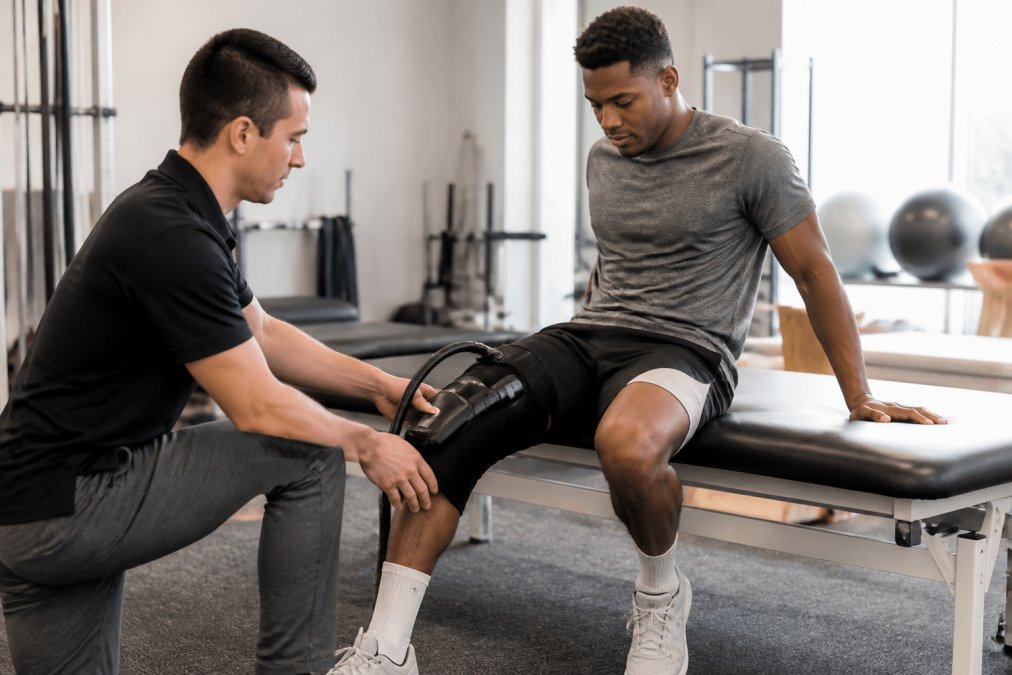
Here's the mechanism: swelling limits range of motion. Limited range of motion prevents proper muscle activation during rehabilitation exercises. Poor muscle activation means slower strength recovery. By managing swelling aggressively, you restore range of motion, enabling full-range exercises that rebuild strength faster.
A practical example: an athlete with a grade-2 ankle sprain. Without portable cryotherapy, week 1 is rest and ice packs; week 2 begins gentle range-of-motion exercises; week 3-4 adds strengthening. With portable cryotherapy, week 1 includes aggressive cold therapy plus gentle range-of-motion starting day 3; week 2 includes strengthening exercises; week 3 includes sport-specific drills. Total return to play can be accelerated.
This acceleration comes from pain management, not from the device healing tissue faster. Cold therapy reduces pain enough that patients can do exercises that would be intolerable without it. Those exercises stimulate blood flow and tissue remodeling, which are the actual mechanisms of healing.
Post-operative integration: Surgeons increasingly recommend portable cryotherapy immediately post-op because it reduces pain and swelling enough to allow early mobilization. Mobilization prevents stiffness and maintains circulation to the surgical site. Patients who use cryotherapy aggressively in the first 2 weeks post-op may progress through rehabilitation faster than those using ice packs alone.
The key is consistency. A patient using portable cryotherapy 4-5 times daily in the first week sees measurable swelling reduction by day 3-4. A patient using ice packs 2-3 times daily sees slower progress. The frequency and consistency of portable devices, because they're cordless and easy to use, is often the difference between "good recovery" and "exceptional recovery."
Frequently Asked Questions
How is portable cryotherapy different from using ice packs and compression wraps?
Portable cryotherapy machines deliver active, circulating cold therapy with precise temperature control and adjustable compression settings, whereas ice packs provide passive cooling that warms over time. Active cooling maintains consistent therapeutic temperatures throughout treatment, penetrating deeper into soft tissue. Compression wraps offer static pressure, while devices with intermittent compression cycles enhance fluid movement and reduce edema more effectively. The combination of controlled thermal regulation and dynamic pressure can accelerate healing in ways traditional ice cannot match.
How long should you use cryotherapy for muscle strains?
Most protocols recommend 15-20 minutes of cold compression therapy for acute muscle strains, repeated every 2-3 hours during the first 48 hours post-injury. After the acute phase, sessions may extend to 20-30 minutes, spaced 4-6 hours apart. Duration depends on injury severity, skin sensitivity, and individual tolerance. Always follow guidance from your physiotherapist or physician, as overuse can cause tissue damage. Portable devices with timer functions help ensure consistent, safe treatment durations.
Can you really control temperature precisely on a portable device, or are there only preset modes?
Quality portable cryotherapy machines offer adjustable temperature settings rather than fixed presets, allowing users to customize therapy based on injury type and skin sensitivity. Precise thermal regulation is crucial for patients with sensitive skin who react poorly to traditional ice. Devices with digital controls let you set specific temperature ranges and monitor actual output, ensuring safe, effective treatment. This level of control is one key advantage over DIY ice packs and makes portable systems suitable for clinic use with multiple patients.
What are the main contraindications for portable cryotherapy?
Avoid cryotherapy if you have open wounds, severe circulatory disorders, cold hypersensitivity, or active infection at the treatment site. Patients with certain neurological conditions affecting sensation should not use cold therapy without professional supervision. Recent surgery may require physician clearance before starting treatment. Contraindications also include Raynaud's syndrome, cryoglobulinemia, and areas with compromised skin integrity. Always consult your healthcare provider before beginning any new therapy, especially if you have underlying medical conditions or are taking medications affecting circulation.
Soft tissue injuries don't have to sideline you for weeks. Portable cryotherapy for soft tissue injuries accelerates recovery by managing inflammation and pain in the critical first days, enabling earlier rehabilitation and faster return to performance. The Swellaway ProMOTION EV1 combines cordless portability with clinical-grade cold, heat, and compression, giving you the tools to manage recovery at home, at the gym, or on the road. Book a demo to see how it fits your recovery protocol.