Last Updated: November 9, 2026
Quick Summary
Cold therapy for a sprained ankle means applying cold in 15 to 20 minute sessions, with at least 60 to 90 minutes off between them, three to five times a day for the first 48 to 72 hours. It helps limit swelling and ease pain, but it does not repair the ligament and should always be wrapped in a towel to protect the skin.
- Apply cold for 15 to 20 minutes, then remove it for at least 60 to 90 minutes.
- Repeat cold sessions three to five times a day for the first 48 to 72 hours.
- Check the skin after removing cold; it should be pink and cool, not white or numb.
- Never apply ice straight to bare skin or fall asleep with a cold pack on.
- Switch to gentle heat once swelling settles and stiffness is the main complaint.
Table of Contents
- What Cold Therapy Does for a Sprained Ankle
- RICE vs PRICE Protocol for Ankle Sprains
- How Long to Ice a Sprained Ankle
- When to Use Heat vs Cold for Ankle Sprains
- Compression Therapy and Soft Tissue Injuries
- Who Should Avoid Cold Therapy and Common Mistakes
- Booking a Professional Assessment for Your Ankle Injury
- Frequently Asked Questions
Cold therapy for sprained ankles is one of the most common first-aid responses to an ankle injury, yet many people apply it without a clear plan for how long, how often or when to stop. Used correctly, cold can help limit swelling and ease pain in the first hours and days after a sprain (the NHS). Used carelessly, it can cause skin damage. This guide from Swellaway explains how cold therapy works on a sprained ankle, how it fits alongside established protocols, and how to apply it safely.
What Cold Therapy Does for a Sprained Ankle
Cold therapy is the application of low temperature to injured tissue, typically through ice packs, cold water or a cold compression wrap. For a sprained ankle, the goal is to reduce the swelling and pain that follow ligament damage. Cold is not a cure, and it does not repair torn fibers. It manages the acute symptoms while the body begins its own healing process.
How vasoconstriction reduces swelling and blood flow
When tissue is cooled, the blood vessels in that area narrow, a process called vasoconstriction. Narrower vessels carry less fluid into the injured area, which can limit the swelling (edema) that builds after a sprain. Reduced blood flow also slows the rate at which pain-producing chemicals reach nerve endings, which is why many people feel relief shortly after application. The effect is temporary and reverses once the tissue warms again, which is why application is repeated rather than done once.
RICE vs PRICE Protocol for Ankle Sprains
The RICE method (Rest, Ice, Compression, Elevation) has been the standard first-aid approach for decades. More recent guidance from sports medicine clinicians proposes PRICE, which adds Protection at the start, typically a brace or support that keeps the ankle from bearing unsafe load while the injury settles.
In practice, the two approaches share the same core: limit further injury, reduce swelling, and elevate the limb. For a detailed walkthrough of applying cold compression to an ankle sprain, including positioning and timing, read our step-by-step article. The difference is in how much protection and early movement are appropriate for the severity of the sprain.
How Long to Ice a Sprained Ankle
Most practitioners recommend a simple rule for the acute phase: 15 to 20 minutes of cold, followed by at least 60 to 90 minutes with the cold removed so the skin can return to normal temperature, repeated three to five times a day for the first 48 to 72 hours. For a step-by-step walkthrough of portable cryotherapy for a sprain, see our how-to guide. That off-period matters as much as the on-period. Cooling tissue for too long causes the blood vessels to reopen in a rebound response, which can work against the swelling control you are trying to achieve.
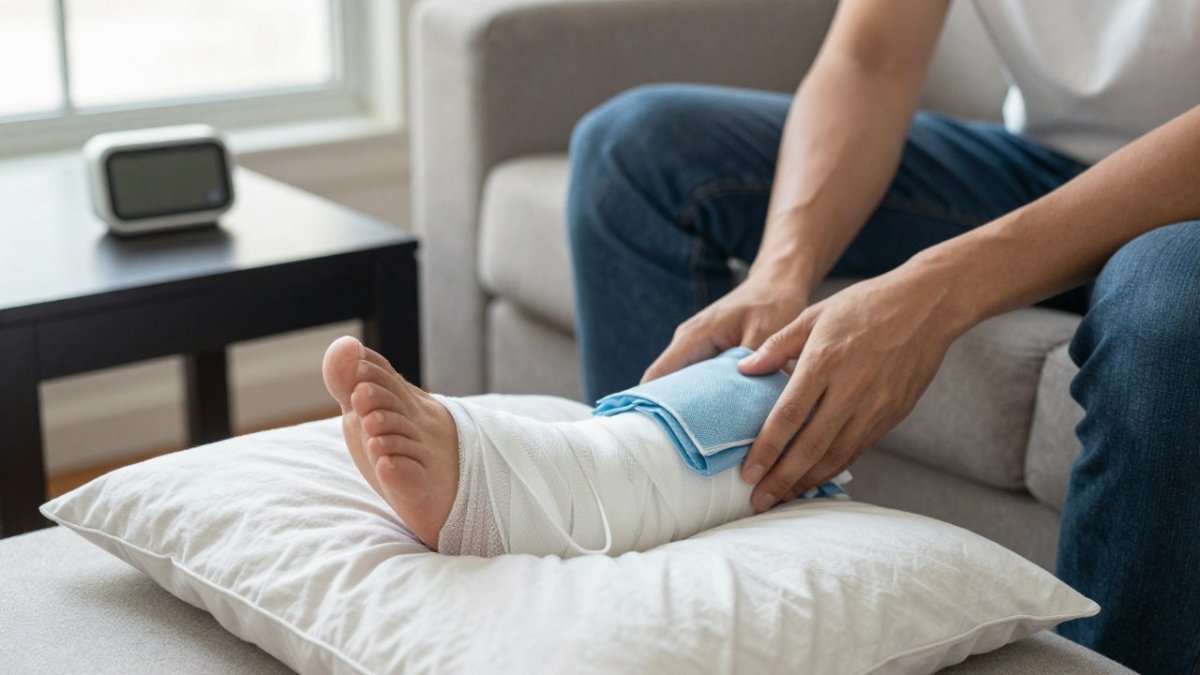
A practical session structure for the first three days looks like this:
- Minutes 0-20: Apply the cold pack over a thin towel, with the ankle elevated above heart level if comfortable.
- Minutes 20-30: Remove the cold entirely and check the skin. It should be pink and cool, not white, grey, waxy or numb.
- Minutes 30-90+: Leave the skin uncovered or lightly wrapped in compression only. Do not reapply cold until the skin feels normal to the touch again.
- Repeat three to five times across the day, including one session before bed if swelling is worst in the evening.
Matching the cold source to the job
The delivery method changes how long you can safely leave cold on. Crushed ice in a bag or a gel pack straight from the freezer is the coldest option and should never exceed 20 minutes. A chemical cold pack is similar. A cold compression wrap or a circulating cold-therapy device that stays near 40-50°F is gentler and is often used in longer, supervised sessions, but the same skin checks apply.
Watch out: the most common home error is falling asleep with an ice pack on. Set a timer, and never use cold on bare skin or over an area where sensation is reduced.
The evidence debate you should know about
Some sports-medicine commentary questions whether routine icing speeds long-term healing, arguing that inflammation is part of the repair process. Most clinicians still support short-term cold for pain relief and comfort, especially in the first 24 to 48 hours, but the modern view is more nuanced: use cold to manage pain and allow comfortable movement, not as a substitute for loading and rehabilitation. If pain is manageable without ice, you do not have to ice on a rigid schedule. If ice helps you move the ankle gently and sleep, it is doing its job. Either way, the ankle still needs progressive movement and strengthening once the acute swelling settles.
When to Use Heat vs Cold for Ankle Sprains
The timing rule most clinicians use is straightforward: cold for the first 48 to 72 hours while swelling and inflammation are active, then a gradual transition to heat once swelling has visibly settled and the ankle feels stiff rather than swollen. The signal to switch is not the calendar alone, it is the ankle. If the joint still looks puffy, feels warm to the touch, or swells after activity, stay with cold. If the swelling has plateaued and the main complaint is stiffness or tightness before movement, heat is usually more helpful.
A practical transition timeline
- Days 0-2: Cold only, in the 15-to-20-minute cycles described above, combined with compression and elevation.
- Days 3-7: Alternate cold after activity or when swelling flares with gentle heat before range-of-motion exercises. Many people use cold after exercise and heat before it.
- Week 2 onward: Heat before mobility and strengthening work, cold only if the ankle swells after a session. Swelling that returns after heat is a signal to go back to cold and reduce load.
Contrast baths, done correctly
Contrast bathing alternates warm and cold water and is sometimes used in later rehabilitation to promote circulation and reduce stiffness. A common protocol is three to four minutes in warm water (about 100-104°F) followed by one minute in cold water (about 50-60°F), repeated three to five times and ending on cold. Keep the water shallow enough to cover the ankle, not the whole leg, and stop if the skin becomes uncomfortable or the ankle swells. Because the timing of contrast baths depends on how the ankle is progressing, Moore Chiropractic discusses recovery time as part of deciding when to move beyond acute care.
Who should avoid heat, and who should avoid cold
Heat should not be applied to an ankle that is still swollen, warm or recently injured, and it should be avoided over areas with reduced sensation or poor circulation. Cold carries its own cautions that are often buried in general guides.
Watch out: applying heat in the first 48 hours, or using a heating pad on an ankle that is still swollen, commonly makes swelling worse and delays comfort. When in doubt, cold is the safer default in the acute phase.
Compression Therapy and Soft Tissue Injuries
Compression supports soft tissue healing by limiting fluid accumulation around the injured area and providing gentle external support to the joint. Elastic compression wraps are a common option, and some people combine them with cold for a single application. Compression should be snug but not so tight that it causes numbness, tingling, increased pain or a change in skin colour.
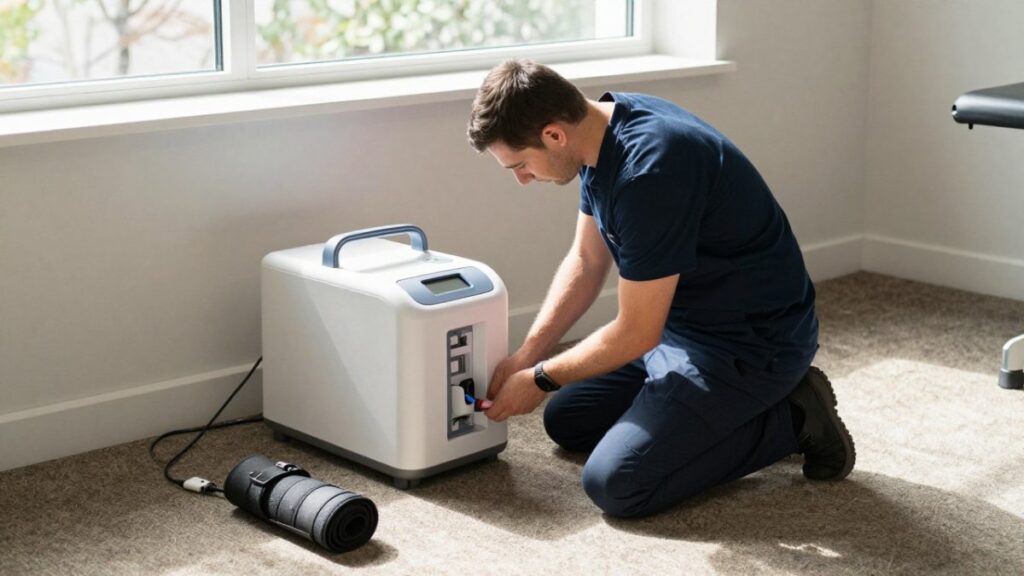
For people who regularly manage soft tissue injuries, portable cold and compression therapy devices offer a way to apply both at home without repeatedly rewrapping ice packs. Our guide explains how these devices work and what to look for before choosing one. Swellaway's ProMOTION EV1 combines cryotherapy, heat and compression in one cordless unit, designed for athletes, patients and physiotherapy professionals.
Who Should Avoid Cold Therapy and Common Mistakes
Cold therapy is not appropriate for everyone. People with circulation problems, Raynaud's phenomenon, cold-induced urticaria or reduced sensation in the leg should check with a clinician before using cold. Anyone with diabetes or nerve damage should take particular care, because they may not notice early signs of skin injury.
Common mistakes include applying ice directly to the skin, leaving a cold pack on for too long, using cold as the only treatment for a severe injury, and ignoring worsening symptoms. Another frequent error is assuming that because cold helped the pain, the ankle is healed.
Watch out: applying ice straight from the freezer to bare skin is the most common cause of cold injury in home treatment. Always wrap it first.
Booking a Professional Assessment for Your Ankle Injury
Seek prompt medical attention if you cannot bear weight on the ankle, if there is visible deformity, if numbness or tingling develops, if swelling is severe or rapidly worsening, or if pain does not improve after several days. Our article on recognizing when you need professional recovery tools outlines the other warning signs to watch for. A qualified clinician can determine whether the ligament is strained, partially torn or fully ruptured, and recommend the right recovery plan. For ongoing injuries or recovery from surgery, a physiotherapist or orthopedic specialist can guide the timing of heat, cold and rehabilitation exercises.
Recognizing its limits and knowing when to seek professional help matters as much as knowing how to apply it.
Frequently Asked Questions
Is cold therapy good for a sprained ankle?
Cold therapy is commonly used in the first days after an ankle sprain because it helps limit swelling and eases pain. It works by narrowing blood vessels near the injury, which slows fluid build-up in the tissue. Cold does not repair ligament damage on its own, so it works best alongside rest, compression and elevation. Use a barrier such as a thin towel between ice and skin, and keep sessions short. If pain is severe, you cannot bear weight, or the ankle looks deformed, get it examined by a qualified professional rather than relying on home treatment.
How long should you apply cold therapy to a sprained ankle?
A common approach is 15 to 20 minutes at a time, with breaks of at least an hour between applications, repeated several times a day during the first 48 to 72 hours. Longer sessions raise the risk of skin injury, including frostbite-like damage, and do not add much benefit. Never place ice directly on bare skin, and stop if the skin turns white, numb or very red. Any plan for ongoing use should be confirmed with a doctor or physical therapist, especially for people with circulation problems or diabetes.
Should I keep walking on a sprained ankle?
Walking on a mild sprain is sometimes possible, but walking through significant pain, instability or an inability to put weight on the foot is a warning sign. Pushing through can worsen ligament damage and increase swelling. A practical test is whether you can walk several steps without limping or sharp pain. If you cannot, or if you feel the ankle giving way, seek an in-person evaluation to rule out fracture or a more serious ligament injury before returning to activity.
What is the difference between RICE and PRICE protocols for ankle injuries?
RICE stands for rest, ice, compression and elevation. PRICE adds protection, placing an emphasis on protecting the injured ankle from further harm in the first period after injury, such as using a brace, crutches or taping. Both follow the same core ideas of limiting swelling and allowing the tissue to settle. PRICE is often recommended as the more complete framework because it explicitly addresses the risk of re-injury while the ankle is weakened. Whichever framework you follow, start gentle movement and rehabilitation as advised by a clinician once acute pain eases.