Table of Contents
- What Portable Cold and Compression Therapy Actually Does
- Cold Compression Therapy Benefits: Pain, Swelling, and Healing
- Cold Therapy Machine Recovery Time: What to Realistically Expect
- Best Portable Compression Therapy for Athletes: What to Look For
- How to Use Portable Cold and Compression Therapy: Session Protocols
- Contraindications and Safety Warnings
- Common Mistakes That Slow Recovery
- Conclusion
Last Updated: August 29, 2026
What Portable Cold and Compression Therapy Actually Does
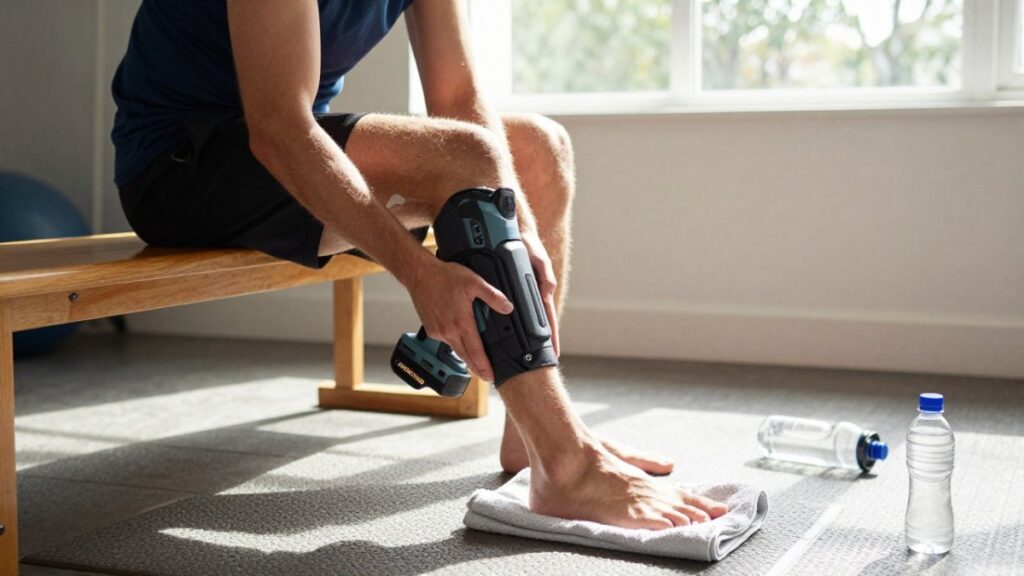
Portable cold and compression therapy is the simultaneous application of therapeutic cooling and intermittent pneumatic compression to an injured or post-operative body area, delivered through a single wearable device that operates without a fixed power source. At Swellaway, we work with physiotherapy professionals, athletic trainers, and post-operative patients who need this combination to be both clinically effective and genuinely portable.
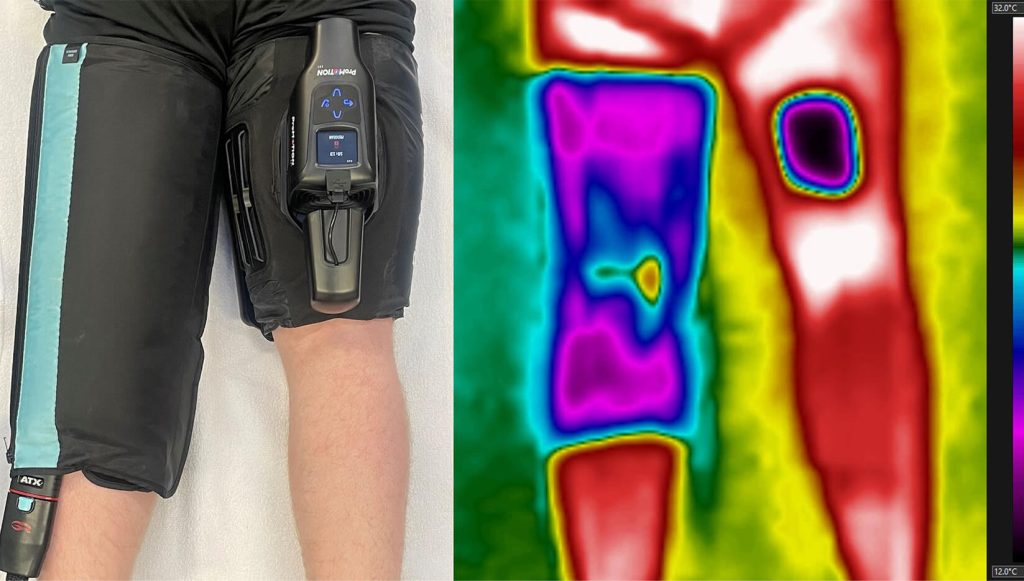
Cold reduces tissue temperature, slowing metabolic activity, constricting blood vessels, and blunting pain signal transmission. Compression adds mechanical force that limits fluid accumulation in the interstitial space. Together, they address the two primary drivers of acute musculoskeletal injury symptoms: inflammation and edema. Neither modality alone is as effective as the combination.
Portable systems remove the location constraint of fixed clinic units. A portable device brings the equipment to the patient, whether sideline, hotel room, or home in the first 72 hours after surgery.
How Cryotherapy and Intermittent Compression Work Together
Cryotherapy slows the inflammatory cascade that begins immediately after soft tissue injury. Reducing tissue temperature decreases oxygen demand in undamaged cells, limiting secondary hypoxic injury in surrounding areas. This is why early application is critical: the window for meaningful benefit is widest in the first few hours after injury.
Intermittent compression creates a pumping effect that accelerates lymphatic drainage and reduces edema. Pressure cycles improve venous return, clearing metabolic waste from the injury site. According to American Physical Therapy Association clinical resources, combining thermal and mechanical interventions addresses multiple physiological pathways simultaneously, which is why combined therapy protocols are increasingly standard in physiotherapy practice.
Adjustable flow rate settings allow clinicians to tailor compression cycles to injury stage: more aggressive cycling in the acute phase, gentler maintenance compression as healing progresses.
Targeted Body Areas: Knee, Shoulder, Ankle, and Beyond
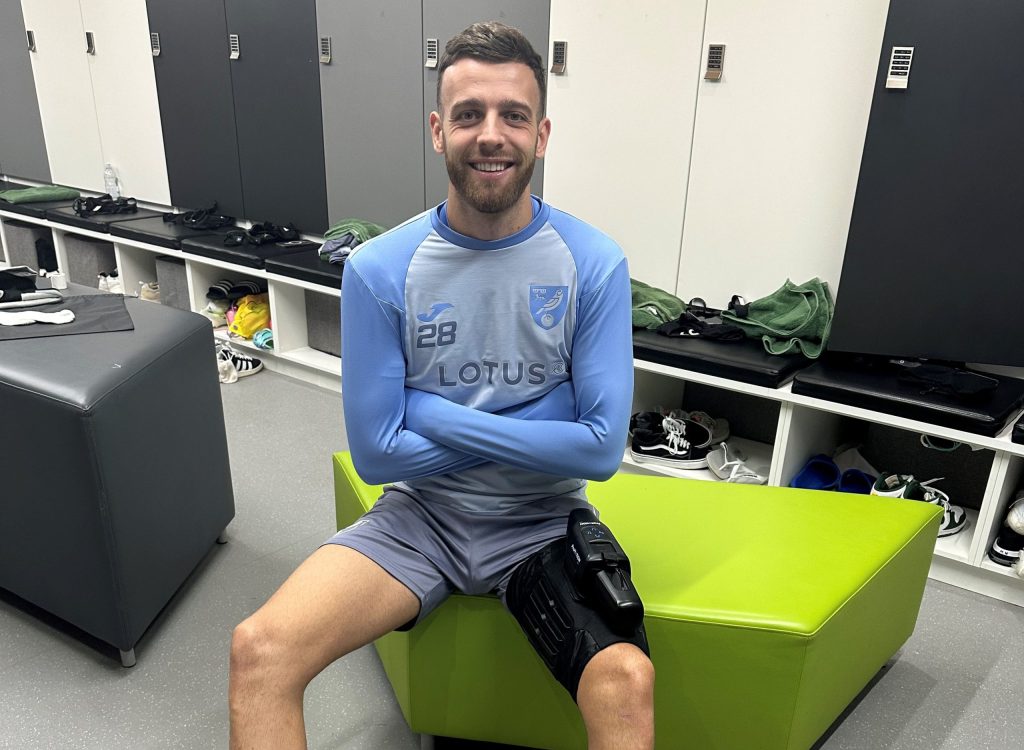
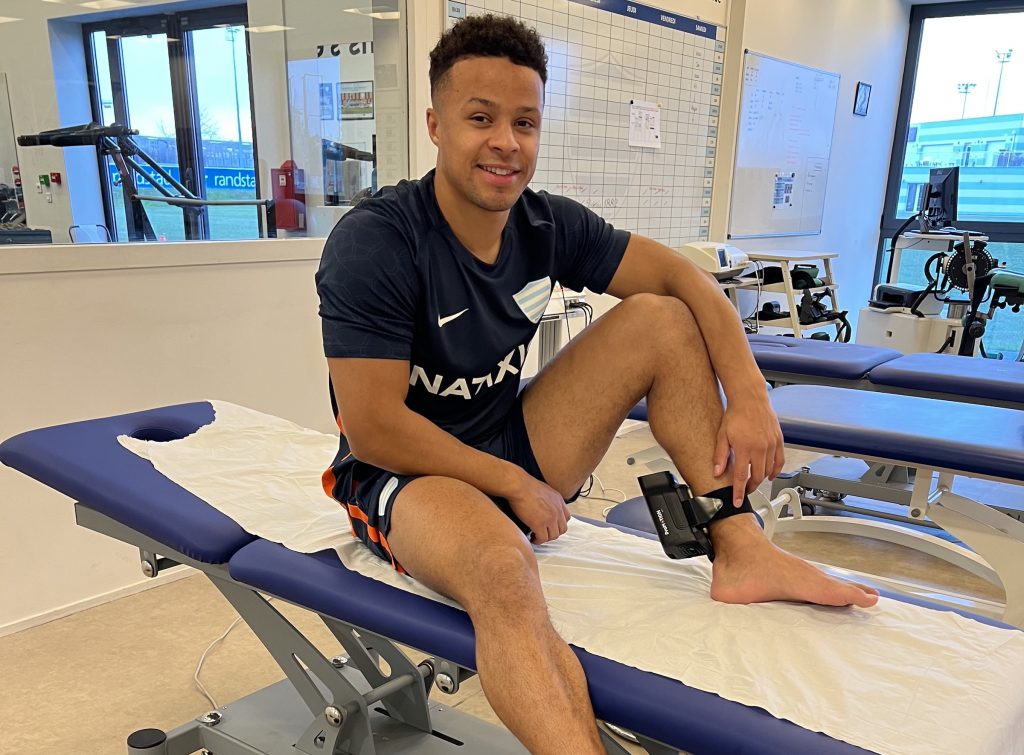
Most portable systems ship with interchangeable wraps designed for specific anatomical sites. The knee is most commonly treated, particularly after ACL reconstruction, meniscus repair, and total knee replacement. The shoulder sees frequent use in rotator cuff rehabilitation and post-labrum repair recovery. The ankle is the most common acute injury site across all sports.
Well-designed systems accommodate the lower back, hip, elbow, and wrist. The key variable is wrap fit: a compression sleeve that does not conform to joint contours will deliver uneven pressure distribution, reducing therapeutic efficacy and increasing discomfort.
Cold Compression Therapy Benefits: Pain, Swelling, and Healing
The clinical case for cold compression therapy rests on three interconnected outcomes: pain reduction, swelling control, and accelerated soft tissue healing.
Pain management is the most immediately noticeable benefit. Cold application raises the pain threshold by slowing nerve conduction velocity in sensory fibers. This effect is measurable within minutes and provides meaningful relief without systemic side effects associated with analgesic medication. For post-operative orthopedic patients, this translates to reduced reliance on opioid pain management in the early recovery phase.
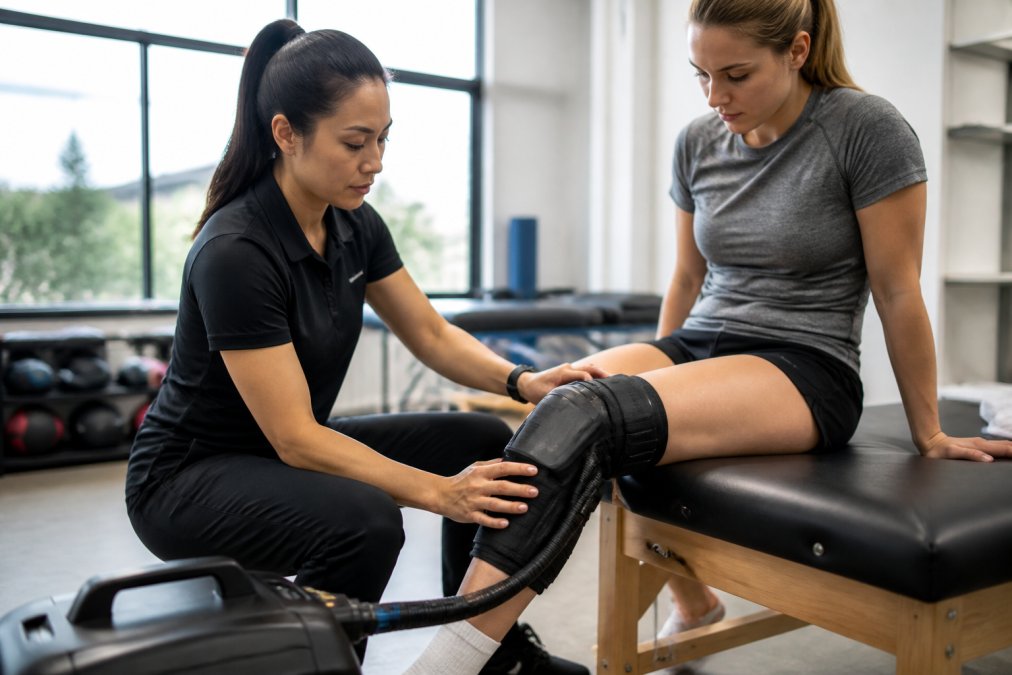
Swelling control through combined cryotherapy and pneumatic compression limits edema formation and accelerates its resolution. Excess fluid in a joint capsule mechanically restricts range of motion and inhibits muscle activation through arthrogenic inhibition. Controlling swelling early directly protects the patient's ability to begin active rehabilitation sooner.
Soft tissue healing benefits from improved circulation once the acute inflammatory phase has passed. As documented in National Institutes of Health research on cryotherapy and tissue repair, controlled thermal regulation and improved lymphatic drainage support collagen remodeling and connective tissue repair. Cold compression therapy used within a structured protocol supports this process rather than simply masking symptoms.
The real value of cold compression therapy is not just pain relief. It is the protection of the conditions necessary for active rehabilitation to begin on schedule.
Cold Therapy Machine Recovery Time: What to Realistically Expect
Recovery time with cold therapy machine use varies considerably depending on injury type, severity, patient baseline, and protocol consistency.
Acute Soft Tissue Injuries
For acute soft tissue injuries such as ankle sprains, muscle strains, and contusions, many physiotherapy professionals observe meaningful reduction in swelling and pain within 48 to 72 hours of consistent cold compression therapy use. Return to full activity timelines depend on injury grade, but structured cold compression use in the first week commonly supports faster progression through early rehabilitation milestones compared to ice pack and compression bandage approaches.
A common mistake is stopping therapy too early once acute pain subsides. Edema management and soft tissue healing continue beyond pain relief, and maintaining a protocol through the subacute phase supports better functional outcomes.
Post-Operative Orthopedic Recovery
Post-operative recovery timelines are longer and more variable. After total knee replacement, patients typically manage significant swelling and pain for several weeks. Cold compression therapy used consistently in the immediate post-operative period helps control the inflammatory response and supports earlier achievement of range-of-motion targets set by the surgical team.
Post-ACL reconstruction patients frequently use cold compression therapy for six to eight weeks during initial rehabilitation phases. The goal is not to accelerate the biological timeline of graft integration, which is fixed, but to maintain conditions that allow rehabilitation exercises to proceed without excessive pain or swelling interrupting sessions.
The American Academy of Orthopaedic Surgeons patient care resources consistently includes cryotherapy and compression as components of standard post-operative care protocols for major joint procedures.
Best Portable Compression Therapy for Athletes: What to Look For
The best portable compression therapy for athletes combines clinical-grade cooling and compression performance with practical features that survive professional sport demands: travel, multiple daily uses, variable body sites, and unpredictable power access.
The most important specification is consistency: does the device maintain its set parameters reliably across a full session on battery power without degradation?
| Feature | Why It Matters | What to Look For |
|---|---|---|
| Battery life | Determines usability during travel and tournaments | Sufficient for multiple full sessions per charge |
| Temperature range | Controls depth and precision of cryotherapy | Adjustable, not preset modes only |
| Compression modes | Matches therapy to injury stage | Intermittent and continuous options |
| Wrap compatibility | Covers multiple body areas | Interchangeable wraps for knee, shoulder, ankle |
| Weight and form factor | Affects transport and setup time | Compact enough for a standard medical kit bag |
| Programmable settings | Enables protocol-based use | Clinician-adjustable parameters |
Cordless vs. Corded Systems: Power Source Trade-Offs
Corded systems offer unlimited session duration and consistent power output, appropriate for fixed clinic settings. Cordless systems introduce a battery capacity constraint. A device that performs well for the first two sessions but delivers reduced compression pressure by the third is not a reliable clinical tool.
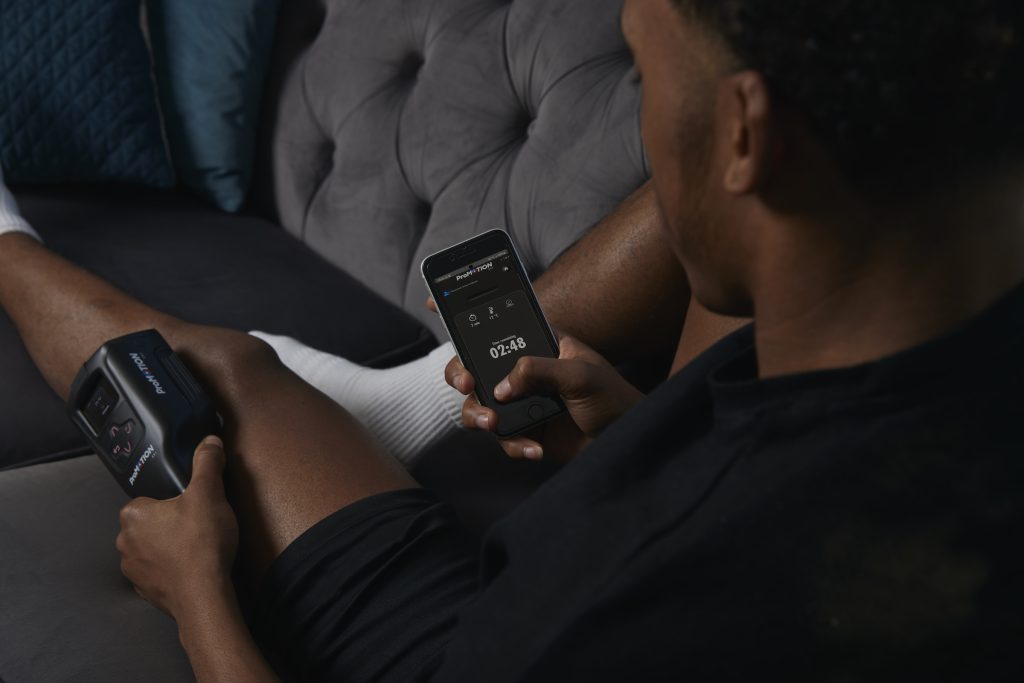
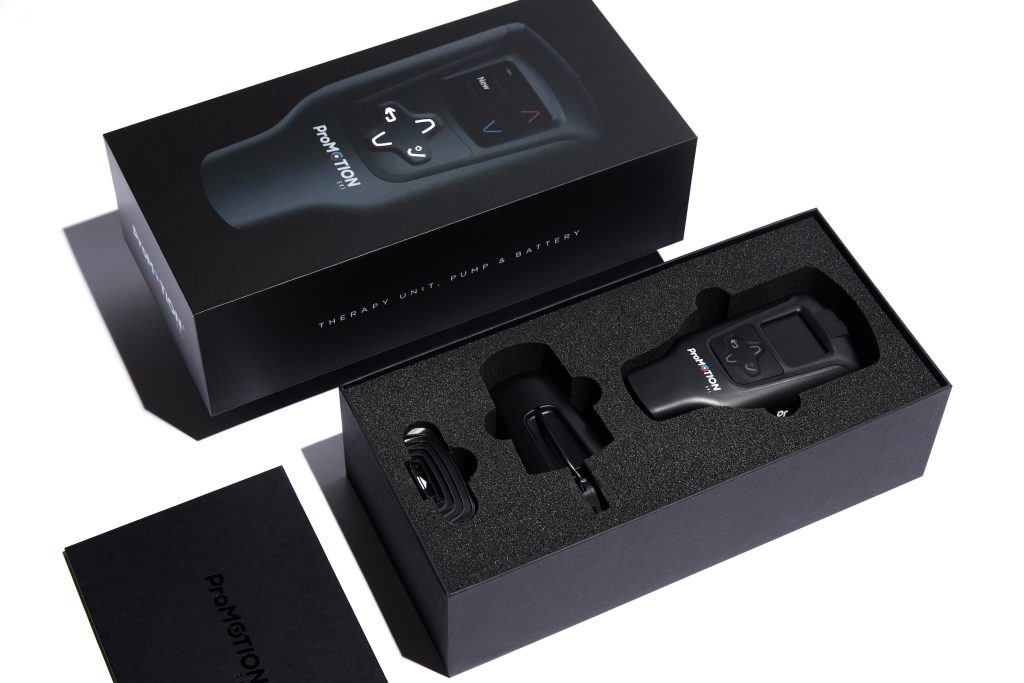
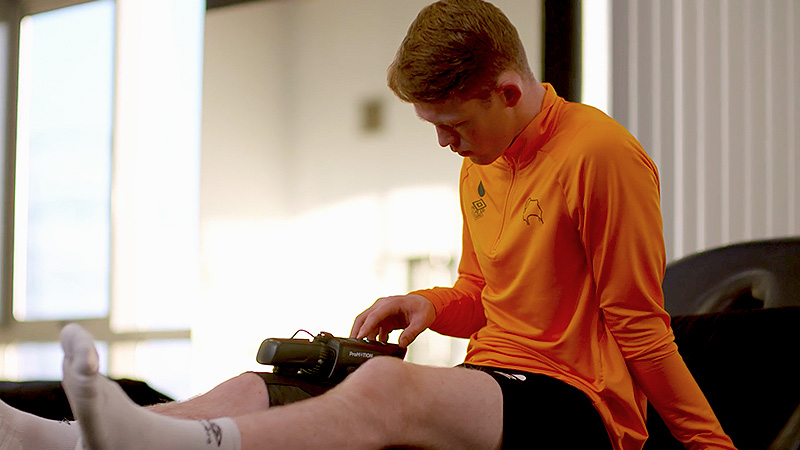
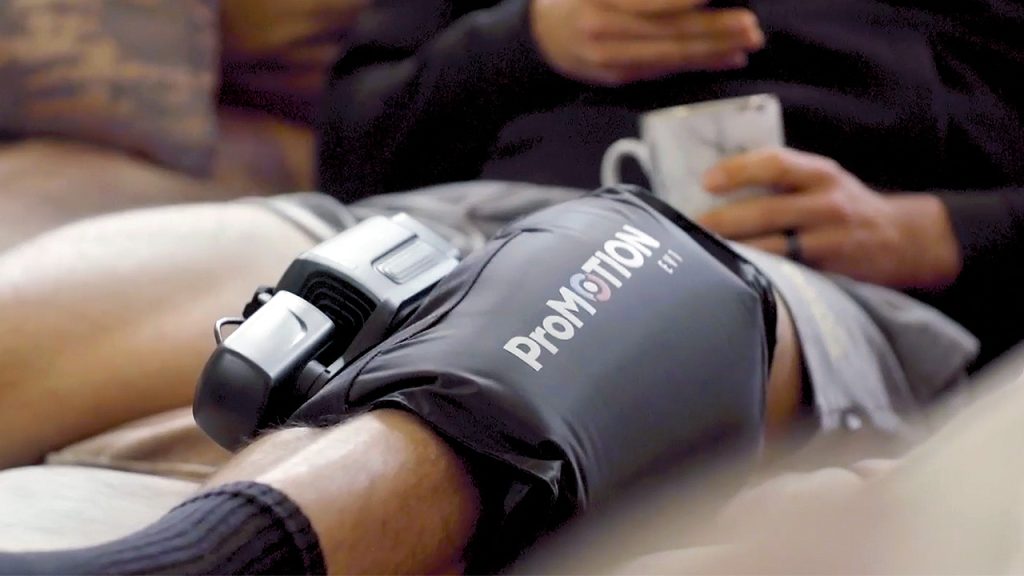
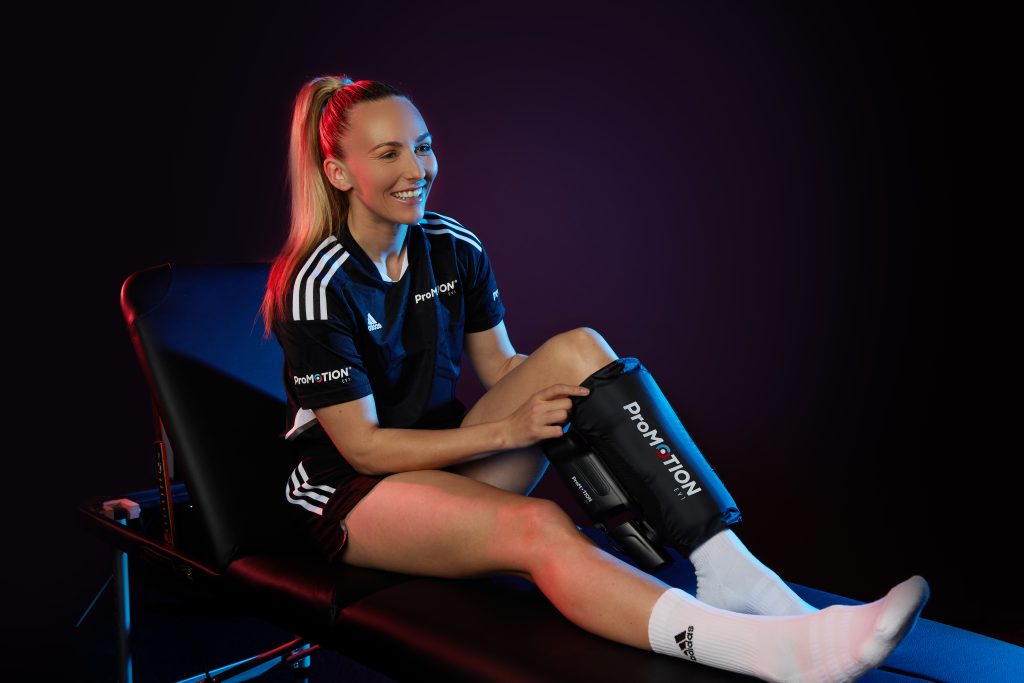
The ProMOTION EV1 from Swellaway is designed specifically around this constraint. Its cordless operation was engineered from the ground up for portability, combining cryotherapy, heat therapy, and compression in a single unit that operates without compromising therapeutic parameters across multiple sessions.
When evaluating any cordless cold compression device, ask specifically about performance across a full day of use, not just the first session. Battery degradation under real-world conditions is rarely disclosed in product specifications.
Portable vs. Stationary Clinic Equipment
Stationary clinic systems deliver reliable performance in controlled environments. Their limitations become apparent when the patient needs treatment outside that environment.
Portable cold and compression therapy bridges the gap between clinic-grade treatment and the reality of athlete schedules, home recovery, and travel demands. The trade-off is not clinical quality; it is setup time and session duration per charge. For most professional sports applications and home recovery scenarios, this trade-off strongly favors portability.
How to Use Portable Cold and Compression Therapy: Session Protocols
Effective portable cold and compression therapy requires a structured protocol, not ad hoc application whenever pain spikes.
Step-by-Step Setup and Application
What You'll Need:
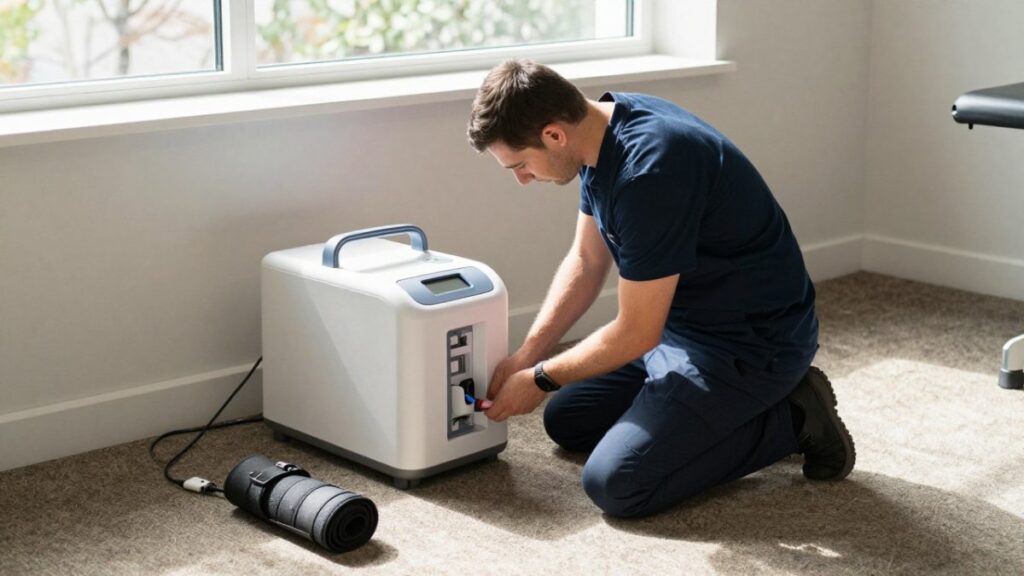
- The portable cold and compression therapy unit, fully charged
- The appropriate wrap for the target body area
- A thin cloth barrier if the patient has sensitive skin or is in the early post-operative phase
- A timer or the device's built-in session management function
Session Setup:
- Confirm the device is charged and wraps are clean and dry
- Select the correct anatomical wrap for the treatment site
- Position the patient comfortably with the target area accessible and slightly elevated where possible
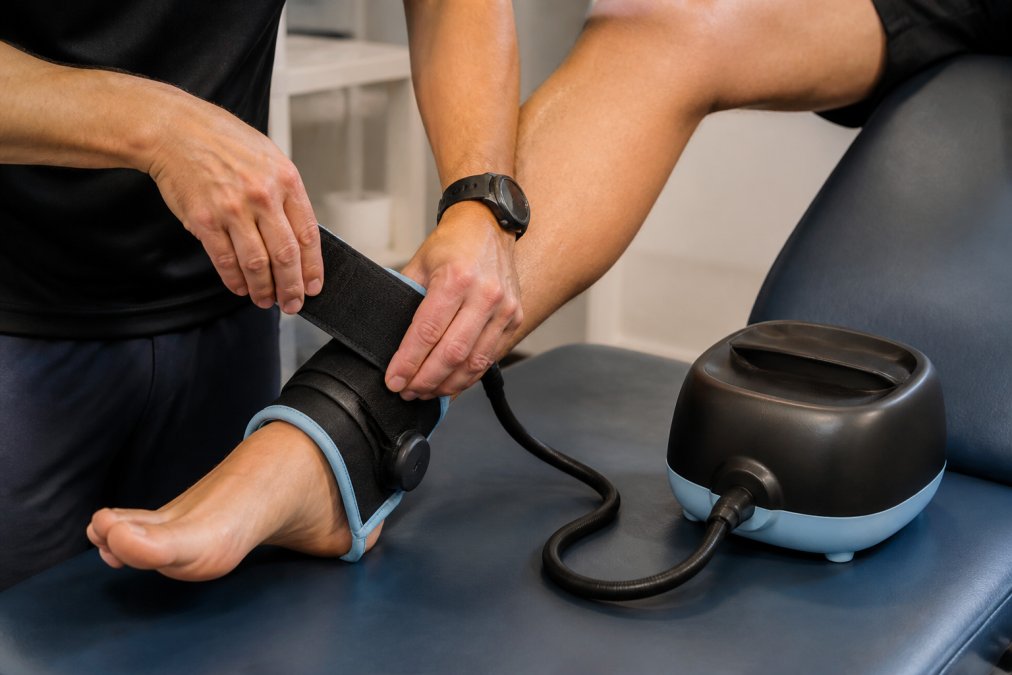
- Apply the wrap according to the manufacturer's fitting guide, ensuring even contact across the joint surface
- Set the temperature parameter: cooler settings for acute injury, moderate cooling for subacute and post-operative phases
- Set the compression mode: intermittent compression for edema management, continuous for joint stabilization during early mobilization
- Start the session and monitor patient comfort during the first two minutes
Recommended Session Length and Frequency
Session length and frequency recommendations vary by injury phase:
| Phase | Session Length | Frequency | Primary Goal |
|---|---|---|---|
| Acute (0-72 hours) | 15-20 minutes | Every 2-3 hours while awake | Edema control, pain management |
| Subacute (72 hours - 2 weeks) | 20-30 minutes | 3-4 times daily | Continued swelling reduction, tissue healing |
| Post-operative early (week 1-2) | 20-30 minutes | 4-6 times daily as directed | Pain management, range-of-motion support |
| Rehabilitation phase | 15-20 minutes | Pre- and post-exercise | Recovery support, inflammation control |
Always follow the guidance of the treating clinician, particularly in post-operative contexts where the surgical team may have specific protocol requirements.
Never apply cold compression therapy directly over an open wound, suture line, or skin graft. In post-operative patients, confirm with the surgical team that the application site is appropriate before beginning therapy.
Contraindications and Safety Warnings
Cold compression therapy is not appropriate for every patient or every clinical situation.
Absolute contraindications include:
- Peripheral arterial disease or significant circulatory compromise in the target limb
- Raynaud's phenomenon or cold hypersensitivity
- Open wounds, active infection, or compromised skin integrity at the application site
- Deep vein thrombosis or suspected DVT in the target limb
- Impaired sensation in the treatment area, which prevents the patient from reporting discomfort or thermal injury
Relative contraindications requiring clinical judgment:
- Diabetes with peripheral neuropathy
- Severe cardiac or respiratory conditions
- Patients on anticoagulant therapy, where compression settings require careful adjustment
- Very young children and elderly patients with fragile skin
Temperature precision matters more than many practitioners acknowledge. A device with only preset temperature modes provides inadequate control for patients with sensitive skin or compromised circulation. Precise, adjustable temperature control is a safety requirement for clinical use.
The American College of Sports Medicine position statements on cryotherapy safety provide additional guidance on safe application parameters for athletic and clinical populations.
Patients who cannot communicate discomfort reliably, including those with cognitive impairment or heavy sedation, require direct supervision throughout every cold compression therapy session. Do not leave these patients unattended with active therapy.
Common Mistakes That Slow Recovery
Most recovery setbacks with cold compression therapy trace back to a handful of consistent errors.
Applying too long in the acute phase. Sessions exceeding 20 minutes in the first 72 hours can trigger reactive vasodilation that temporarily increases blood flow and counteracts the anti-inflammatory effect. Shorter, more frequent sessions outperform long, infrequent ones in the acute phase.
Skipping sessions because pain has reduced. Pain reduction is an early marker, not a recovery endpoint. Edema management and tissue healing continue well beyond pain resolution. Stopping therapy when the patient feels better, rather than when the protocol is complete, is one of the most common reasons for prolonged recovery.
Using incorrect compression pressure for the injury stage. High compression pressure applied to a very acute injury with significant swelling can be uncomfortable and counterproductive. Adjustable compression modes exist to match the mechanical intervention to the current tissue state.
Poor wrap fit. A wrap that does not conform properly to the joint delivers uneven compression and inconsistent thermal contact. This is particularly problematic for shoulder and ankle applications. Take the time to fit correctly before every session.
Neglecting elevation. Cold compression therapy works best when the injured limb is elevated above heart level. Gravity-assisted drainage complements the mechanical compression effect. This simple, zero-cost addition to every session is often skipped.
Frequently Asked Questions
Does cold compression therapy work for soft tissue injuries?
Yes. Combining therapeutic cooling with intermittent compression addresses two core responses to musculoskeletal injury: it reduces localized swelling through edema management and blunts pain signals by slowing nerve conduction. Compression simultaneously promotes blood flow circulation by preventing fluid pooling. The combination is more effective than either modality alone, which is why portable cold and compression therapy has become standard in physiotherapy and orthopedic recovery settings.
How long should I use cold and compression therapy per session?
Most rehabilitation protocols recommend sessions of 15 to 20 minutes, repeated two to four times daily during the acute phase of an injury. Post-operative patients often follow a schedule set by their surgical team, which may differ. Always allow the skin to return to normal temperature between sessions. If you have sensitive skin or a circulatory condition, consult a qualified clinician before starting any cold therapy protocol, and never apply directly to bare skin without a protective barrier.
How do portable cold therapy machines differ from traditional ice packs?
Traditional ice packs deliver passive, uncontrolled cooling that drops in temperature as the ice melts and applies no compression. Portable cold and compression therapy devices maintain consistent therapeutic cooling through continuous or programmable temperature control while simultaneously delivering adjustable intermittent compression. This combination accelerates soft tissue healing more reliably, reduces the risk of ice burns from unregulated cold, and allows precise treatment of specific joints using purpose-built compression sleeves.
Is a prescription required for cold compression therapy devices?
Most portable cold and compression therapy devices are classified as general wellness or Class I medical devices by the FDA and do not require a prescription for purchase. However, certain higher-specification systems intended for post-operative recovery may carry different regulatory classifications. Always verify the device's FDA classification before purchasing, and consult your physician or licensed clinician before using any therapeutic device following surgery or if you have an underlying medical condition.
Managing recovery from soft tissue injuries or post-operative orthopedic procedures is complex, and the tools you use make a measurable difference to outcomes. Swellaway's ProMOTION EV1 combines cryotherapy, heat therapy, and compression in a single cordless unit, giving clinicians and athletes precise temperature and compression control without sacrificing portability. Book a demo with the Swellaway team to see how the ProMOTION EV1 fits your clinical or performance recovery workflow.