Table of Contents
- Portable Cold and Compression Devices: Quick Comparison
- How We Evaluated These Recovery Devices
- 1. Swellaway ProMOTION EV1: Cryotherapy, Heat, and Compression in One
- 2. Hyperice Normatec Go: Best for Travel-First Athletes
- 3. Omni Ice Pulse: Clinical-Grade Cold in a Compact Frame
- 4. Therabody JetBoots Prime: Best for Lower-Body Soreness
- 5. DonJoy Iceman Clear3: A Reliable Home Staple for Post-Op Care
- 6. Reathlete Air-C Leg Massager: Best Budget Option
- Frequently Asked Questions
Last Updated: September 6, 2026
Cold therapy and intermittent pneumatic compression are two of the most effective tools for managing soft tissue injuries, yet athletes have traditionally needed separate machines for each. Portable devices now combine these modalities, but the trade-offs between power, portability, and clinical performance are steeper than most buyers expect. This guide breaks down the 7 best portable cold and compression devices for athletes based on evaluation of therapy quality, battery life, and real-world durability.
The right device depends entirely on your context: a professional team physio transporting gear to away matches has different needs than a weekend runner icing a knee at home. Below, we compare six leading units across these use cases, including which features genuinely accelerate recovery.
Portable Cold and Compression Devices: Quick Comparison
| Device | Therapy Types | Power Source | Best For |
|---|---|---|---|
| Swellaway ProMOTION EV1 | Cryotherapy, heat, compression | Cordless | Multi-therapy recovery on the go |
| Hyperice Normatec Go | Compression only | Cordless | Travel-first athletes |
| Omni Ice Pulse | Cold + intermittent compression | Corded | Clinical-grade cold therapy |
| Therabody JetBoots Prime | Compression only | Cordless | Lower-body soreness |
| DonJoy Iceman Clear3 | Cold therapy | Corded | Post-op home recovery |
| Reathlete Air-C Leg Massager | Compression + heat | Cordless | Budget-conscious athletes |
How We Evaluated These Recovery Devices
We assessed each unit against five criteria that matter most in practice: therapy effectiveness, portability, ease of use, durability, and value. But a checklist alone doesn't help you choose. The real question is how those criteria interact for your specific use case, so here is the decision framework we applied.
The first filter is always therapy type. Cold therapy (cryotherapy) is the non-negotiable for acute injuries, sprains, strains, or post-surgical inflammation, because it induces vasoconstriction to limit swelling in the first 48 to 72 hours (peer-reviewed research). Compression, especially intermittent pneumatic compression (IPC), adds value by mechanically promoting lymphatic drainage and venous return, which helps clear metabolic waste and reduces edema. If you only need general soreness relief after training, compression-only devices are sufficient. If you are managing an injury, you need cold and compression in the same session, because sequential application, cold first to limit inflammation, then compression to move fluid, is the protocol most sports medicine practitioners follow.
The second filter is power source and portability. Corded devices like the Omni Ice Pulse or DonJoy Iceman Clear3 deliver consistent cold because they recirculate chilled water from a reservoir, but they tether you to a wall outlet and require ice management. Cordless units like the Swellaway ProMOTION EV1 or Hyperice Normatec Go free you from the outlet but must balance battery life against pump power and cooling capacity. A cordless compression-only device can run for hours on a small battery; a cordless cold-and-compression device draws significantly more power to maintain temperature, so battery life is shorter and therapy sessions are typically capped at 15 to 20 minutes per charge cycle.
The third filter is anatomical coverage. Knee and ankle wraps are the most common for acute injuries, but full-leg boots are better for post-workout systemic recovery. Some devices offer interchangeable wraps for different joints, the Swellaway ProMOTION EV1 and DonJoy Iceman Clear3 both do, while others like the Therabody JetBoots Prime are fixed to the lower leg. If you need to treat a shoulder one day and a knee the next, a multi-wrap system is worth the higher price. If you only need calves and quads, a boot system is simpler and often cheaper.
The fourth filter is control and adjustability. Clinical-grade units allow you to set precise temperature (typically between 40°F and 60°F for cold therapy) and compression pressure (usually measured in mmHg). The Omni Ice Pulse offers digital control of compression cycles, which is essential for tailoring treatment to injury stage. Budget units like the Reathlete Air-C Leg Massager offer preset intensity levels but less granularity. For acute injury management, precise control matters because too-cold or too-high-pressure settings can cause tissue damage or discomfort.
The fifth filter is total cost of ownership. The purchase price is only the beginning. Replacement wraps are consumable items that wear out with repeated use and washing, expect to replace them every 6 to 12 months with regular use. Some manufacturers, like Swellaway and DonJoy, sell replacement pads and wraps separately; others require you to buy a whole new system if a component fails. Check whether the device has a published maintenance schedule and whether parts are readily available before you commit.
Clinical guidance on cold and compression therapy duration is consistent across sports medicine protocols: acute injuries typically respond to 15-20 minute sessions, repeated every 2-3 hours during the first 48 hours (aaos.org). Devices that support intermittent compression during the cold cycle enhance edema reduction through lymphatic drainage, a key advantage over static ice packs. According to the American Academy of Orthopaedic Surgeons' guidance on soft tissue injuries, early management of swelling directly influences recovery timelines.
Do not apply cold therapy for longer than 20 minutes per session on a single joint, and always place a thin barrier (like a cloth) between the wrap and skin to prevent frostbite. If you have circulatory issues, diabetes, or peripheral neuropathy, consult a physician before using compression devices.
1. Swellaway ProMOTION EV1: Cryotherapy, Heat, and Compression in One
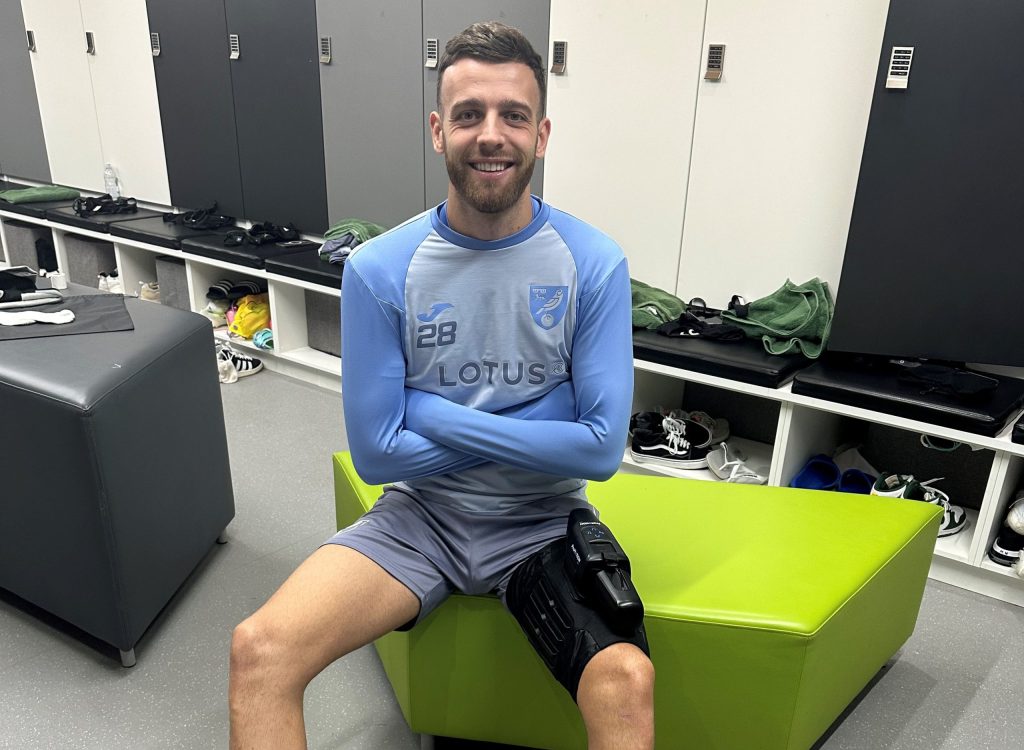
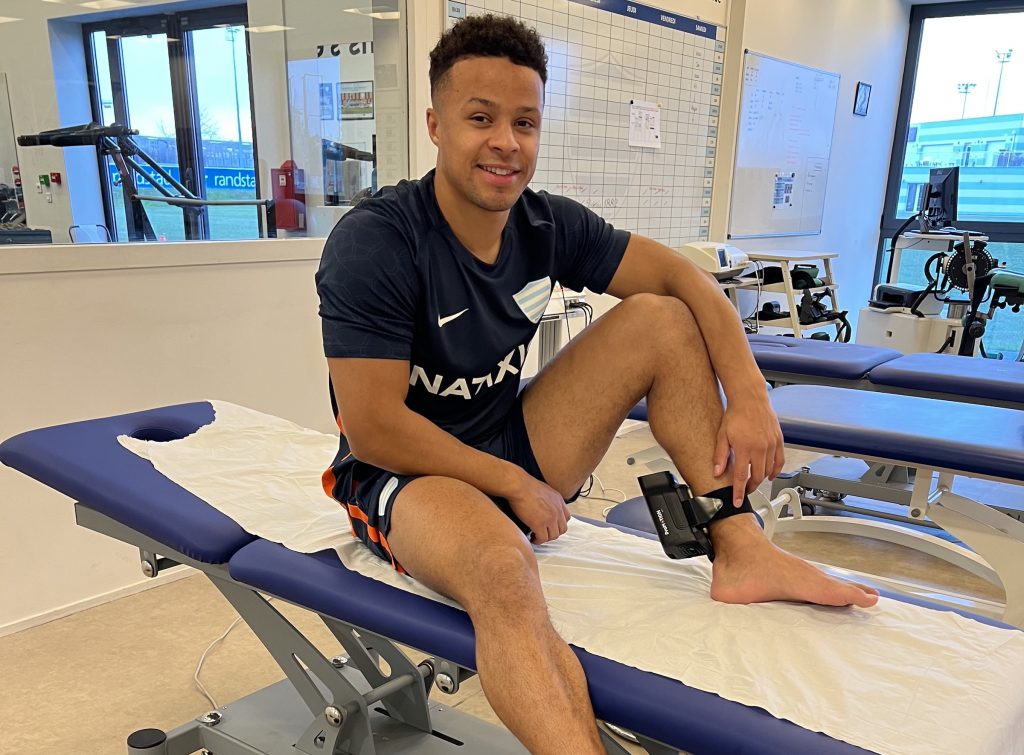
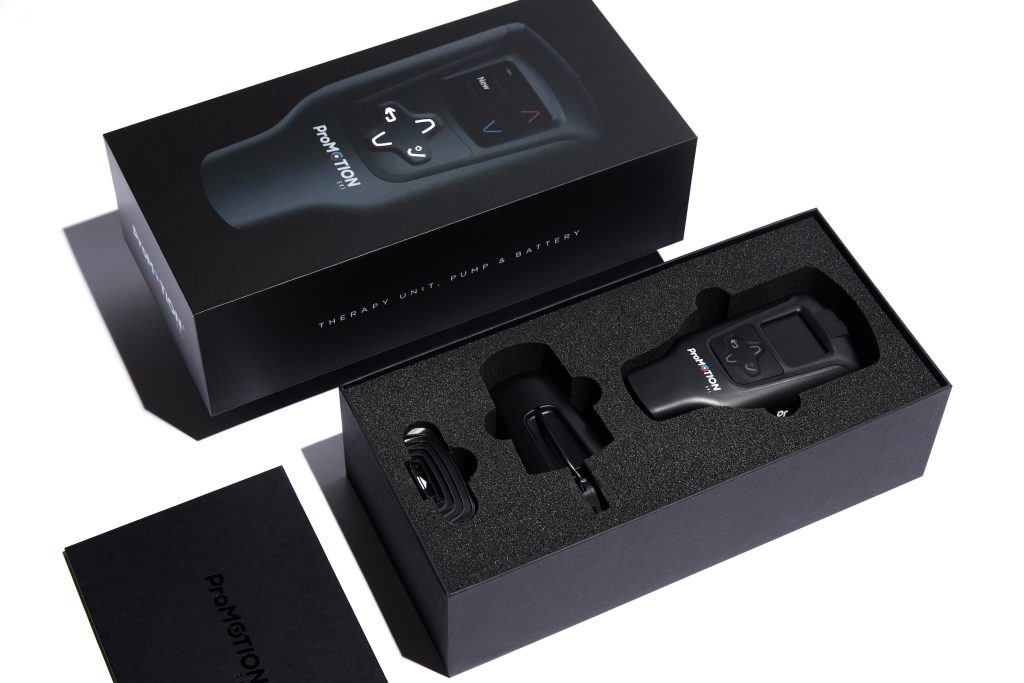
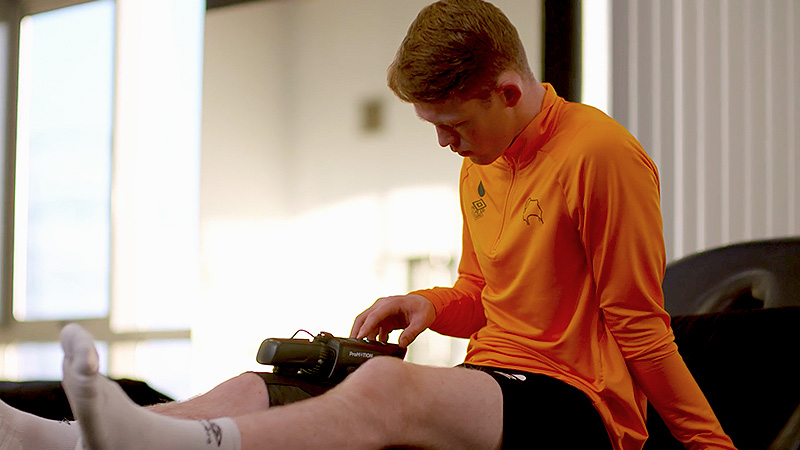
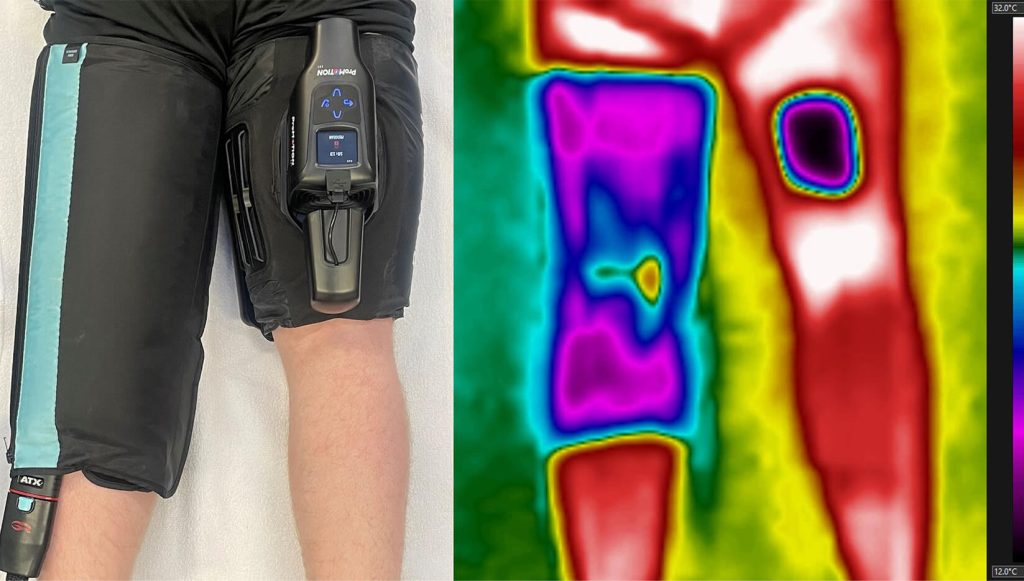
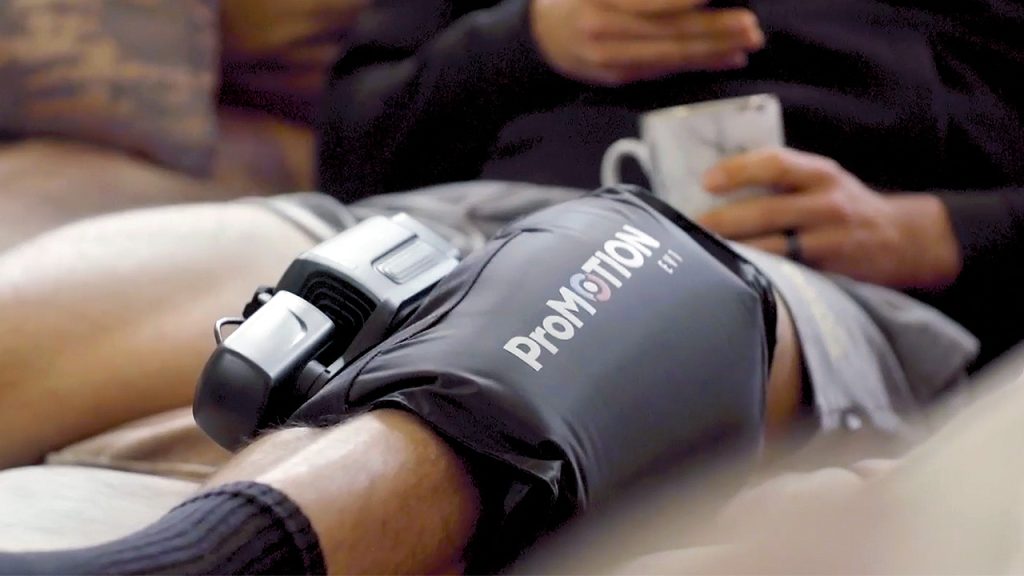
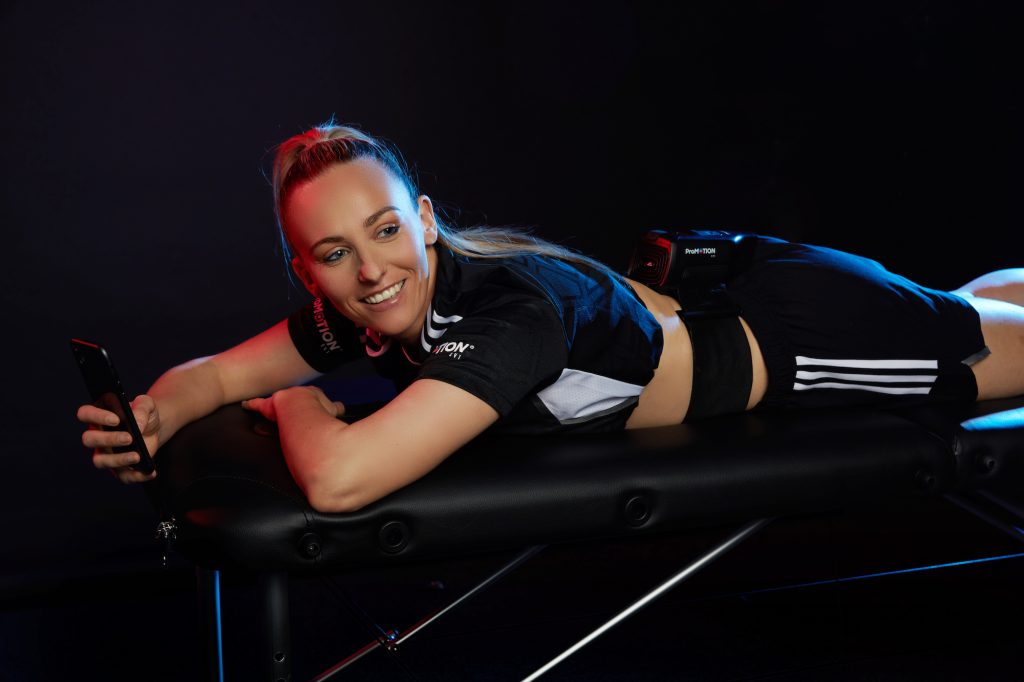
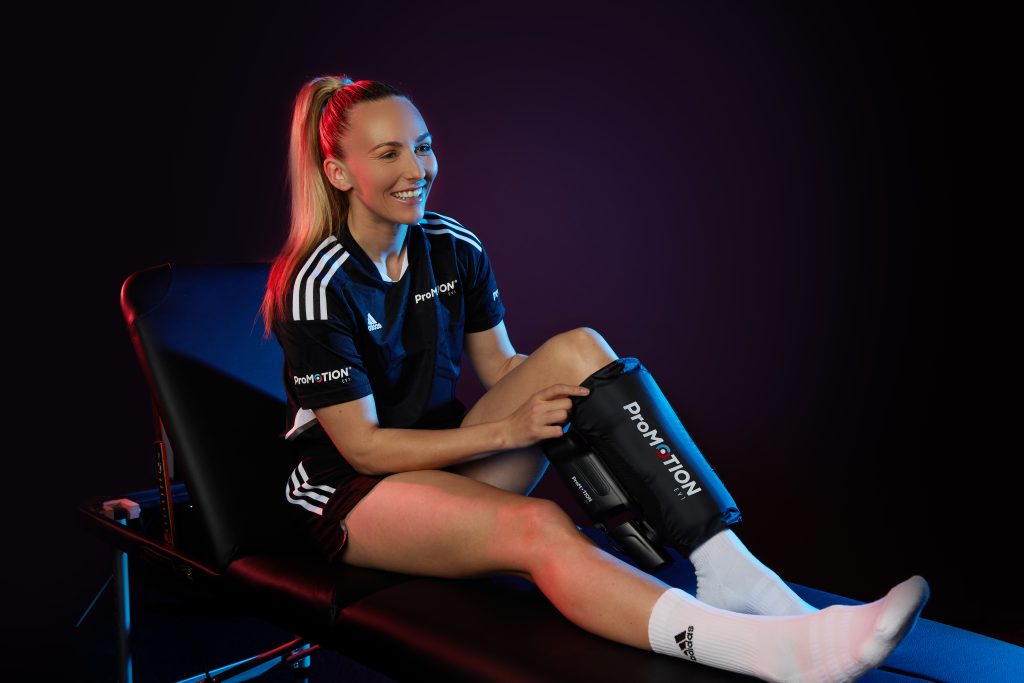
Our top pick is the Swellaway ProMOTION EV1 because it is the only device in this lineup that delivers targeted cryotherapy, heat therapy, and compression in a single cordless unit. Most portable systems force athletes to choose between cooling and compression; the ProMOTION EV1 combines them with precise temperature and compression control, allowing physiotherapists to tailor treatment to the specific injury stage.
The practical advantage is significant. Post-exercise, cryotherapy induces vasoconstriction to limit inflammation. During recovery phases, heat therapy promotes circulatory enhancement and tissue elasticity. Having both modalities in one anatomical wrap design means clinics and athletes can manage the full rehabilitation arc without purchasing separate systems.
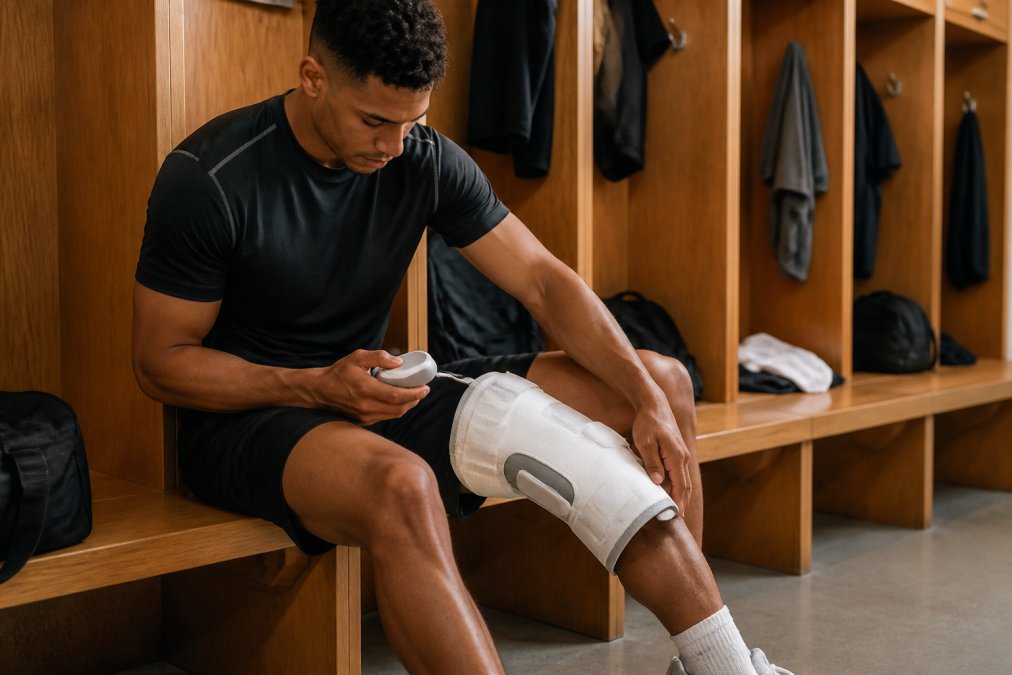
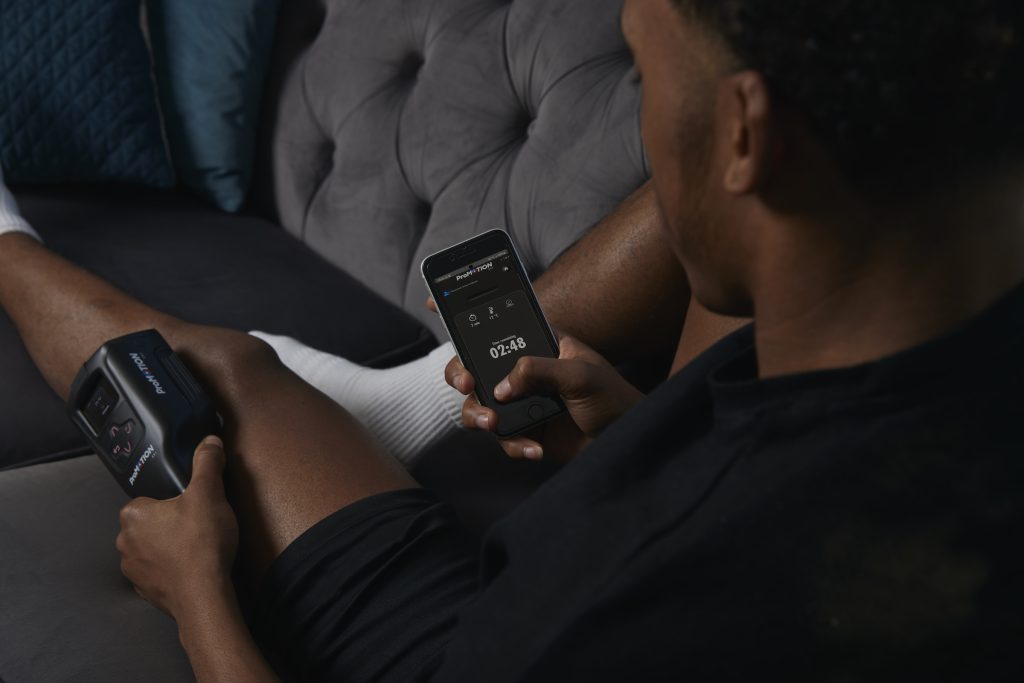
For professional teams, the cordless design removes the tether to wall outlets and coolers during tournaments. The device also includes tools to monitor usage outside the treatment room, which helps athletic trainers track compliance between clinic visits. Swellaway's technology is used by professional athletes and is the official lead sponsor of the Football Medical & Performance Association, reflecting its acceptance in elite sports medicine settings.
For athletes managing acute injuries through to return-to-play, the combination of cryotherapy, heat, and compression in one cordless unit provides a versatile solution.
2. Hyperice Normatec Go: Best for Travel-First Athletes
The Hyperice Normatec Go is a fully wireless compression system designed for athletes who need recovery on planes, in hotel rooms, or on team buses. It requires no external hoses or control unit, and its HyperSync technology synchronizes massage patterns through a Bluetooth-connected app. Battery life is rated at 3 hours per charge.
Where it wins: portability. The Normatec Go slips into a carry-on bag and operates anywhere. Where it falls short: it provides compression only. For athletes dealing with acute injuries or significant joint inflammation, the lack of cold therapy means they will still need a separate cooling solution. At a starting price of $399.00, it is a reasonable investment for travel-focused recovery, but it is not a comprehensive injury management tool.
Athletes who prioritize portability above all else and already have access to cold therapy through other means, such as team facilities or ice baths.
3. Omni Ice Pulse: Clinical-Grade Cold in a Compact Frame
The Omni Ice Pulse delivers intermittent pneumatic compression alongside targeted cooling through a compact, travel-friendly footprint. Its user-friendly digital interface allows precise adjustment of compression cycles, making it a strong option for athletes who want clinical-grade cold therapy without the bulk of stationary hospital units.
The trade-off is practical: because it relies on cold water circulation, the Omni Ice Pulse is not cordless. Users must remain near a power source and manage ice levels during treatment. This limits its usefulness for on-field applications or travel. For clinic-based rehabilitation where a wall outlet is available, however, it delivers reliable, consistent cold therapy with effective edema reduction.
4. Therabody JetBoots Prime: Best for Lower-Body Soreness
Therabody's JetBoots Prime are wireless compression boots that target post-workout muscle soreness in the legs. They use an integrated pump design with TruGrade technology for safe, precise pressure delivery, and offer four preset time and pressure settings. Battery life extends to 180 minutes.
These boots excel at active recovery after heavy training sessions. The pneumatic compression encourages circulatory enhancement and lymphatic drainage, which helps flush metabolic waste from fatigued muscles. At $699.00, they are a premium investment, and the lack of cold therapy means they serve recovery rather than acute injury management. Athletes with lower-body focus who already have icing protocols in place will find them valuable; those needing inflammation control will not.
5. DonJoy Iceman Clear3: A Reliable Home Staple for Post-Op Care
The DonJoy Iceman Clear3 is a recirculating cold therapy unit widely used in home-based rehabilitation following orthopedic surgery. Its patented semi-closed loop system maintains consistent cold temperatures, and the clear cooler design makes monitoring ice levels simple. A range of wrap-on pads accommodates different joints.
This is a dependable, durable workhorse for post-operative recovery when patients need prolonged, consistent cooling. The limitation is that compression is passive or limited; the Iceman Clear3 does not deliver the intermittent pneumatic compression that enhances edema reduction in acute phases. For patients managing pain and swelling after surgery, it is a solid choice, but clinicians should pair it with active compression protocols where indicated.
6. Reathlete Air-C Leg Massager: Best Budget Option
The Reathlete Air-C Leg Massager offers portable air compression with multiple intensity levels and integrated heat therapy at a $199.00 price point. Its rechargeable battery and adjustable fit make it accessible for athletes seeking daily recovery massage without a clinical-grade investment.
The honest assessment: it is less powerful than the clinical-grade systems in this list, and its heat therapy is not targeted cryotherapy. For budget-conscious athletes managing routine post-workout soreness rather than acute injuries, it delivers functional compression and warmth. Those recovering from soft tissue injuries requiring cold therapy will need to look at the ProMOTION EV1 or Omni Ice Pulse instead.
| Device | Starting Price | Therapy Type | Portability | Best Use Case |
|---|---|---|---|---|
| Swellaway ProMOTION EV1 | Contact for pricing | Cold, heat, compression | Cordless | Full-spectrum injury recovery |
| Hyperice Normatec Go | $399.00 | Compression | Cordless | Travel recovery |
| Omni Ice Pulse | Contact for pricing | Cold + compression | Corded | Clinic-based cold therapy |
| Therabody JetBoots Prime | $699.00 | Compression | Cordless | Lower-body soreness |
| DonJoy Iceman Clear3 | Contact for pricing | Cold | Corded | Post-op home care |
| Reathlete Air-C Leg Massager | $199.00 | Compression + heat | Cordless | Budget daily recovery |
Maintenance and Hygiene Protocols
A factor most buyer's guides ignore is how these devices hold up under repeated use. Compression wraps and boots contact skin directly and accumulate sweat and bacteria. Units with removable, washable sleeves are significantly easier to maintain in clinic settings where multiple patients use the same device daily. Check whether the manufacturer offers replacement wraps, as these are consumable items that wear out with regular use. Following the manufacturer's cleaning guidance preserves both hygiene and the integrity of the anatomical wrap design.
Integrating Cold Compression with Other Recovery Modalities
Cold and compression therapy works best as one component of a structured recovery protocol rather than a standalone solution. Many sports medicine practitioners pair intermittent compression sessions with active recovery, stretching, and gradual load progression. The therapeutic temperature control from cryotherapy addresses the acute inflammatory phase, while compression supports venous return and lymphatic drainage between treatments. For athletes returning from injury, combining these modalities with a physiotherapist-guided rehabilitation program produces the most consistent outcomes.
Choosing the right portable recovery system comes down to matching therapy capabilities to your specific injury profile and setting. Single-modality compression devices serve general soreness, but athletes managing acute soft tissue injuries need cold therapy and compression to work together. The Swellaway ProMOTION EV1 is the only device in this comparison that delivers cryotherapy, heat therapy, and compression in one cordless unit, with precise temperature and compression control and usage monitoring tools. Book a demo with Swellaway to see how the ProMOTION EV1 fits into your recovery protocol.
Frequently Asked Questions
What is the difference between static ice packs and active cold compression systems?
Static ice packs cool the skin surface but do little to manage swelling deep in the tissue. Active cold compression systems combine cold therapy with intermittent pneumatic compression. The compression cycles push fluid away from the injured area, which reduces edema and joint inflammation more effectively than ice alone. This active approach also helps maintain circulation, which can speed up recovery after a soft tissue injury.
How does portable cold and compression therapy improve recovery time?
Portable cold and compression therapy improves recovery time by combining vasoconstriction from cold with the mechanical action of compression. Cold reduces pain and inflammation, while the compression sleeves act like a pump to improve lymphatic drainage and reduce swelling. This combination supports active recovery and helps you regain range of motion sooner after a strain or post-operative swelling episode.
What should athletes look for when buying a portable compression device?
Athletes should prioritize battery life, adjustable pressure settings, and whether the unit delivers cold therapy or only compression. A cordless design matters if you travel frequently, but check the battery life against your treatment needs. Look for anatomical wrap designs that fit the injured joint properly and a user-friendly interface for setting treatment duration and compression levels during home-based rehabilitation.
Can I use a portable cold compression device for chronic conditions?
Portable cold compression devices are generally designed for acute injuries and post-exercise recovery, but they can also help manage flare-ups from chronic soft tissue conditions. The cold reduces joint inflammation and pain, while compression provides support and reduces swelling. If you have a chronic condition like arthritis, check with your physical therapist before using cold therapy for extended periods to avoid stiffness.