Table of Contents
- What You'll Need for At-Home Sports Injury Recovery
- Step 1: Immediate Care Using the R.I.C.E. Method
- How to Speed Up Ankle Sprain Recovery
- Managing Post-Surgical Swelling at Home
- Benefits of Contrast Therapy for Athletes
- Nutrition, Hydration, and Sleep for Tissue Repair
- Common Mistakes and Red Flags to Avoid
- Conclusion
- Frequently Asked Questions
Last Updated: September 17, 2026
What You'll Need for At-Home Sports Injury Recovery
Rapid recovery for sports injuries at home starts with a small kit, most athletes already own half of it. (Source: the National Institutes of Health (NIH) on the R.I.C.E. protocol)
Gather these before you need them:
- Cold source: flexible gel packs or a sealed bag of frozen peas that conforms to the joint
- Heat source: a microwaveable moist heat pack or a warm shower attachment
- Compression: elastic bandage, compression sleeve, or kinesiology tape
- Elevation tools: two firm pillows, or a wedge if you have one
- Support: crutches or a walking boot if weight-bearing hurts
- Tracking: a notebook or phone app for swelling, pain, and range of motion
- Hydration: a marked water bottle, so intake is measurable rather than guessed
Step 1: Immediate Care Using the R.I.C.E. Method
The R.I.C.E. method is a four-part protocol, rest, ice, compression, elevation, applied within the first 48 hours of an acute injury to limit swelling and protect the injured tissue. It remains the standard first-aid framework, though "rest" now means relative rest, not total immobilization.
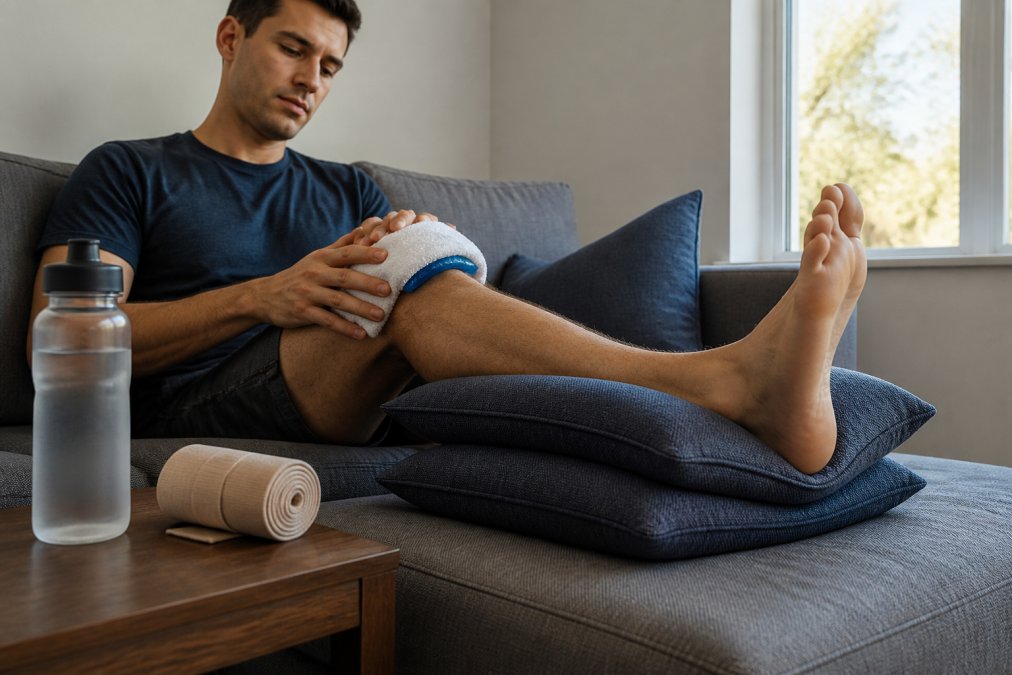
Apply it in this order:
- Rest. Stop the activity immediately. Protect the area from further load for the first 24 to 48 hours.
- Ice. Apply cold for 15 to 20 minutes every 2 to 3 hours during the acute phase.
- Compression. Wrap from below the injury upward, snug but never numbing or tingling.
- Elevation. Position the limb above heart level whenever you're sitting or lying down.
Cold vs. Heat Therapy: When to Use Each
Cold therapy is for the first 48 to 72 hours after an acute injury; heat therapy is for stiffness, muscle tightness, and the later stages of healing. Getting this backwards is the most common home-treatment error.
| Phase | Therapy | Why | Typical Duration |
|---|---|---|---|
| First 48-72 hours | Cold | Narrows blood vessels, limits swelling and numbing pain | 15-20 minutes, every 2-3 hours |
| Day 3 onward, stiffness | Heat | Increases blood flow, relaxes tight muscle | 15-20 minutes, 2-3 times daily |
| Chronic ache, no swelling | Heat | Eases muscle tightness before activity | 10-15 minutes pre-activity |
| Post-exercise flare-up | Cold | Calms inflammation after loading | 10-15 minutes post-activity |
Never apply ice directly to bare skin, and never leave a cold pack on for more than 20 minutes at a stretch. Prolonged exposure can cause cold burns and, in rare cases, nerve damage. Always use a thin cloth barrier.
How to Speed Up Ankle Sprain Recovery
Learning how to speed up ankle sprain recovery comes down to early protected movement, not prolonged immobilization. Ligaments need controlled loading to heal with proper alignment.
The progression most clinicians follow:
- Days 1-3: R.I.C.E. plus gentle pain-free range of motion, tracing the alphabet with your foot.
- Days 3-7: Begin partial weight-bearing as tolerated. Add seated calf raises.
- Week 2: Introduce balance work, standing on the injured leg with eyes open, then closed.
- Weeks 3-6: Progress to hopping, lateral shuffles, and sport-specific cutting drills.
Test readiness with the single-leg hop test: hop the same distance on the injured leg as the healthy one, without pain or a feeling of giving way. Most people fail this long after they feel "fine."
Managing Post-Surgical Swelling at Home
Managing post-surgical swelling at home requires consistency more than intensity. Swelling peaks in the first 72 hours and can persist for weeks; uncontrolled swelling is a main reason patients lose range of motion after orthopedic surgery.
What actually moves the needle:
- Elevate above heart level for 20 to 30 minutes, several times daily, not just at night
- Compression as directed by your surgical team, checked for fit twice a day
- Cold therapy on a fixed schedule for the first several days
- Ankle pumps and gentle range of motion as cleared by your surgeon, to keep circulation moving
- Incision care exactly as instructed, with no soaking until cleared
Swelling is not just uncomfortable, it physically restricts joint movement and slows the return of strength. Controlling it early is the highest-use thing a post-op patient can do at home.
Benefits of Contrast Therapy for Athletes
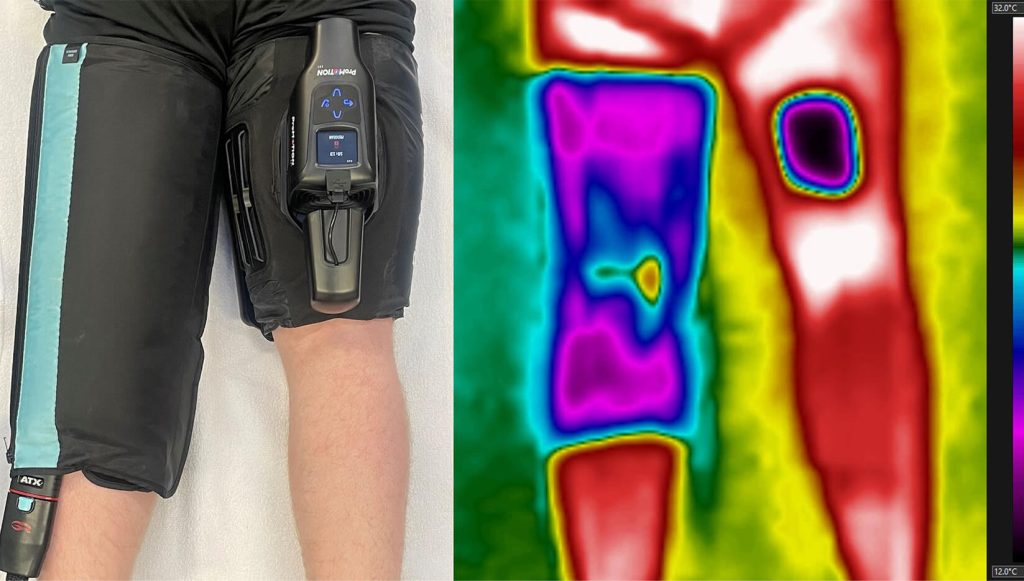
Contrast therapy alternates cold and heat exposure to drive blood flow in and out of the tissue, and athletes use it to reduce stiffness and speed the feeling of recovery between training sessions. Cold constricts vessels, heat dilates them, and the cycle acts like a pump for circulation.
Typical protocol:
- 1 minute cold, 3 minutes heat, repeated 3 to 5 times
- End on cold if the goal is reducing inflammation
- End on heat if the goal is preparing for activity
- Keep total session time under 30 minutes
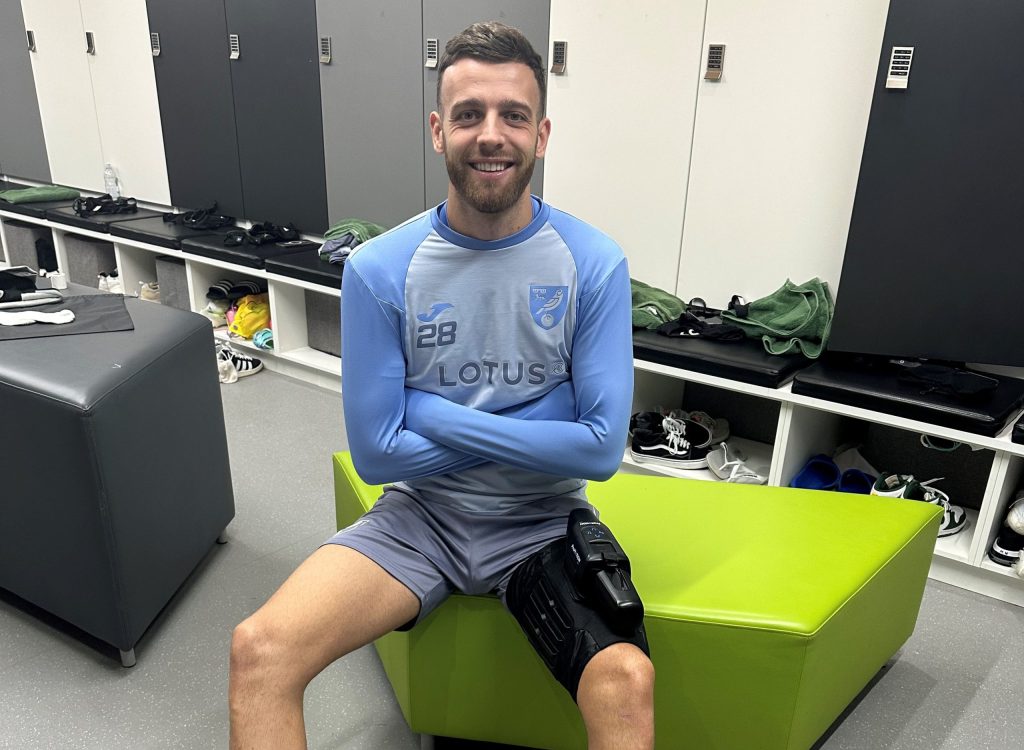
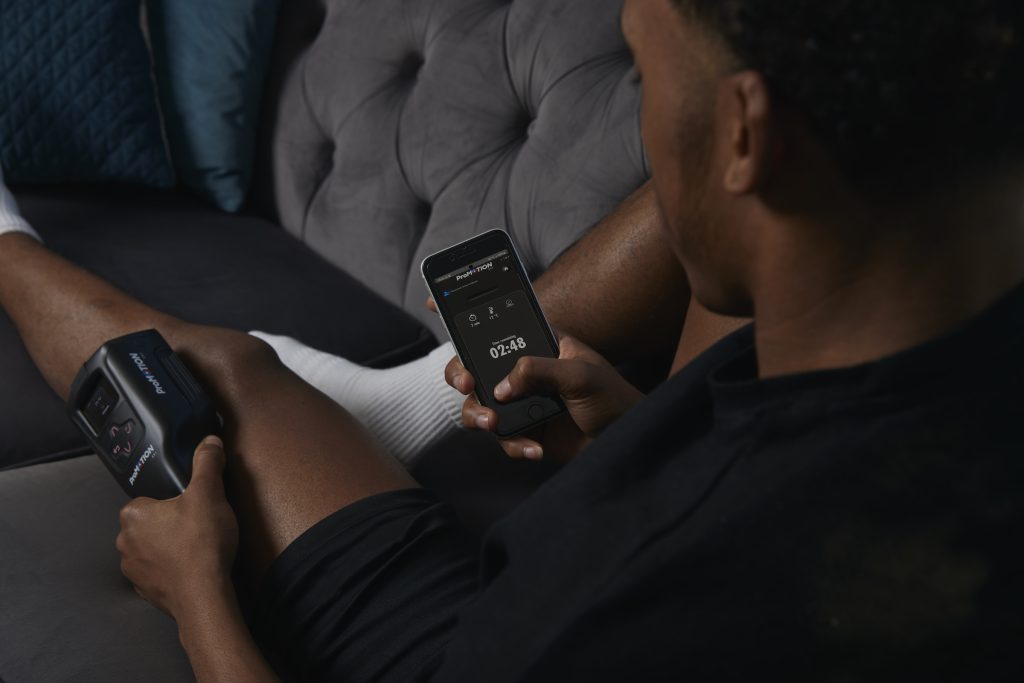
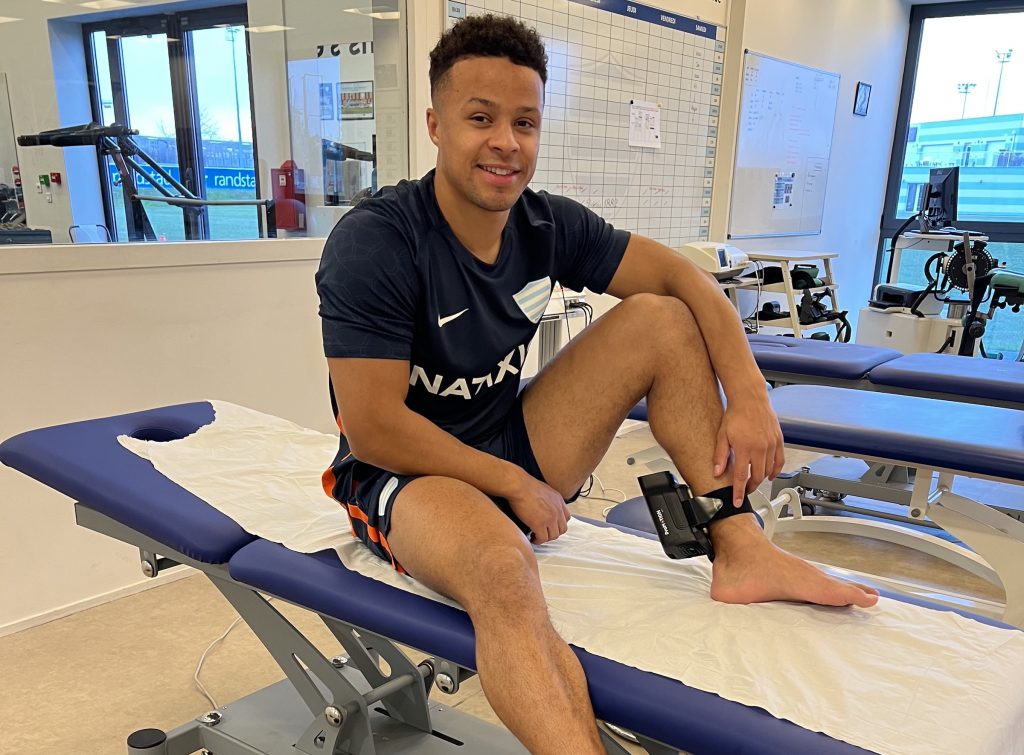
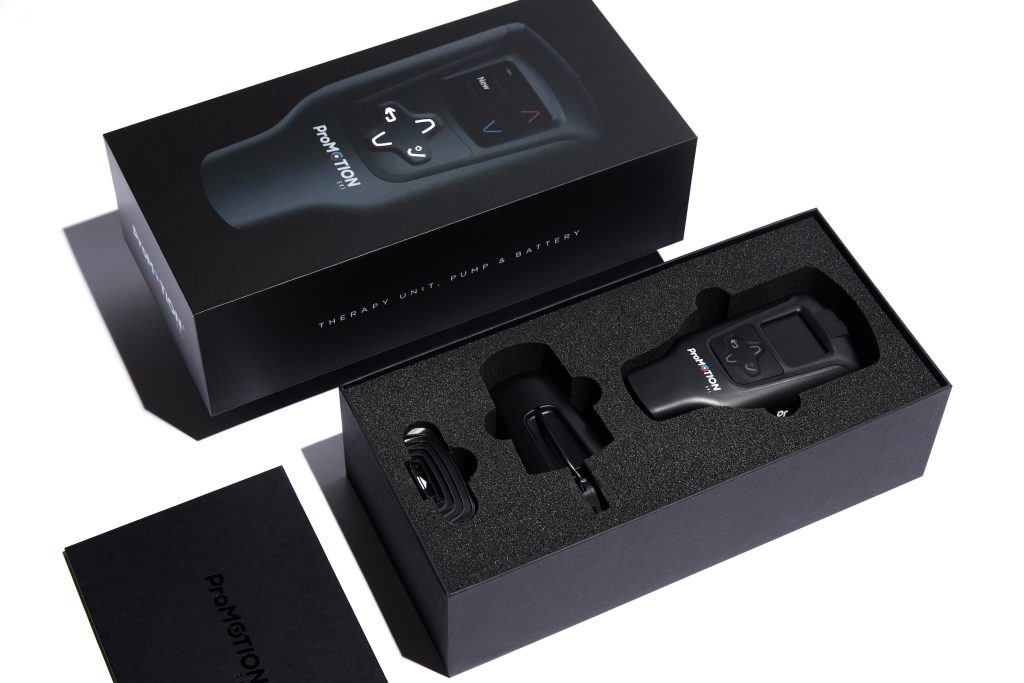
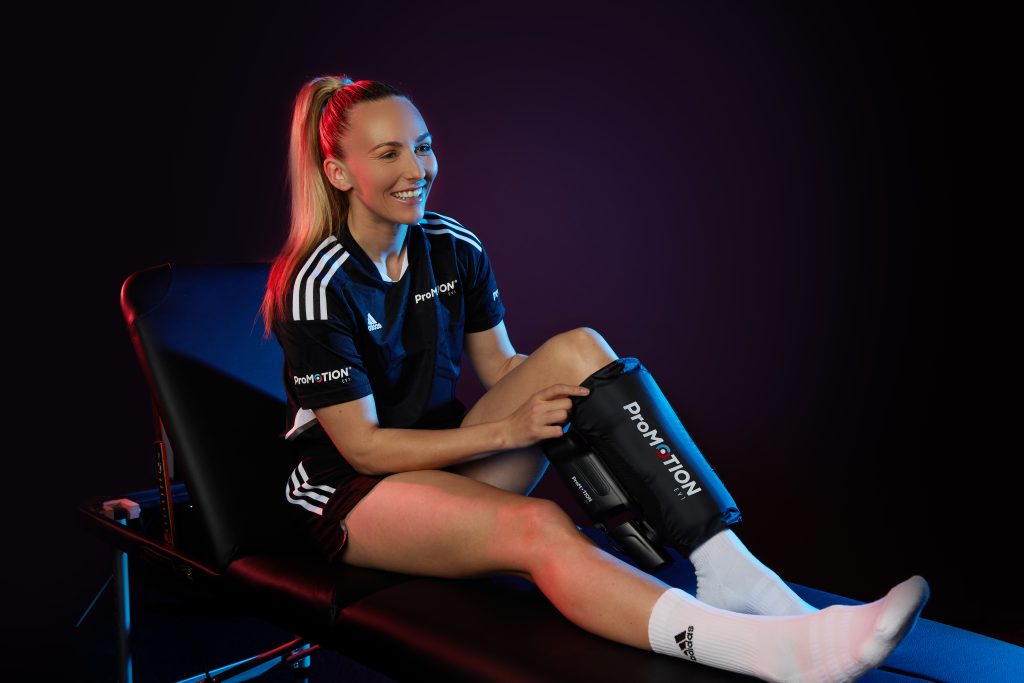
How a Portable Device Fits Into Your Routine
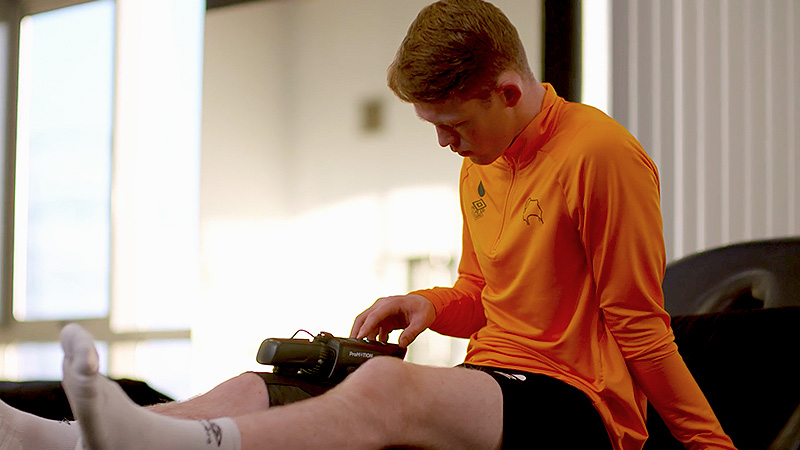
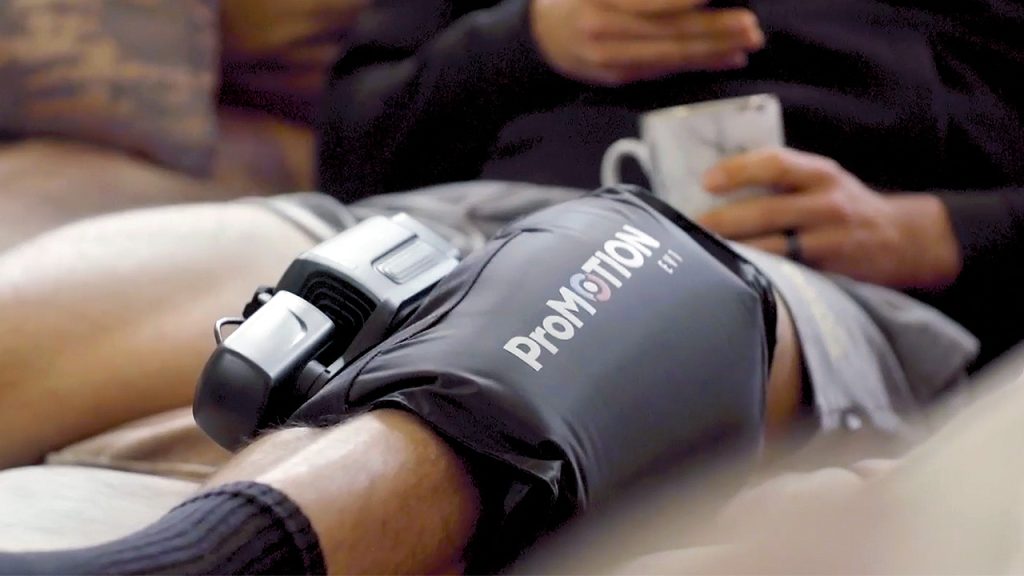
Contrast therapy traditionally means two baths, two ice machines, or a clinic trip, which is why it gets skipped.
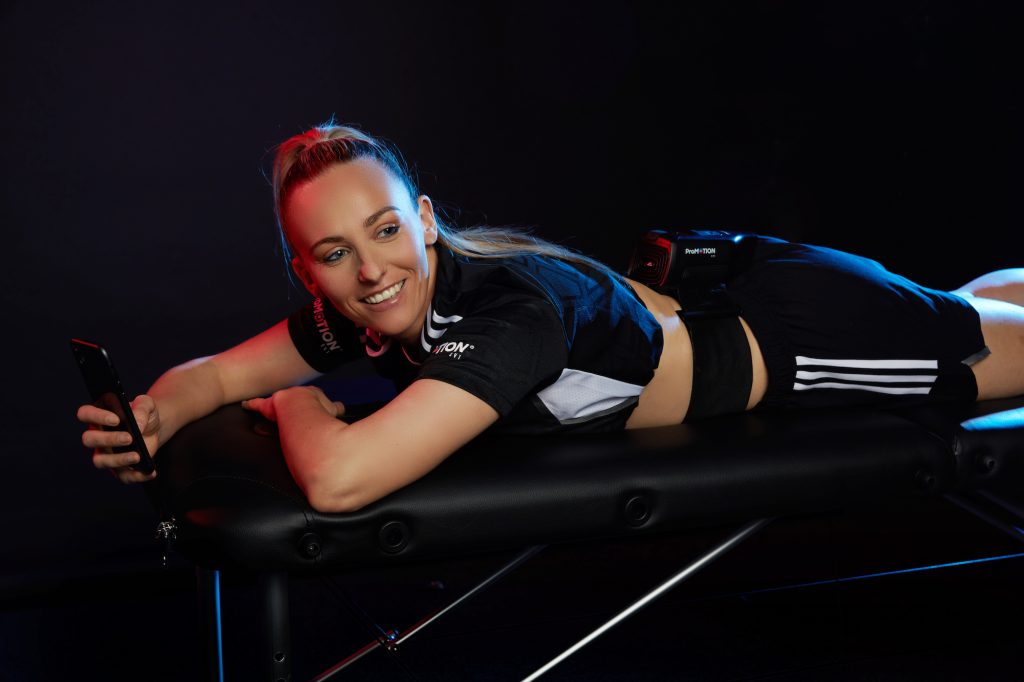
Athletes and post-operative patients who need consistent cold, heat, and compression therapy without clinic visits or a two-bath setup.
Nutrition, Hydration, and Sleep for Tissue Repair
Nutrition and sleep are where at-home recovery is won or lost, and they are the two factors most athletes ignore. Tissue repair is energy-intensive, and most of it happens while you sleep.
Nutrition: What the Tissue Actually Needs
Repairing ligament, tendon, and muscle means rebuilding collagen, laying down new capillary networks, and clearing cellular debris, raw material delivered consistently, not in one big post-workout meal.
- Protein: aim for roughly 1.6 to 2.2 grams per kilogram of body weight per day while healing, spread across three to four feedings of 20 to 40 grams each. Injured tissue responds to repeated pulses, not one flood.
- Omega-3 fatty acids: oily fish, walnuts, and flaxseed. These moderate inflammation, but the goal is not to shut it down entirely, early inflammation is part of the repair signal, which is one reason around-the-clock anti-inflammatories can work against you.
- Vitamin C: supports collagen cross-linking; 200 to 500 milligrams per day from food and a basic multivitamin is a common target. Megadoses are not shown to speed healing further.
- Calcium and vitamin D: relevant for bone healing and muscle function. Most adults fall short on vitamin D, ask a clinician to check your level rather than guessing.
- Zinc and vitamin A: smaller players in wound healing and immune function, generally covered by a balanced diet.
- Hydration: dehydration thickens tissue fluid and slows nutrient delivery to the injury site. Target pale-yellow urine and roughly half your body weight in ounces of water daily, adjusted upward for heat and sweating.
The thing nobody tells you about recovery nutrition is that under-eating slows healing more than any missing supplement. If you are injured and training less, the instinct is to eat less. Don't drop protein, and don't crash your total calories. The tissue is doing construction work even while you sit still.
Sleep: The Repair Window Most Athletes Waste
Sleep is not passive downtime, it is when the body does most of its soft tissue repair, via hormonal and circadian mechanisms.
- Growth hormone: the largest pulse happens in the first deep-sleep cycle, typically within 90 minutes. It drives tissue repair, collagen synthesis, and muscle rebuilding, cut that cycle short and you cut the repair signal.
- Cortisol rhythm: cortisol should be high in the morning and low at night. Late-night screens, alcohol, and irregular bedtimes flatten that curve, keeping the body catabolic when it should be rebuilding.
- Inflammation regulation: sleep is when the immune system consolidates the inflammatory phase and transitions toward tissue remodeling. Short sleep is linked to slower wound healing and higher re-injury rates.
What actually improves sleep quality during recovery:
- Consistent schedule. Same bedtime and wake time, within about 30 minutes, seven days a week, circadian consistency matters more than total hours for hormone timing.
- Cool, dark room. Roughly 65 to 68 degrees Fahrenheit, blackout curtains or an eye mask, no glowing screens.
- Caffeine cutoff. Stop caffeine eight to ten hours before bed; its half-life is longer than most people assume.
- Alcohol awareness. Alcohol fragments deep sleep and suppresses growth hormone release, even when it feels like it helps you fall asleep.
- Nap strategically. A 20 to 30 minute early-afternoon nap adds repair time without stealing from nighttime sleep; long or late naps backfire.
- Elevate and position. If swelling is a factor, sleep with the limb elevated on pillows as your clinician directs.
If you only change two things after an injury, make them protein spread across the day and a consistent sleep schedule. They cost nothing, they stack with every other treatment, and they address the two mechanisms, raw material and hormonal repair signaling, that no ice pack or compression sleeve can replace.
Common Mistakes and Red Flags to Avoid
Most at-home recovery setbacks trace back to a short list of predictable errors. Avoiding them is worth more than any gadget, and knowing when to stop treating at home often determines how long the injury lasts.
The Mistakes That Cost the Most Time
- Applying heat to a still-swollen joint. Heat dilates vessels and can increase acute-phase swelling. If the joint is warm or puffy, keep it cold.
- Skipping compression because it's uncomfortable. Compression has a clear mechanical effect on swelling. If it is painful, the wrap is too tight, not unnecessary.
- Returning to full training the day pain disappears. Pain resolves before tissue strength and proprioception return, that gap is where re-injury lives.
- Taking anti-inflammatories around the clock without medical guidance. Early inflammation is part of the repair signal; blunting it continuously in the first 48 hours can slow healing. Ask a clinician about timing and dose.
- Ignoring sleep and protein intake. These are the raw material and the repair signal, not optional add-ons.
- Testing the injury repeatedly. Poking and "just checking" the joint dozens of times a day adds load and irritation. Check range of motion once or twice daily, not hourly.
- Masking pain to push through. Numbing a joint to train on it is how minor sprains become chronic instability.
Red Flags: When to Stop Home Treatment
Stop and contact a physician or go to urgent care if you notice:
- Pain that is worsening rather than improving after 72 hours of consistent R.I.C.E. and relative rest. A normal acute injury trends better day by day, even if slowly.
- Numbness, tingling, or loss of sensation below the injury, or weakness that does not match the pain, possible nerve involvement or a more serious injury.
- A joint that looks deformed, or will not bear weight at all. Inability to take four steps on the injured leg is a common clinical threshold for imaging.
- Calf pain with swelling, warmth, or redness, especially after surgery, immobilization, or travel. This can signal a deep vein clot and is a medical emergency.
- Fever, or an incision that is hot, weeping, or increasingly red. Signs of infection need prompt evaluation, not another ice pack.
- Swelling that suddenly increases days after surgery, or a cast or splint that becomes tight, a possible post-operative complication.
- A popping sensation at the time of injury with immediate swelling and instability, which often points to a ligament rupture rather than a simple sprain.
- No improvement in range of motion after two weeks of consistent home care. A clinician can identify whether scar tissue, joint restriction, or something else is blocking progress.
Do not use this list as a substitute for professional judgment. If something feels wrong, or if you are unsure, err on the side of getting it checked. A single appointment is cheaper than months of stalled recovery.
The athletes who recover fastest are not the ones who push hardest at home. They are the ones who know when home treatment is working, when it has stopped working, and when to hand the problem to a professional.
Conclusion
Rapid recovery for sports injuries at home rewards consistency and patience more than any single intervention. Control swelling early with the R.I.C.E. method, respect the cold-versus-heat timeline, load the tissue progressively, and treat sleep, protein, and hydration as part of the protocol. For cold, heat, and compression without a clinic visit, Swellaway's ProMOTION EV1 puts all three in one portable device.
Frequently Asked Questions
What is the fastest way to recover from a sports injury at home?
Start with the R.I.C.E. method: rest, ice, compression, and elevation. Use cold therapy for 15-20 minutes every 2-3 hours during the first 48 hours to reduce swelling and pain. Add contrast therapy after 48 hours to boost circulation. Support tissue repair with protein, omega-3 fatty acids, vitamin C, and 7-9 hours of sleep. If pain or swelling worsens, see a doctor.
How does cryotherapy and heat therapy help with muscle recovery?
Cold therapy narrows blood vessels, which reduces inflammation and numbs pain after an acute injury. Heat therapy widens blood vessels, which increases blood flow and helps flush waste products while relaxing tight muscles. Using both in a contrast therapy routine can improve mobility and speed recovery. Precise temperature control allows for safe switching between cold and heat at home.
When should you use ice versus heat for a sports injury?
Use ice for the first 48-72 hours after an acute injury like a sprain or strain, when swelling and inflammation are present. Switch to heat after the initial swelling goes down, or for chronic stiffness and muscle tightness. If you are unsure, start with cold therapy. For post-surgical swelling, follow your surgeon's instructions, which often recommend cold therapy and compression.
How can compression therapy improve recovery times?
Compression applies gentle pressure to the injured area, which limits swelling and helps move excess fluid away from the tissue. This can reduce pain and improve range of motion. Combining compression with cold or heat therapy can provide consistent pressure without needing to rewrap bandages. Always check with a healthcare professional before using compression if you have circulation problems.