Table of Contents
- Why Swelling Happens After Orthopedic Surgery
- Step 1: Elevate the Surgical Site Above the Heart
- Step 2: Apply Cold Therapy to Reduce Swelling
- Step 3: Use Compression Garments and Wraps
- Step 4: Move Carefully to Support Circulation
- Benefits of Cryotherapy for Post-Op Recovery
- How Long Does Swelling Last After Knee Surgery
- When to Call a Doctor for Post-Surgical Swelling
- Frequently Asked Questions
Last Updated: September 7, 2026
Why Swelling Happens After Orthopedic Surgery
Post-operative swelling, or edema, is your body's natural inflammatory response to tissue trauma. When a surgeon operates on bone, muscle, or connective tissue, the immune system floods the area with fluid and white blood cells to begin the healing process. This fluid is essential for healing, but it also causes stiffness, pain, and reduced range of motion if left unmanaged.
Many patients treat swelling as a passive nuisance rather than an active problem to solve. Aggressive swelling management in the first 72 hours directly shortens the overall recovery timeline. Fluid pooling around a surgical site restricts circulation and slows lymphatic drainage, so every day of uncontrolled swelling adds days to rehabilitation.
Step 1: Elevate the Surgical Site Above the Heart
Elevation is the most accessible and effective method for managing post-operative edema, yet it is also the most frequently performed incorrectly. The surgical site must rest above the level of your heart, not just propped on a nearby cushion. Gravity then works with your circulatory system to drain fluid away from the injured tissue.
For a knee or lower leg procedure, lie flat and stack pillows beneath your entire leg, from calf to heel. A common mistake is elevating only the foot, which bends the knee and restricts venous return. For upper extremity surgeries, prop the arm on pillows while reclining, keeping the elbow higher than the shoulder. Maintain this position for 15 to 20 minutes out of every hour during the first three to five days, and keep the surgical dressing dry.
Do not place pillows directly behind the knee joint. This hyperflexes the joint, compresses blood vessels, and can actually increase swelling and stiffness rather than reducing it.
Step 2: Apply Cold Therapy to Reduce Swelling
Cold therapy, also called cryotherapy, is a cornerstone of post-operative swelling management. It works through vasoconstriction, which narrows blood vessels to limit fluid reaching the surgical site, and a local numbing effect that reduces pain signals. This combination directly limits the acute inflammatory response, most intense in the first 48 to 72 hours after surgery.
How to Apply Cold Therapy Correctly
The most effective approach is intermittent application: 15 to 20 minutes of cold, followed by at least 45 minutes off, repeated throughout the day. This cycle prevents tissue damage from prolonged vasoconstriction while maximizing the anti-inflammatory benefit. Never apply cold continuously, as this can compromise tissue healing and increase the risk of nerve damage. A common guideline is to use cold therapy every 2 to 3 hours during the first week, tapering to after physical therapy sessions as swelling subsides.
Types of Cold Therapy Devices
| Device Type | Pros | Cons | Best For |
|---|---|---|---|
| Gel packs | Inexpensive, easy to store, conforms to joint | Warms up quickly (10-15 min), must be refrozen | Small areas, early post-op |
| Ice bags (crushed ice) | Very cold, molds well | Messy, requires frequent replacement | Large joints like knee or shoulder |
| Chemical cold packs | Instant activation, portable | Single-use, can get too cold if not wrapped | On-the-go use, travel |
| Circulating cold water devices | Consistent temperature, covers large area | Bulky, tethers you to a power outlet, expensive | Knee or shoulder replacements, hospital use |
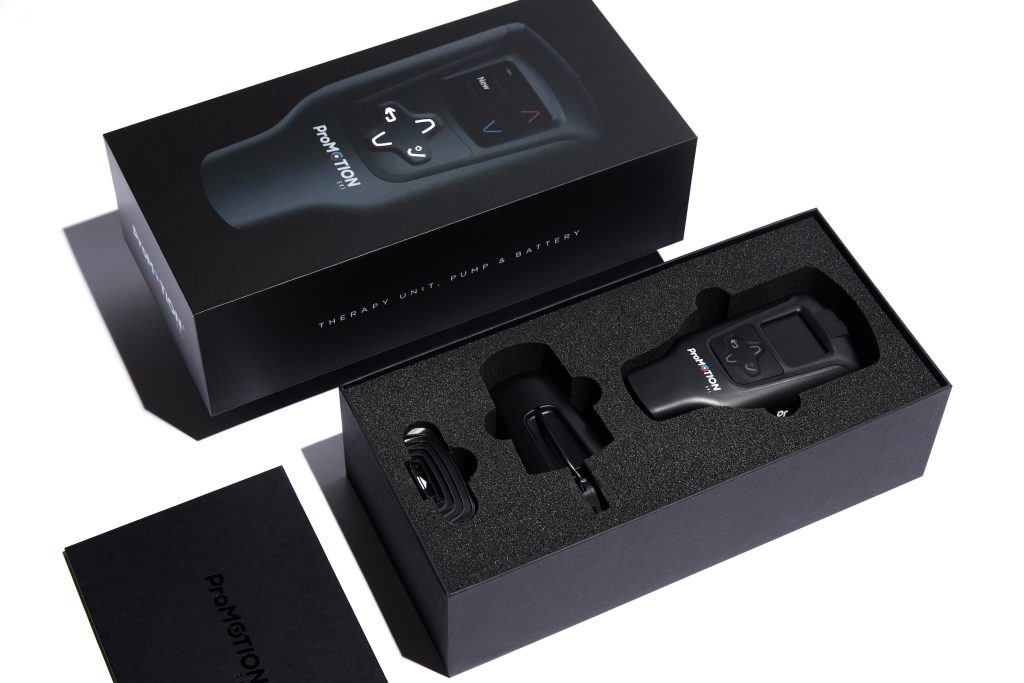
| Portable cryotherapy with compression | Combines cold and dynamic compression, cordless | Higher upfront cost | Home recovery, patients who want to move freely |
Safety Considerations
Always place a thin cloth or towel between any cold source and your skin to prevent frostbite. Check the skin every five minutes during the first session. If the area appears bright red, blistered, or feels numb beyond the cold sensation, stop immediately and allow the skin to rewarm. Do not use cold therapy over areas with poor circulation, open wounds, or if you have a condition like Raynaud's phenomenon or cold allergy (cold urticaria).
Why Ice Packs Lose Their Edge
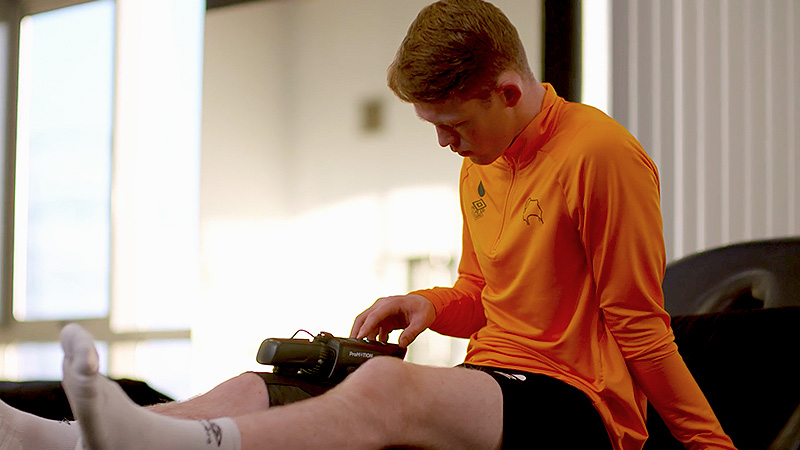
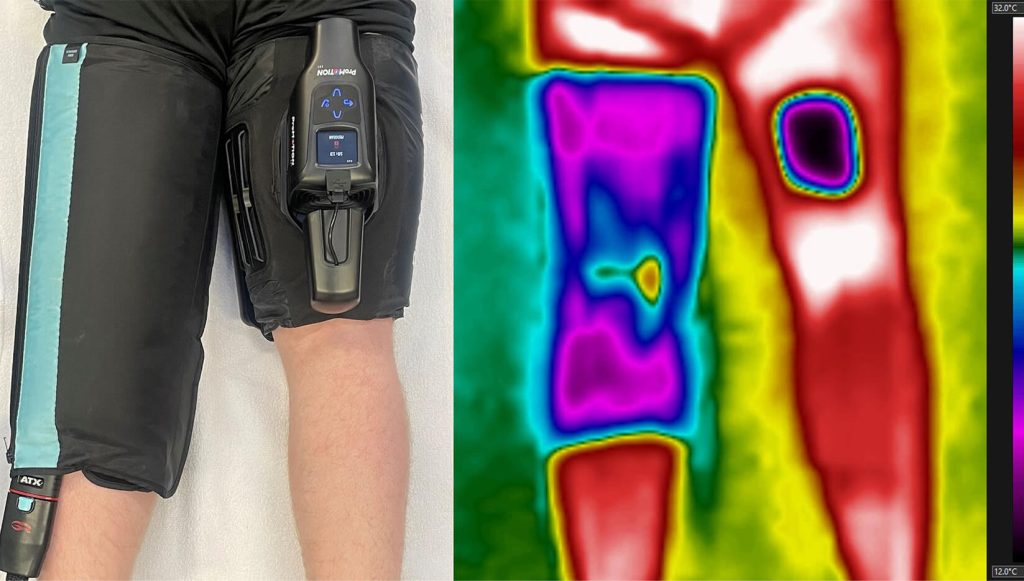
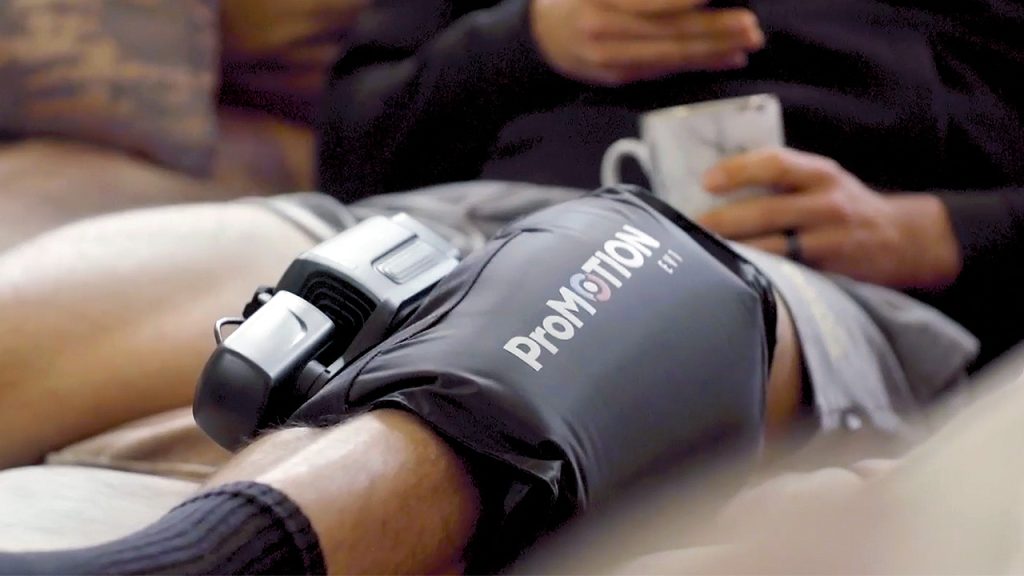
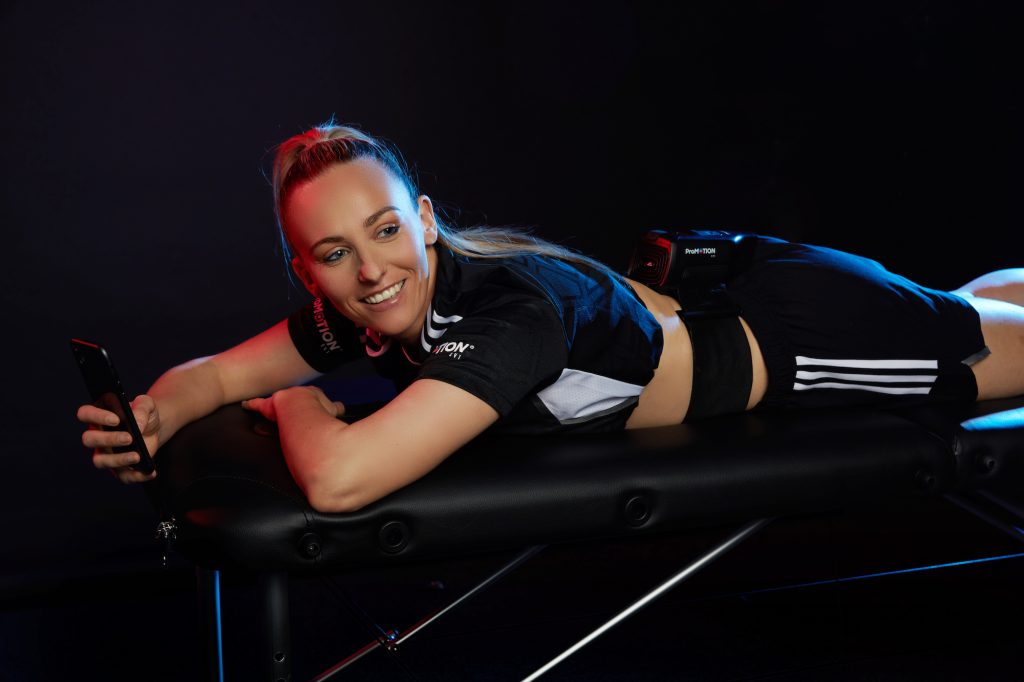
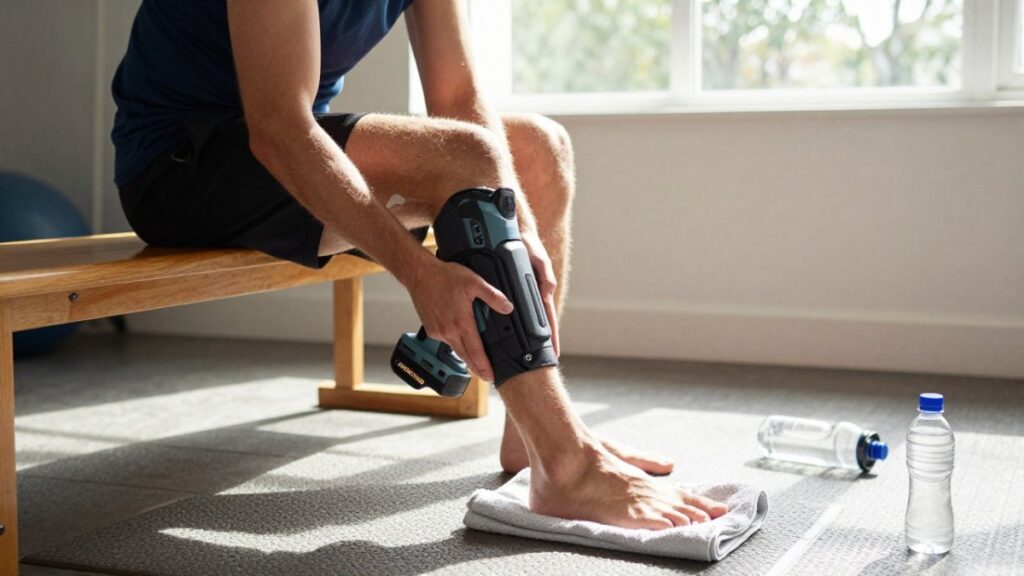
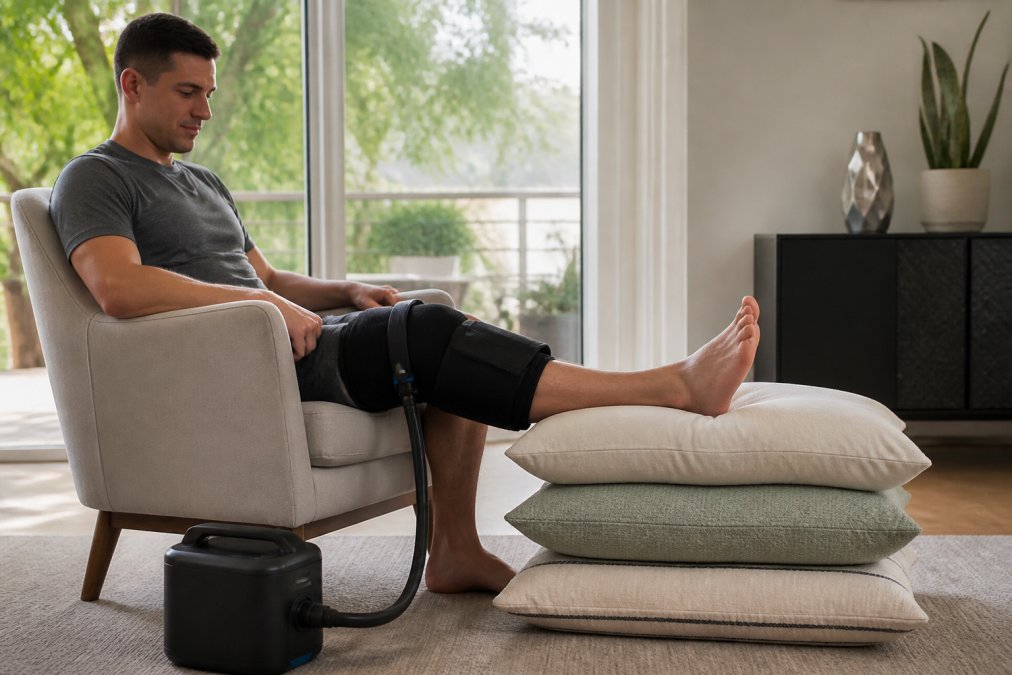
Traditional ice packs lose their effectiveness after about 10 minutes as the skin temperature equilibrates and the body begins to rewarm the area, so you are not getting consistent therapeutic cold for the full 15-20 minute session. Circulating water devices maintain a precise temperature throughout the session, which is why many orthopedic centers use them for inpatient recovery. For home use, portable devices that combine cold with intermittent pneumatic compression offer a practical alternative, delivering consistent cold while the compression sleeve actively milks fluid toward healthy lymph channels. Because these devices are cordless, you can use them while maintaining proper elevation, which is difficult with bulky ice machines that tether you to a wall outlet.
Keep a second set of gel packs in the freezer so you can rotate them. This ensures you always have a cold pack ready for your next 15-20 minute session, especially during the night when you may not want to get up to refreeze one.
The Evidence Base
The use of cold therapy after orthopedic surgery is supported by decades of clinical practice, though research on its precise efficacy is mixed. A 2013 Cochrane review of cryotherapy after total knee replacement found that while cold therapy did not significantly reduce the need for blood transfusions or improve range of motion, it did reduce pain and swelling in the short term. Most surgeons and physical therapists still recommend it as a standard part of post-operative care because the subjective pain relief it provides allows patients to participate more actively in early mobilization exercises. Review of cryotherapy after total knee replacement
Step 3: Use Compression Garments and Wraps
Compression garments reduce swelling by providing external support that limits the space available for fluid to accumulate. Your surgeon will likely provide a post-operative compression stocking or wrap, and wearing it consistently during waking hours matters more than how tightly you apply it. The garment should feel snug but never painful, and you should be able to slide one finger between the fabric and your skin.
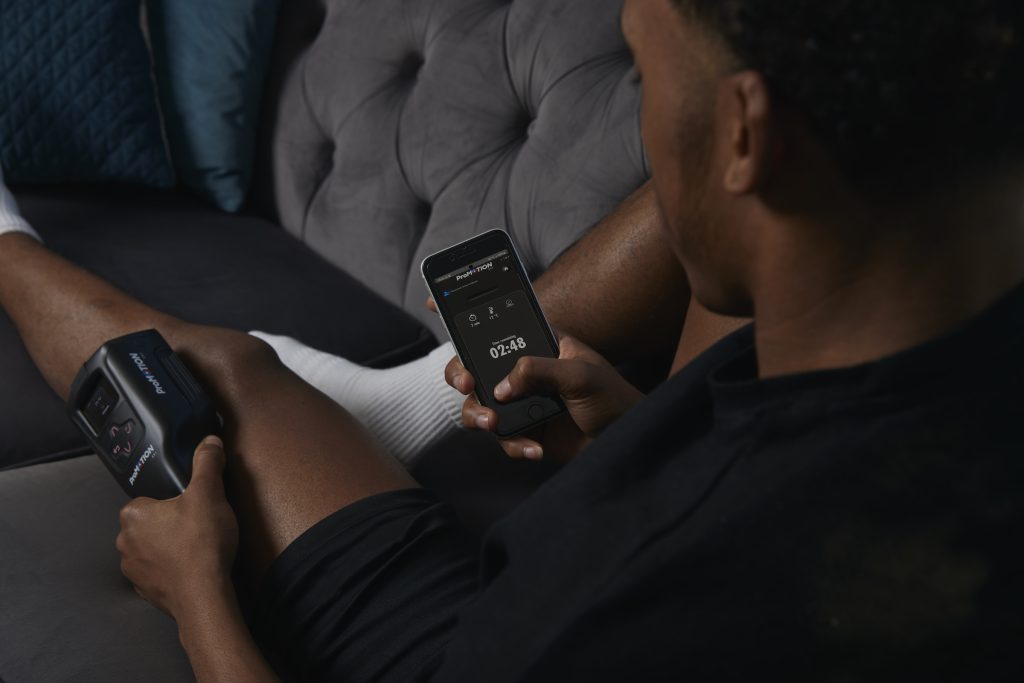
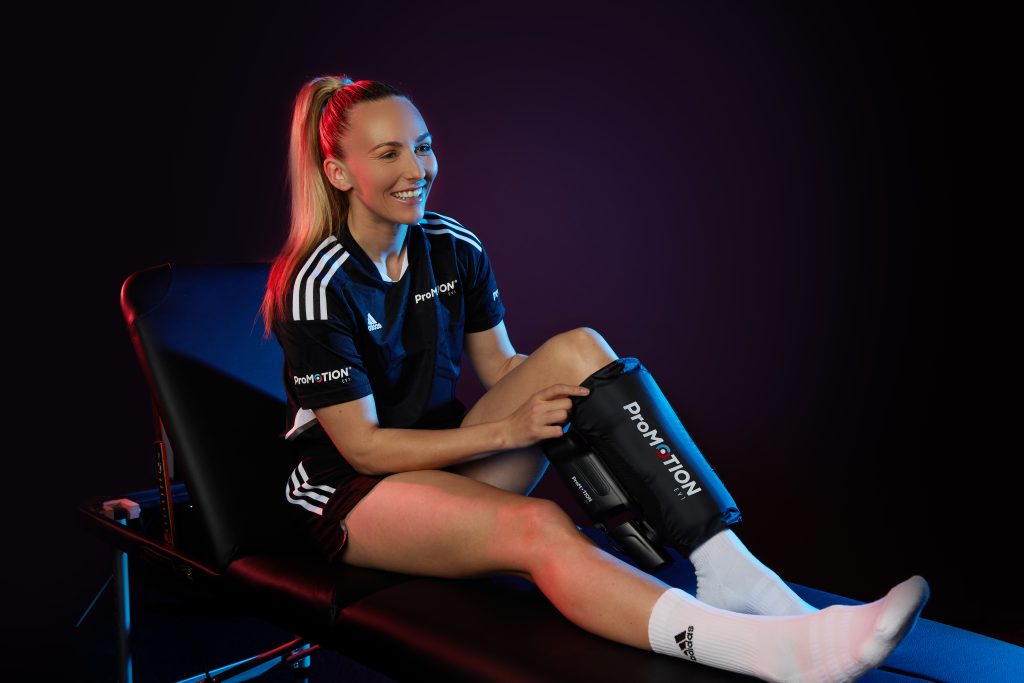
Static compression has limits: a wrap that stays at constant pressure eventually allows fluid to settle beneath it. Intermittent pneumatic compression, which inflates and deflates in a rhythmic cycle, actively milks fluid from the extremity toward the torso. Devices that pair this dynamic compression with cold therapy, like the ProMOTION EV1, address both mechanisms simultaneously.
Step 4: Move Carefully to Support Circulation
Complete immobilization works against you after the first few days. Gentle movement stimulates the muscle pump in your calf and thigh, which pushes venous blood and lymphatic fluid back toward your heart. Your surgeon or physical therapist will give you specific range of motion exercises, typically ankle pumps, quadriceps sets, and gentle flexion, to begin within 24 to 48 hours after surgery.
Perform these exercises every hour while awake, doing 10 to 15 repetitions per set. The goal is movement without pain: you should feel a gentle stretch or muscle activation, never a sharp pull at the surgical site. Movement also prevents stiffness and reduces the risk of blood clots, a serious complication known as deep vein thrombosis or DVT. Guidance from the American Academy of Orthopaedic Surgeons on preventing blood clots after surgery emphasizes early mobilization as a cornerstone of post-surgical care. If your therapist clears you for light walking with crutches or a walker, short, frequent walks around the house are preferable to one long walk that exhausts the limb.
Benefits of Cryotherapy for Post-Op Recovery
Cryotherapy does more than numb discomfort; it actively changes the physiology of the healing tissue. By reducing the metabolic demand of cells near the surgical site, cold therapy limits secondary tissue damage caused by oxygen deprivation. This translates to less bruising, faster resolution of inflammation, and a quicker return to pain-free movement.
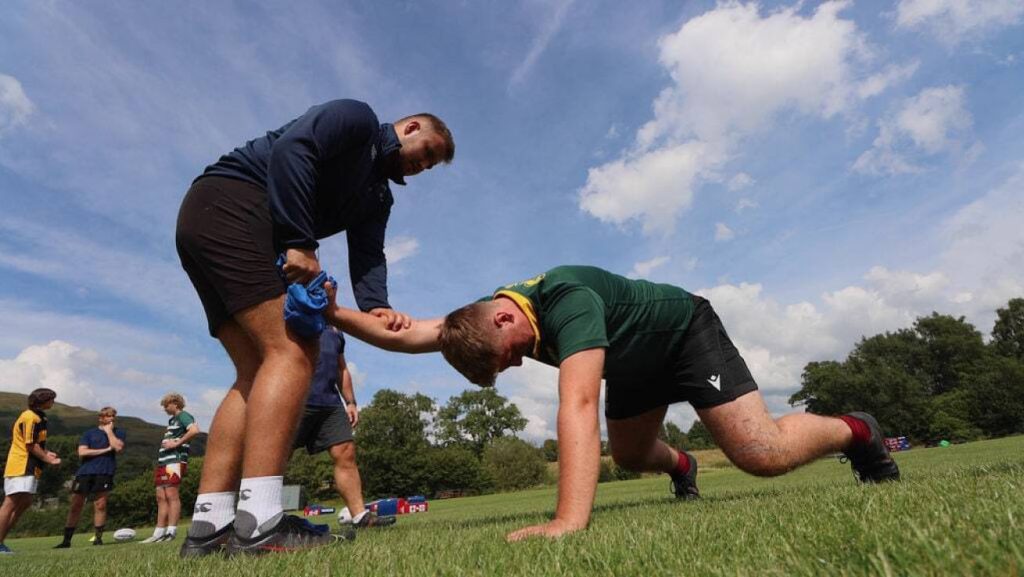
The benefits of cryotherapy for post-op recovery extend beyond the first week. Many patients continue using cold therapy after exercise sessions during rehabilitation to control flare-ups of swelling. A portable device makes this practical, since you are not confined to a treatment room. Professional sports teams and elite athletes use this approach to maintain training intensity while managing minor setbacks, a principle that applies equally to patients progressing through physical therapy. Research overview on cryotherapy mechanisms in sports medicine confirms that cold application reduces blood flow to the area, limiting edema formation during the acute inflammatory phase.
The combination of cold and compression is more effective than either alone. Cold limits new fluid from entering the tissue, while compression actively moves existing fluid out. Choose a therapy method that delivers both.
How Long Does Swelling Last After Knee Surgery
How long swelling lasts after knee surgery depends on the procedure's extent and how consistently you apply the management techniques above. For arthroscopic procedures, significant swelling typically subsides within one to two weeks. For total knee replacement, visible swelling may persist for three to six months, though the most uncomfortable phase usually resolves in the first two to three weeks.
Patients often become discouraged when swelling plateaus around week two, but this is normal. The body is simultaneously healing bone, repairing soft tissue, and reabsorbing fluid, and the lymphatic system works slowly. What matters is the trend: swelling should gradually decrease week over week, with temporary increases after physical therapy sessions or increased activity. Tracking your knee circumference at the same point each morning provides objective data to share with your surgeon.
| Recovery Phase | Typical Swelling Duration | Primary Management |
|---|---|---|
| Acute (Days 1-7) | Rapid reduction with elevation and cold | Cryotherapy every 2-3 hours, strict elevation |
| Subacute (Weeks 2-6) | Gradual decrease, spikes after exercise | Compression during activity, cold after PT |
| Late (Months 2-6) | Mild residual, worse at day's end | Movement, elevation at night, intermittent cold |
When to Call a Doctor for Post-Surgical Swelling
Some swelling is normal and expected after orthopedic surgery. But how do you know when it crosses the line from a normal part of healing to a sign of something serious? This section gives you a clear, actionable framework for self-assessment before you pick up the phone.
The Self-Triage Checklist: Normal vs. Abnormal Swelling
Work through this checklist if you are concerned about your swelling. If you answer "yes" to any of the items in the right-hand column, call your surgeon's office or the 24-hour nursing line immediately.
| Question | Normal (Continue Home Care) | Abnormal (Call Your Surgeon) |
|---|---|---|
| Is the swelling symmetric? | Both sides of the surgical joint look similar, or the swelling is confined to the area around the incision. | One calf, thigh, or arm is significantly larger and warmer to the touch than the other side. |
| What color is the skin? | Mild bruising (black and blue) that fades over time. | Redness that is spreading outward from the incision, especially if it is accompanied by increasing pain or warmth. |
| Is the swelling getting better? | Swelling peaks around day 2-3, then gradually decreases day by day. | Swelling is visibly worse today than it was yesterday, despite consistent elevation and cold therapy. |
| How does the incision look? | The dressing has a small amount of dried blood or serous (clear/yellow) fluid. | The dressing is soaked through with blood or fluid, or the incision edges are pulling apart. |
| Do you have a fever? | Temperature is below the threshold your surgeon specified (usually 101°F or 38.3°C). | Temperature is above 101°F (38.3°C) or whatever threshold your surgeon gave you. |
| How is your pain? | Pain is improving or manageable with your prescribed medication. | Pain is not responding to medication, or it is intensifying after the first few days rather than improving. |
| Any other symptoms? | You feel generally well, just tired and sore. | You experience sudden chest pain, shortness of breath, or coughing up blood alongside leg swelling. |
Sudden onset of chest pain, shortness of breath, or coughing up blood alongside leg swelling requires emergency care. These can be signs of a pulmonary embolism, a life-threatening complication where a blood clot travels to the lungs. Do not wait to call your surgeon, call 911 or go to the nearest emergency room.
The Psychological Impact of Prolonged Swelling
It is normal to feel anxious, frustrated, or discouraged when swelling persists longer than expected. Many patients describe a "swelling spiral": they see the swelling, worry it means something is wrong, become stressed, and that stress can increase inflammation and fluid retention. This is a well-documented mind-body connection. Cortisol and other stress hormones can prolong the inflammatory response, making it harder for your body to resolve the swelling.
Prolonged swelling does not mean your surgery failed or that you are healing abnormally. For many procedures, especially joint replacements, visible swelling can persist for three to six months. The most uncomfortable phase typically resolves in the first two to three weeks, but the residual swelling that appears at the end of the day is often just gravity catching up with you. This is normal.
How to Manage the Anxiety
- Track your progress objectively. Measure the circumference of your surgical limb at the same point each morning before you get out of bed. Write it down. Seeing a gradual downward trend over weeks, even with daily fluctuations, provides concrete evidence that you are healing.
- Set realistic expectations with your care team. Before you leave the hospital or clinic, ask: "What is the typical swelling timeline for my specific procedure? What should day 3, week 2, and month 1 look like?" Having a benchmark from your own surgeon is far more useful than comparing yourself to online forums or well-meaning friends.
- Use the 24-hour rule. If you are worried, wait 24 hours and reassess. If the swelling is trending in the same direction (better, worse, or stable), you have useful information to share with your care team. If it is dramatically worse, do not wait.
- Talk to someone. If you find yourself constantly checking the swelling, unable to sleep, or feeling hopeless about your recovery, mention this to your surgeon or physical therapist. They can refer you to a counselor or support group. Post-surgical depression and anxiety are common and treatable.
When in Doubt, Call
Trust your instincts. If something feels wrong, a phone call to your care team is always appropriate. You are not bothering them, this is exactly what they are there for. Most orthopedic practices have a 24-hour nursing line specifically for post-operative concerns. Have your discharge paperwork handy, along with a list of your medications and your temperature, so the nurse can give you the most accurate guidance. Patient education resources on recognizing post-surgical complications
Your mental state is as important as your physical state during recovery. Addressing the anxiety of prolonged swelling is not a luxury, it is a necessary part of the healing process. A calm, informed patient follows their rehabilitation protocol, sleeps better, and ultimately recovers faster.
Frequently Asked Questions
What helps swelling go down immediately after surgery?
Immediately after surgery, focus on three actions: elevate the surgical site above heart level, apply cold therapy in 15-20 minute intervals, and keep your compression dressing in place. These steps limit fluid buildup at the surgical site. Your surgeon may also recommend specific exercises to activate your calf or thigh muscles, which helps pump fluid back toward your heart. Always follow your discharge instructions for how long to keep the surgical dressing on.
Does walking reduce swelling after surgery?
Gentle walking can help reduce swelling because muscle contractions push fluid through your lymphatic system. But the timing matters. In the first days after surgery, keep walking minimal, just to the bathroom or around the house, and keep the limb elevated the rest of the time. As your recovery progresses, short, frequent walks are better than one long walk. Stop if the surgical site throbs or swells more, and rest with the limb elevated until it settles.
When should I be concerned about post-surgical swelling?
Call your surgeon right away if swelling is accompanied by severe pain that medication does not relieve, skin that feels hot and looks red or streaked, a fever over 100.4°F, or swelling that suddenly increases after it had been going down. Numbness, tingling, or a pale or blue tint to the limb can signal circulation problems. These symptoms may indicate a blood clot or infection, so do not wait for your next follow-up appointment to seek advice.
How long does post-op swelling typically last?
The worst swelling usually peaks 2 to 5 days after surgery, then gradually subsides over the next several weeks. For major joint procedures like a knee replacement, mild swelling can persist for 3 to 6 months, especially after activity. You will likely notice that swelling increases at the end of the day and decreases overnight with elevation. Consistent use of cold therapy, compression, and prescribed movement helps move your recovery timeline forward.