Table of Contents
- Portable Cryotherapy vs Traditional Ice Packs: The Short Answer
- How Each Option Works: Continuous Cold-Flow vs Static Cold
- The Benefits of Cryocompression Therapy in Practice
- How Long to Ice a Soft Tissue Injury (and Why It Matters)
- When to Use Heat vs Cold Therapy
- Side-by-Side Comparison: Temperature Control, Cost, and Convenience
- Matching the Right Device to Your Injury and Setting
- Maintenance, Safety, and Long-Term Value
- Frequently Asked Questions
Last Updated: September 12, 2026
Portable Cryotherapy vs Traditional Ice Packs: The Short Answer
Portable cryotherapy is a motorized cold therapy system that circulates chilled water through a wrap while applying intermittent compression, whereas traditional ice packs deliver static cold that warms within 15 to 20 minutes. For acute injuries and post-surgical recovery, the continuous cold-flow of a portable unit holds tissue temperature steadier and reduces edema more consistently than a melting gel pack. This guide from Swellaway breaks down how each option performs, what the trade-offs cost you, and which device fits which injury.
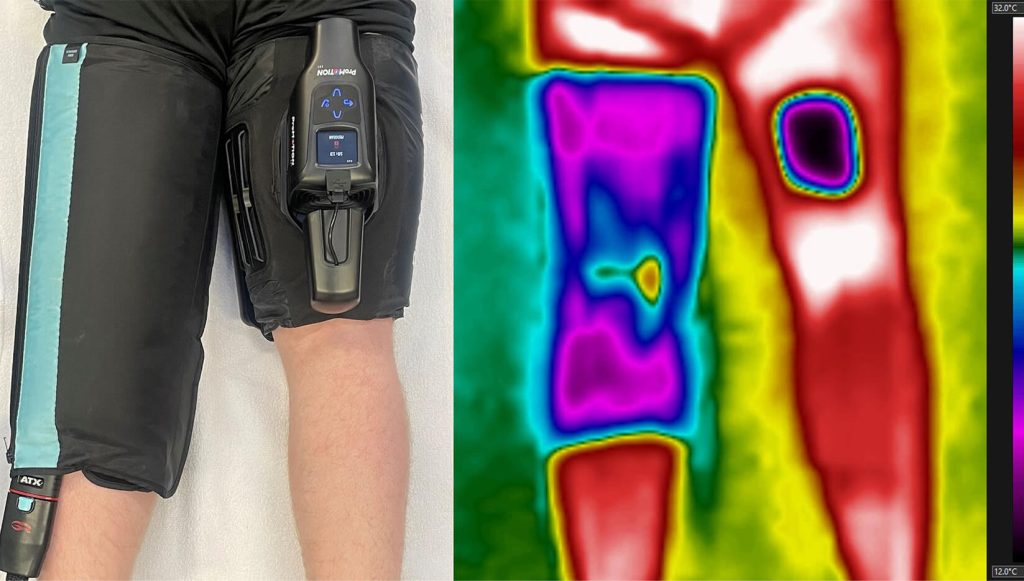
The core difference comes down to thermal regulation. A gel pack starts cold and only gets warmer. A motorized unit holds a set temperature for as long as you run it, which matters when you are managing joint inflammation over a 20-minute session or a multi-day recovery protocol. According to clinical guidance on therapeutic cold application, sustained cold combined with compression supports better edema reduction than cold alone.
Here is the short version: for bumps, bruises, and general aches, a gel pack is cheap and effective. For post-surgical recovery, orthopedic rehabilitation, or repeat daily use, a portable cryotherapy device earns its place.
How Each Option Works: Continuous Cold-Flow vs Static Cold
The mechanism separates these two categories more than any marketing claim does. Static cold pulls heat out of tissue until the pack equalizes with your skin. Continuous cold-flow replaces that warming water with freshly chilled water, so cold penetration stays consistent.
What Traditional Ice Packs and Gel Wraps Do
A gel wrap or ice pack relies on thermal mass. You freeze it, apply it, and it gradually warms. The first five minutes deliver the deepest cold; after that, tissue temperature climbs back toward baseline. That is fine for a minor strain, but it means you cannot hold a precise temperature, and you must re-freeze between sessions.
What Motorized Cold Therapy Units Add
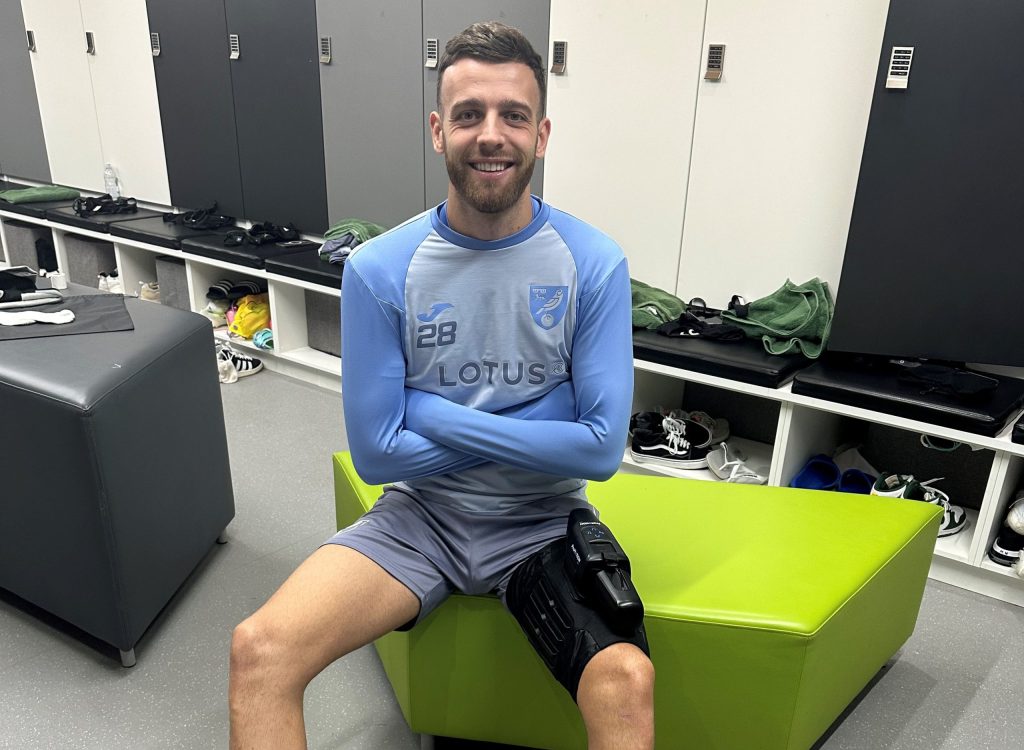
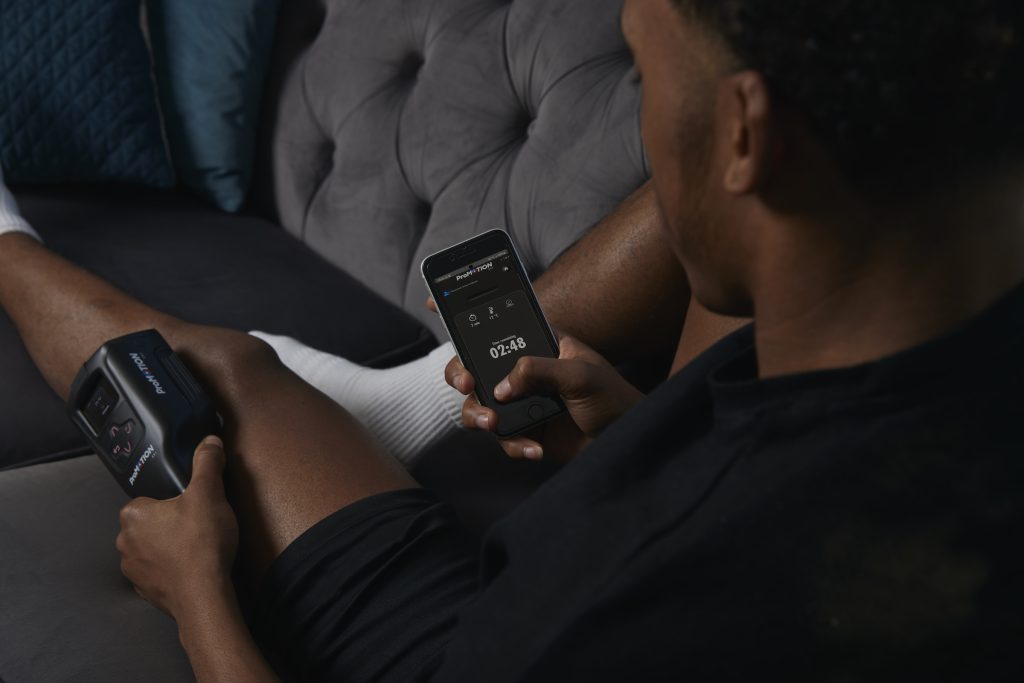
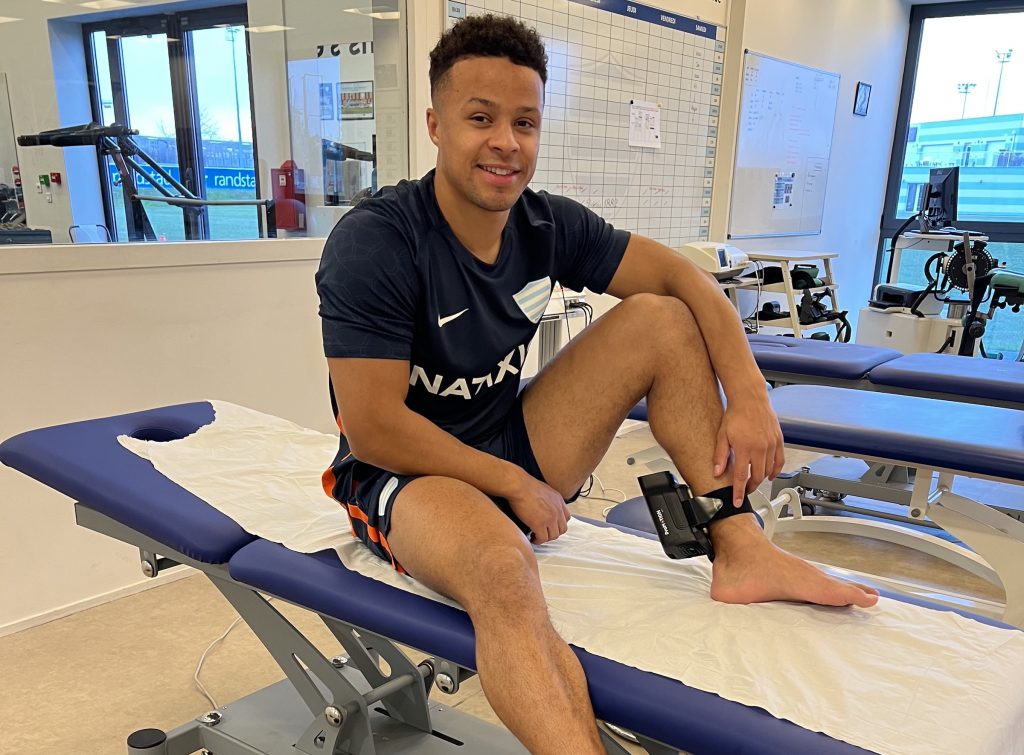
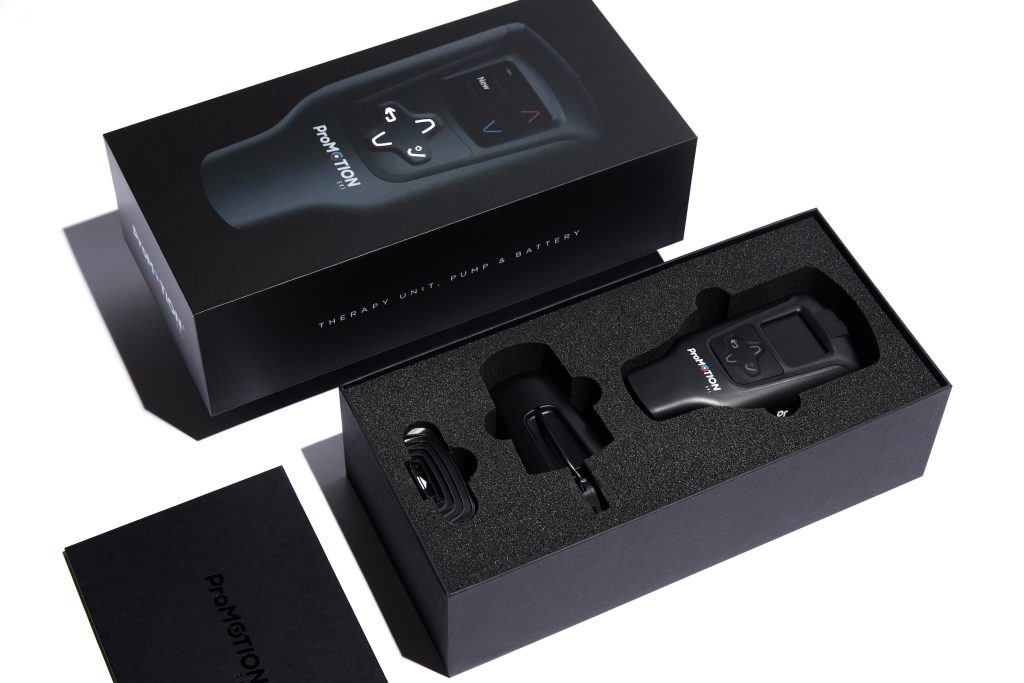
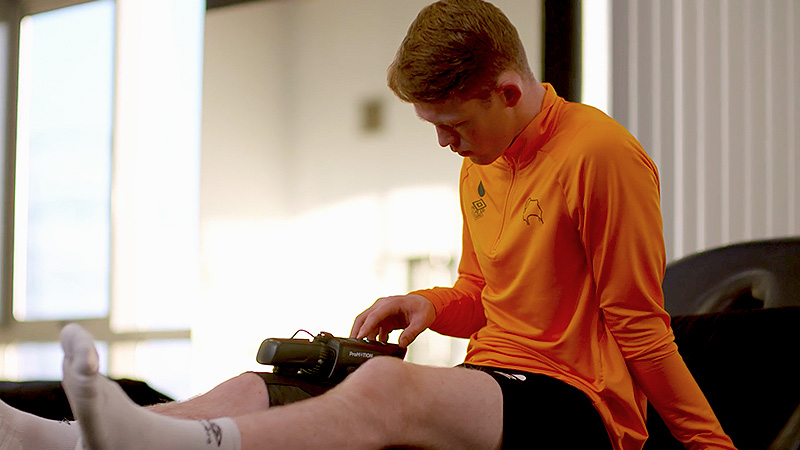
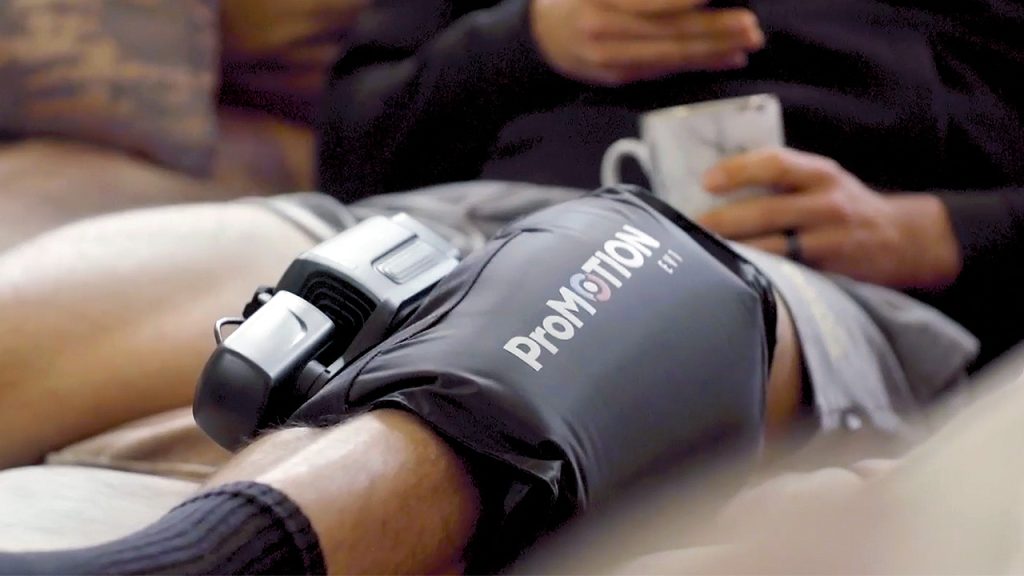
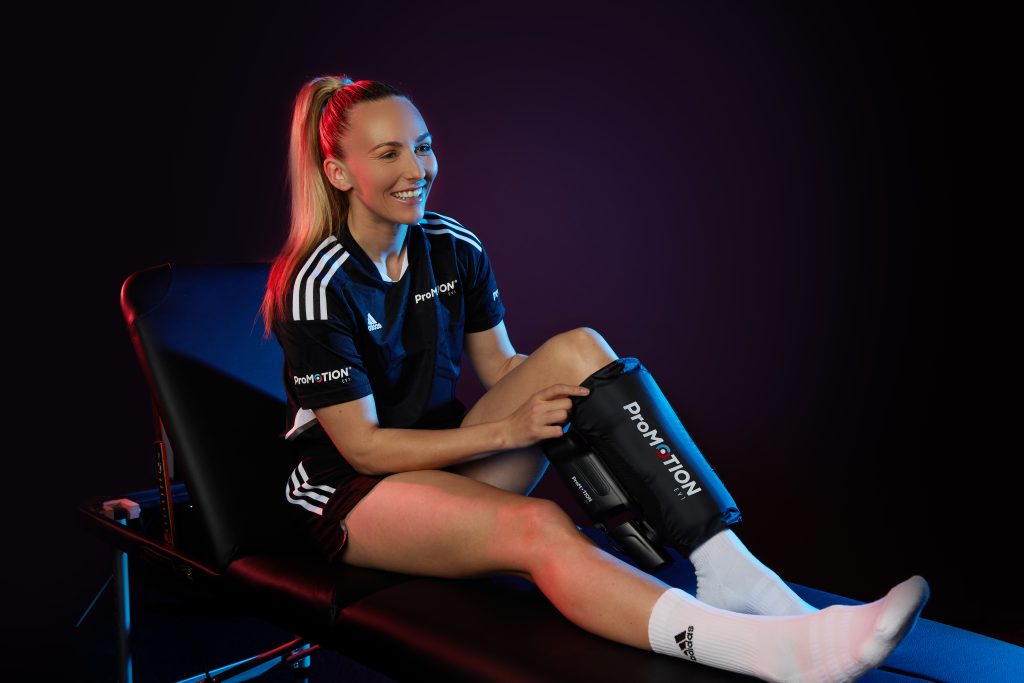
Motorized units add two things static cold cannot: circulation and compression. A pump moves chilled water through conforming pads, and intermittent compression cycles pressure on and off to support venous return. That combination, often called cryocompression, is why these systems show up in post-surgical recovery and orthopedic recovery settings. Swellaway's ProMOTION EV1 combines targeted cryotherapy, heat therapy, and compression in one cordless unit, with precise temperature and compression control.
The Benefits of Cryocompression Therapy in Practice
The benefits of cryocompression therapy come from pairing cold with active compression rather than treating them as separate steps. Cold triggers vasoconstriction, which reduces blood flow to the injured area and limits swelling. Intermittent compression then helps move excess fluid away from the tissue as circulation returns. Done together, the two support edema reduction and pain management in a way that alternating an ice pack and a compression wrap cannot easily match.
A common mistake is assuming more cold is always better. In practice, the goal is controlled cold exposure, not maximum cold. Overcooling risks skin necrosis and rebound swelling, which is exactly why precise temperature control matters more than raw cooling power.
Applying a gel pack straight from the freezer to bare skin for extended periods can cause ice burn and, in severe cases, skin necrosis. Always use a barrier layer and cap sessions at roughly 20 minutes unless a clinician directs otherwise.
How Long to Ice a Soft Tissue Injury (and Why It Matters)
The standard answer is 15 to 20 minutes per session, with a gap of at least an hour between sessions. That window lets tissue temperature drop enough to reduce metabolic activity and swelling without triggering a protective circulatory response that undoes the benefit.
Why the cap matters: after roughly 20 minutes of continuous cold, the body can respond with reflex vasodilation, pushing blood back into the area. That is the opposite of what you want during acute injury management. A motorized unit makes this easier to respect because you can set a session length and stop, rather than guessing when a gel pack has warmed past usefulness.
For the first 48 to 72 hours after a soft tissue injury, cold is the priority. After that acute window, rehabilitation protocols often shift toward controlled movement and, in some cases, heat.
When to Use Heat vs Cold Therapy
When to use heat vs cold therapy depends on what you are treating. Cold is for acute injury, inflammation, and swelling. Heat is for stiffness, muscle tightness, and chronic conditions where increased blood flow helps.
Use cold when:
- The injury is new, within the first 48 to 72 hours
- There is visible swelling, bruising, or joint inflammation
- The area feels hot or throbbing
Use heat when:
- Muscles feel tight or stiff before activity
- You are managing chronic soft tissue conditions without active swelling
- You want to loosen tissue before stretching or rehab
A device that offers both, like the ProMOTION EV1 with its cryotherapy and heat therapy modes, removes the guesswork of owning separate tools. If you are unsure which applies to your situation, a qualified clinician can assess the injury directly.
Side-by-Side Comparison: Temperature Control, Cost, and Convenience
The table below summarizes how the main options compare on the factors that decide most purchases.
| Factor | Gel Ice Pack | Gravity-Fed Cryo Cuff | Motorized Cold Therapy Unit |
|---|---|---|---|
| Temperature control | Warms over time; no set point | Manual, height-dependent | Precise, set and held (commonly adjustable in roughly 40°F to 60°F range) |
| Compression | None unless strapped | Integrated cuff, static pressure | Intermittent, adjustable cycle |
| Power source | None | None | Battery or cord |
| Session length | 15 to 20 minutes before re-freeze | 20 to 30 minutes per fill | 20 to 30 minutes per set cycle |
| Portability | High | Moderate | High (cordless models) |
| Upfront cost | Pricing varies | Pricing varies | Pricing varies |
| Replacement/consumable cost | Gel packs wear out; periodic replacement | Ice and water only | Pads and tubing may need replacement over time |
| Best for | Minor aches, bruises | Simple cold plus compression | Post-surgical, rehab, daily use |
A few practical notes behind the numbers. Gel packs are the cheapest entry point, but the gel stiffens and the seams eventually leak, so most households replace them every season or two. Gravity-fed systems sit in the middle: no electricity, no battery, but you refill the cooler and adjust flow by raising or lowering it. Motorized units cost the most upfront, yet a single unit can replace a gel pack, a compression wrap, and a heating pad, which changes the math for anyone icing daily.
Temperature control is where the categories diverge most. A gel pack has no set point; it simply warms toward skin temperature. A motorized unit holds a target temperature for the length of the session, which matters when a clinician has specified a range rather than "as cold as possible." For a low-cost, no-setup option, the FlexiKold gel pack from NatraCure remains a solid choice for general aches and minor sports injuries. For something between the two, a gravity-fed system such as the Aircast Cryo Cuff from DJO Global combines cold and compression without electricity, though you regulate flow by adjusting the cooler's height. For targeted small-joint relief, a wearable wrist and thumb ice pack wrap covers repetitive strain injuries where a full-joint system is overkill.
If you ice once a month, a gel pack can be a cost-effective option. If you ice daily for a week or more, the temperature control of a motorized unit can be a significant long-term advantage.
Matching the Right Device to Your Injury and Setting
Matching the device to the injury type matters more than chasing the most features. A marathon runner with an ankle sprain, a post-op knee patient, and someone managing carpal tunnel each need something different.
- Acute sprains and strains: Gel pack for the first day, then a compression-capable system if swelling persists.
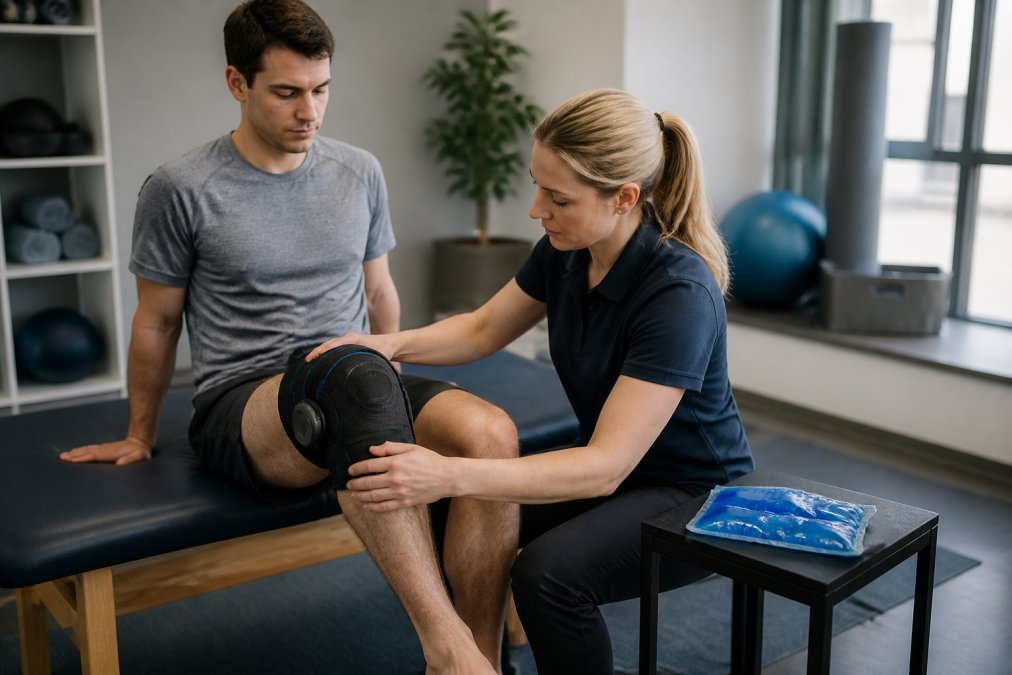
- Post-surgical recovery: A motorized cold therapy system with adjustable compression, ideally one your surgeon or physiotherapist can review.
- Small joints (wrist, thumb, hand): A targeted wearable wrap beats a full-joint system on convenience.
- Chronic conditions: A device with both heat and cold modes covers more of the day-to-day.
If you are choosing between a clinic-grade stationary unit and a portable one, the deciding factor is usually patient compliance, not peak cooling power. A device patients actually use at home outperforms a more capable one that stays in the treatment room.
Maintenance, Safety, and Long-Term Value
Maintenance and safety requirements separate devices that last from devices that become expensive paperweights. Gel packs are simple: wipe them down, re-freeze, replace when the gel stiffens or the seam leaks. Motorized units need a little more attention, and the home-use routine is where most buyers get surprised.
Home-Use Maintenance: What Each Option Actually Requires
Gel packs and ice wraps
- Wipe the exterior with a damp cloth after use; most are not machine washable.
- Re-freeze flat so the gel distributes evenly.
- Replace when the pack no longer holds cold for a full session or the seam shows wear.
- Storage is trivial: a freezer shelf or a drawer.
Gravity-fed cryo cuffs
- Empty and air-dry the cooler after each use to prevent mold in the reservoir.
- Rinse the cuff and tubing; a diluted vinegar solution handles most buildup.
- Check the hose connection for cracks, which cause slow leaks and uneven flow.
- Setup time is real: filling the cooler, connecting the hose, and positioning the cuff typically takes a few minutes per session.
Motorized cold therapy units
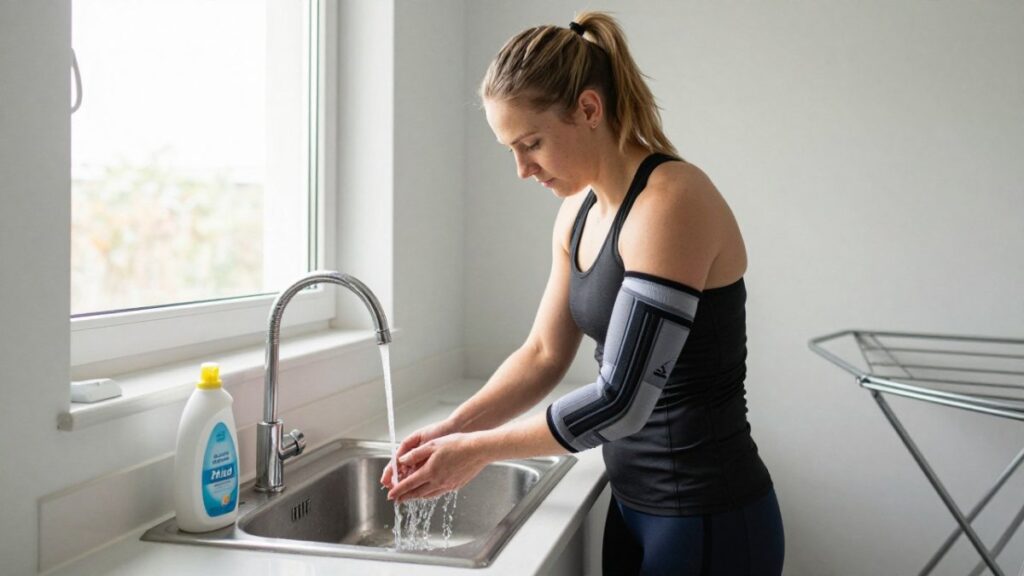
- Clean and dry conforming pads after each use to prevent bacterial growth; most pads are hand-wash only.
- Check tubing and seals for cracks, which cause leaks and uneven cold-flow circulation.
- Store batteries at partial charge if the unit sits unused for long periods; full discharge for months shortens battery life.
- Inspect skin before and after sessions, especially with sensitive skin.
- Setup is faster than a gravity-fed system once the unit is charged, but the pads still need to be fitted and the reservoir topped off.
If you share a unit between household members, keep a separate pad or a barrier layer for each person. Cross-use is the most common source of skin irritation complaints.
Insurance and Prescription Pathways
This is the part of the decision most guides skip. Cold therapy devices sit in a gray zone between durable medical equipment and general consumer goods, and coverage depends on how the device is classified and why it was prescribed.
- Prescription requirement: Many insurers only reimburse a motorized cold therapy unit when a physician writes a prescription specifying the device and the medical reason, often after surgery or a documented injury.
- Diagnosis codes: Claims typically need a supporting diagnosis code. A device bought for general soreness usually is not covered; one tied to a post-surgical recovery plan often is.
- Durable medical equipment vs. convenience item: Gravity-fed and motorized systems are more likely to be treated as durable medical equipment than a gel pack, which is almost always out of pocket.
- Documentation: Keep the prescription, the receipt, and any clinician notes. Insurers frequently request them after the fact.
- Flexible spending and health savings accounts: Even when insurance denies a claim, these accounts commonly allow cold therapy devices as a qualified medical expense with a prescription.
- Medicare and Medicaid: Coverage rules differ by plan and state, and a device must generally meet the program's definition of durable medical equipment to qualify.
A practical sequence: ask your surgeon or clinician whether they routinely prescribe a cold therapy device, then call your insurer with the device name and ask for the billing code before you buy. That single call prevents most reimbursement surprises.
Long-Term Value
On long-term value, factor in total cost of ownership rather than sticker price alone. A gel pack costs the least upfront but wears out and requires constant re-freezing. A motorized unit costs more initially but replaces multiple tools and holds temperature reliably session after session. If you are weighing whether a portable device delivers clinic-level results at home, the honest answer is that cordless models have closed much of the gap, and the convenience is what drives consistent use. The device you actually use every session outperforms the one that stays in the closet.
Frequently Asked Questions
Is cryotherapy better than an ice pack for injury recovery?
It depends on what you need. Gel ice packs can be a cost-effective option and work well for minor bumps and general aches. Portable cryotherapy units hold a steady temperature for 20 to 30 minutes, add intermittent compression, and stay cold without trips to the freezer. For post-surgical recovery or acute soft tissue injuries where consistent cold penetration matters, a motorized unit gives more control. For a stiff neck or a small bruise, a gel pack is often enough.
What are the benefits of cryocompression therapy compared with cold alone?
Combining cold with intermittent compression targets two problems at once. Cold slows metabolic activity and reduces joint inflammation, while compression helps move excess fluid away from the area, which supports edema reduction. The combination is common in rehabilitation protocols after orthopedic surgery and for acute injury management because it addresses both pain and swelling. Many users also report better patient compliance when the device does the work instead of holding a pack in place.
How long should you apply cold therapy to a soft tissue injury?
Most clinical guidance points to 15 to 20 minutes per session, with at least an hour between sessions to let skin temperature recover. Portable cryotherapy units with thermal regulation can run longer sessions safely because they hold a set temperature rather than starting cold and warming up. Traditional ice packs lose their chill within 10 to 15 minutes, so sessions tend to be shorter and less consistent. Always check the skin during and after use to guard against cold injury.
Are there risks with ice packs that regulated cryotherapy devices avoid?
Static ice packs can drop well below freezing on the skin surface, which raises the risk of skin necrosis and cold burns if left on too long, especially for patients with reduced sensation or poor circulation. Motorized cold therapy systems with precise temperature control and conforming pads keep the cold within a set range, which lowers that risk. Neither option is risk-free, and anyone with circulatory conditions, neuropathy, or compromised skin should check with a clinician before starting cold therapy.
Do I need a prescription or insurance approval for a portable cryotherapy device?
Coverage varies by plan and by the reason for treatment. Many insurers treat cold therapy devices as durable medical equipment, which means a physician's order and documentation of medical necessity may be required before they reimburse any portion. Traditional ice packs and gel wraps are usually out-of-pocket purchases because they cost so little. If you are considering a motorized unit after surgery, ask your surgeon's office whether they can provide the paperwork your plan requires, and confirm the details directly with your insurer.