Last Updated: November 2, 2026
Quick Summary
To wrap a sprained ankle with an ACE bandage, anchor the bandage at the ball of the foot, make two figure-eight passes around the foot and ankle, add a heel lock, then spiral up the lower leg and secure the metal clips. Keep the wrap snug, not tight, and stop two to three inches above the ankle bone.
- Use a 4-inch ACE bandage for most adult ankles and moderate swelling.
- Each new pass should overlap the previous one by about half its width.
- A heel lock pass keeps the bandage from sliding down during walking.
- A fingertip should slide easily under the top edge of the wrap.
- Most people should not sleep in a tight ACE bandage overnight.
Table of Contents
- What You Need Before You Wrap a Sprained Ankle
- Step-by-Step: How to Wrap an Ankle With an ACE Bandage for Swelling
- How to Wrap a Sprained Ankle by Yourself
- How Tight Should an Ankle Wrap Be? Warning Signs to Watch
- Should You Wrap a Sprained Ankle Overnight?
- How to Wrap a Sprained Ankle Without a Bandage
- When to See a Doctor for a Sprained Ankle
- Adding Cold and Compression Therapy to Your Recovery Plan
- Frequently Asked Questions
What You Need Before You Wrap a Sprained Ankle
Wrapping a sprained ankle with an ACE bandage takes only a few minutes and a few basic supplies. (Source: American Academy of Orthopaedic Surgeons)
An ACE bandage is an elastic compression wrap that supports the ankle and limits swelling after an injury.
Here is what to gather before you start:
- One elastic compression bandage, 3 or 4 inches wide
- The metal fastener clips that come with the bandage
- A pillow or rolled towel to prop the ankle up
Lotion makes the bandage slide and bunch. Dry skin holds the wrap in place.
Sit or lie down and raise the ankle to about heart level so swelling drains and the wrap goes on evenly.
Choosing the Right ACE Bandage Size
Bandage width matters more than most people expect.
- 3-inch bandage: best for smaller ankles, teens, and lighter support
- 4-inch bandage: best for most adult ankles and moderate swelling
- 6-inch bandage: best for larger calves and lower legs, not for the foot itself
A bandage that is too narrow digs in and leaves marks; one that is too wide bunches behind the heel. For very swollen ankles, a 4-inch wrap usually gives the best balance of coverage and control.
Check the bandage before use. Stretched-out elastic, missing clips, or frayed edges mean it is time for a new one.
Step-by-Step: How to Wrap an Ankle With an ACE Bandage for Swelling
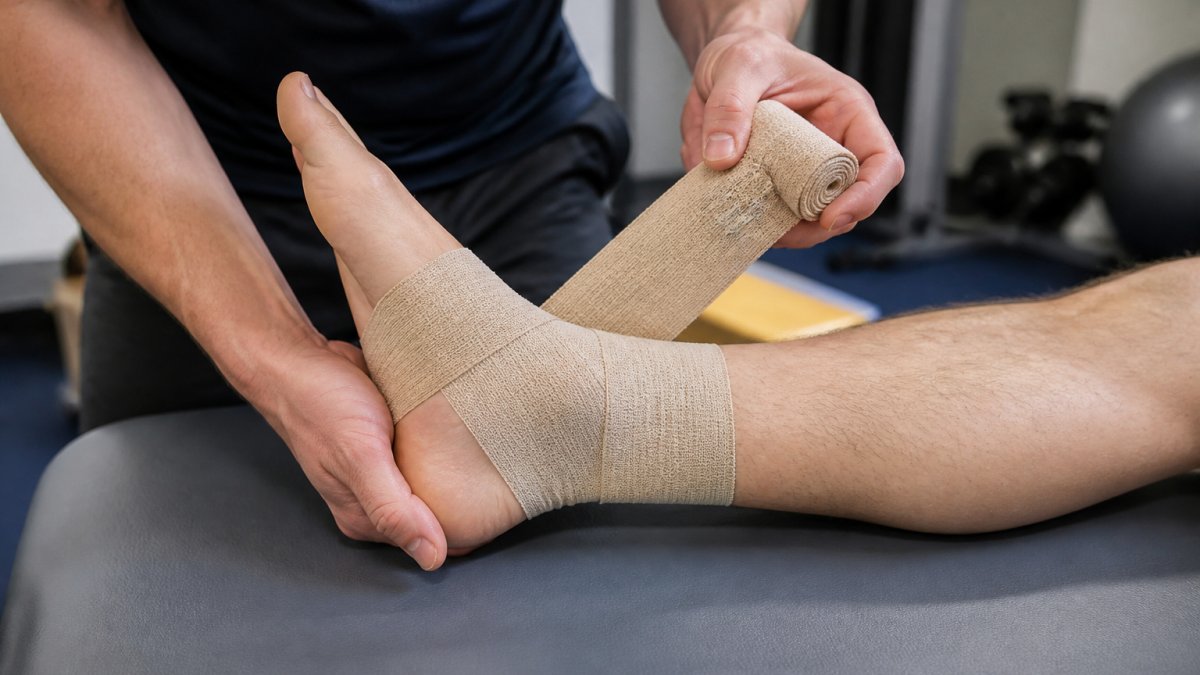
The order below keeps the bandage anchored and pressure even.
Follow these steps to wrap a sprained ankle with an ACE bandage for swelling.
Step 1: Anchor at the Ball of the Foot
Start at the ball of the foot, just behind the toes.
Keep the bandage flat and smooth. Wrinkles press into the skin and cause sore spots.
This first loop is your anchor. Press the starting edge flat before the second turn.
Watch out: if the anchor turn slides when you tug it gently, the bandage is too narrow or you started too close to the toes.
Step 2: Two Figure-Eight Passes Around the Foot and Ankle
Move diagonally across the top of the foot toward the outside of the ankle, wrap behind the heel, and come back across the top of the foot toward the inside of the ankle.
Each new pass should overlap the last by about half its width.
Do two full figure-eight passes. On the second pass, angle the bandage slightly higher so the crossing point sits just above the ankle bone rather than directly on it.
Step 3: Heel Lock for Stability
A heel lock is the pass most home wrappers skip, and it keeps the bandage from sliding down during walking.
From the outside of the ankle, bring the bandage down and across the front of the heel, under the arch, and back up the inside of the ankle.
Watch out: a heel lock pulled too tight causes arch cramping within minutes. If the bottom of the foot starts to ache, loosen that pass before continuing.
Step 4: Spiral Up the Lower Leg
Continue upward in a spiral, with each turn overlapping the previous one by about half its width. Stop two to three inches above the ankle bone, before the thickest part of the calf muscle.
Wrapping far up the calf does little for the ankle and can restrict circulation.
Keep the tension light and even. The bandage should feel snug, not tight, and the stretch should be roughly the same on every pass.
Step 5: Secure the Fastener and Check the Fit
Finish with the bandage sitting flat against the skin. Press the metal clips onto the wrap, away from bare skin, and make sure both prongs bite into the fabric rather than the skin.
Then check the fit right away:
- Press a fingertip under the top edge. It should slide in easily.
- Look at the toes. They should be warm and their normal color.
- Ask about numbness, tingling, or throbbing. Any of these means the wrap is too tight.
Loosen and rewrap if anything feels wrong. A wrap often takes two tries.
Troubleshooting a Wrap That Will Not Stay Put
- Bandage slips down the heel: the anchor turn was too loose or the heel lock was skipped. Rewrap and add the heel lock pass.
- Bandage bunches behind the heel: the bandage is too wide for the foot. Switch from a 4-inch to a 3-inch bandage for the foot portion.
- Gaps show skin between passes: overlap was less than half the bandage width. Increase overlap on the next pass.
A wrap that stays flat, covers the ankle without gaps, and lets a fingertip slide under the top edge is doing its job. If it fails any check, rewrap before activity.
How to Wrap a Sprained Ankle by Yourself
Wrapping your own ankle is harder than wrapping someone else's, but it is manageable with a few adjustments.
Sit on the floor or a bed with the injured leg bent and the foot flat.
Pre-roll a few inches of bandage before you start. This gives you a clean edge to hold against the foot. (Source: National Institutes of Health (NIH) on RICE therapy)
Then work in this order:
- Anchor at the ball of the foot with one hand.
- Use the other hand to guide the roll around the heel.
- Cross over the top of the foot in a figure-eight.
- Stop and check the toes before the final pass.
A common mistake is rushing the anchor turn.
A mirror on the floor or a full-length mirror helps you see the back of the heel.
How Tight Should an Ankle Wrap Be? Warning Signs to Watch
An ankle wrap should feel firm and supportive but never restrictive. You should be able to slide one finger under the top edge without effort, and the toes should stay warm and pink.
Compression helps control swelling, but too much pressure blocks circulation. Check the wrap within the first ten minutes and again after an hour of activity.
The Five Warning Signs of a Too-Tight Wrap
Check for these in order. Any one of them means the wrap comes off now, not later.
- Numbness or tingling in the toes or foot that was not there before wrapping
- Cold toes or toes that look pale, blue, or gray compared with the other foot
- Throbbing pain that gets worse instead of better after the wrap goes on
What to Do Immediately If the Wrap Is Too Tight
- Remove the bandage completely. Do not slide it down, which bunches the fabric and concentrates pressure.
- Elevate the ankle above heart level and wait five to ten minutes for color and sensation to return.
- Check the toes again; warmth and normal color should return within a few minutes.
- Rewrap with noticeably less tension, using the same figure-eight pattern.
- Recheck the toes ten minutes after rewrapping.
If numbness, tingling, coldness, or color change does not resolve within about fifteen minutes of removing the wrap, seek medical care the same day. Persistent nerve or circulation symptoms are not something to wait out overnight.
Signs the Wrap Is Too Loose
A wrap that is too loose is safer than one that is too tight, but it also fails to control swelling. Watch for:
- The bandage slides down the heel within a few steps
- Gaps appear between passes when the ankle moves
- Swelling visibly increases over an hour despite the wrap
Rewrap with slightly more stretch on each pass, still keeping a fingertip's worth of give under the top edge.
Who Should Not Rely on a Standard Wrap
Anyone with diabetes, peripheral artery disease, nerve damage, or a history of blood clots should not self-manage compression without clinician guidance. The same applies to a known fracture or a post-surgical ankle.
General cold therapy safety guidance is worth reviewing alongside wrap technique, since ice and compression are often used together.
Should You Wrap a Sprained Ankle Overnight?
Most people should not sleep in a tight ACE bandage. Swelling often peaks in the first day or two, and a wrap that felt fine at dinner can feel tight by morning.
A safer approach for overnight:
- Loosen the wrap before bed, or remove it
- Elevate the ankle on a pillow while sleeping
- Rewrap in the morning if support is still needed
Some clinicians suggest a light wrap overnight for support, but that decision belongs to the treating professional. Anyone with circulation problems, diabetes, or nerve damage should ask before wrapping overnight at all.
How to Wrap a Sprained Ankle Without a Bandage
No ACE bandage on hand? A few household items can provide short-term support until a proper wrap is available.
- A long sock or stocking: cut off the foot portion and use the tube as a light sleeve.
- A clean cloth or towel strip: fold lengthwise into a 3-inch strip and wrap in the same figure-eight pattern.
- A triangular bandage or scarf: fold into a strip and secure the end with tape or a safety pin.
None of these match an elastic bandage for even compression. Use them only as a stopgap, and swap to a real compression wrap as soon as possible. Readers seeking alternatives can compare the best ankle braces for sports recovery.
When to See a Doctor for a Sprained Ankle
Some ankle injuries need medical assessment, not just a wrap. Seek care the same day if any of these apply:
- The ankle cannot bear weight at all
- The foot or ankle looks deformed
- Bone tenderness runs along the inner or outer ankle bone
A fracture can look like a sprain at first. Only imaging can rule one out. Readers who want a broader guide to speeding up recovery can read how to speed up ankle sprain recovery.
Anyone with a known fracture, a post-surgical ankle, or poor circulation should follow their clinician's wrapping instructions rather than a general guide.
Adding Cold and Compression Therapy to Your Recovery Plan
Wrapping is one piece of ankle recovery. Cold therapy, elevation, and graded movement fill out the rest.
A typical early routine looks like this:
- Wrap the ankle for support during the day.
- Apply cold for short periods, always with a cloth barrier on the skin.
- Elevate above heart level when resting.
- Remove the wrap for sleep and check the skin.
Cold calms pain and compression limits swelling, so doing both at once keeps the routine simple. Readers considering dedicated devices can explore portable cold and compression therapy.
For a full walkthrough of the ankle-specific technique, see how to apply cold compression for an ankle sprain.
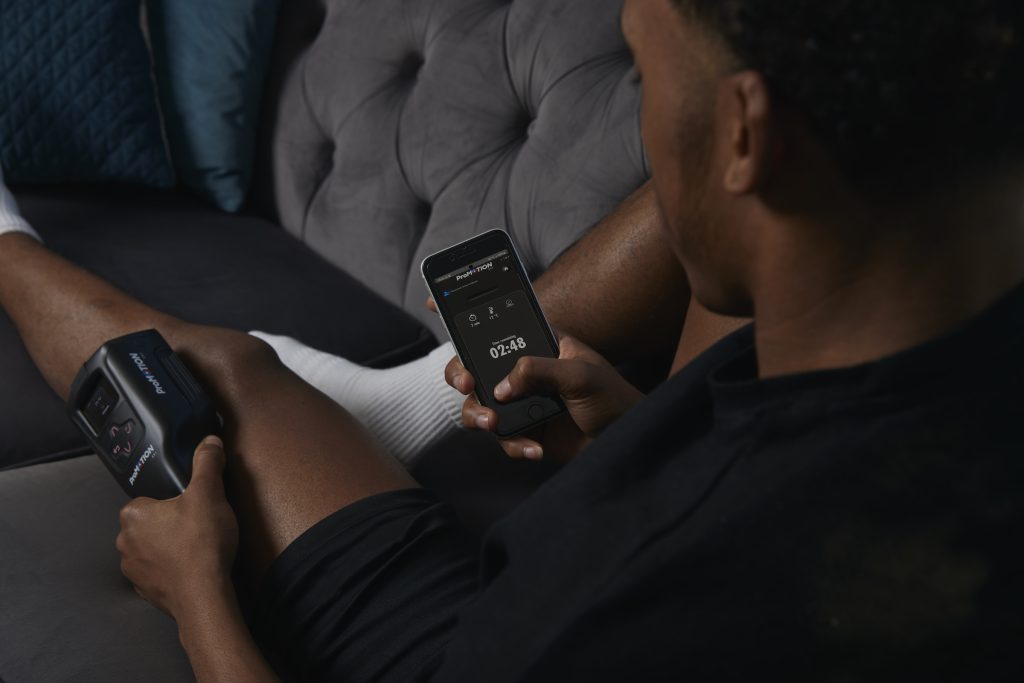
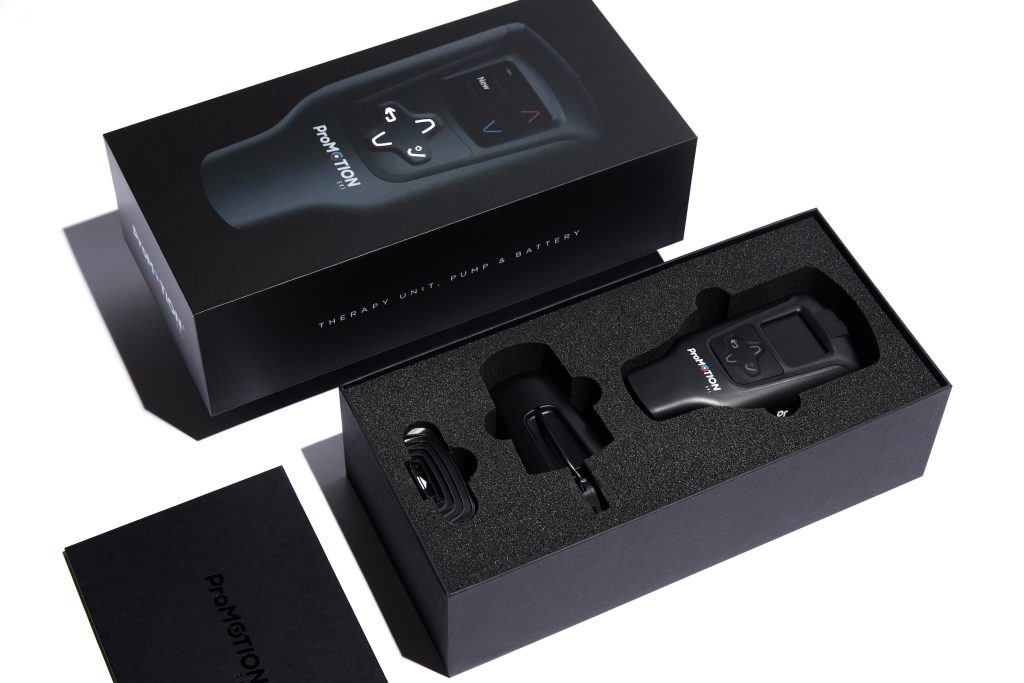
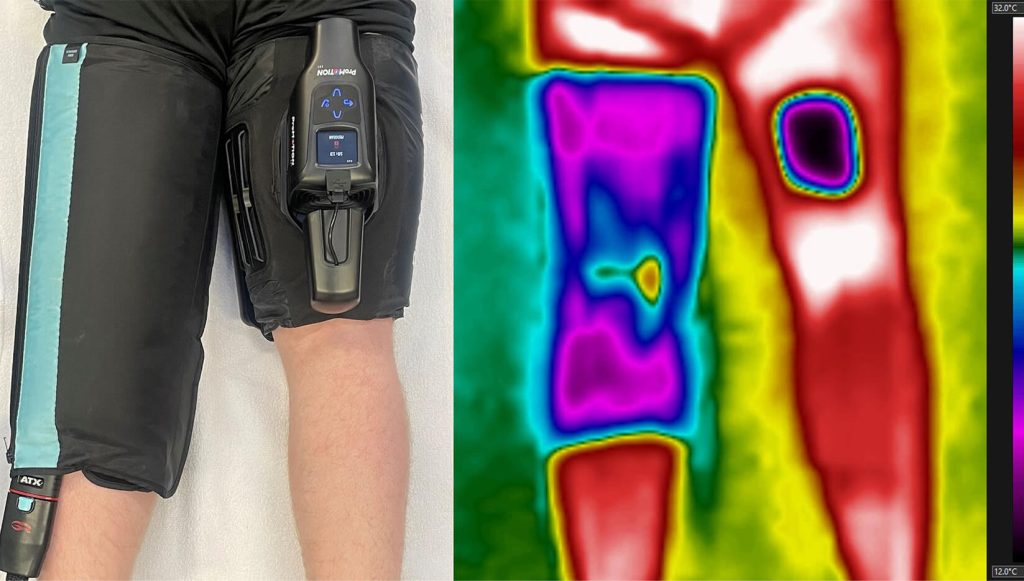
Swellaway offers the ProMOTION EV1, a portable device that combines cryotherapy, heat therapy, and compression in one cordless unit. Alongside compression and temperature therapy, anti-inflammatory foods can be part of a broader approach to supporting recovery from an ankle sprain.
| Recovery Stage | Wrap Use | Cold Therapy | What to Check |
|---|---|---|---|
| First 48 hours | Snug wrap, removed for sleep | Short, frequent sessions | Toes warm, no numbness |
| Days 3-7 | Support during activity | After activity and at night | Swelling easing, skin intact |
| Week 2 onward | As needed for support | As directed by clinician | Pain-free range of motion |
Ankle sprains heal on their own timeline, and a well-applied wrap supports that process.
Frequently Asked Questions
Will an ACE bandage help a sprained ankle?
An ACE bandage provides compression that can help control swelling and give the joint light support while you move. It does not replace rest, ice, or elevation, and it will not fix a torn ligament on its own. Think of it as one part of a broader recovery plan. If pain or swelling does not improve within a few days, or if you cannot bear weight, see a doctor to rule out a fracture or a more serious injury.
How tight should an ankle compression wrap be?
The wrap should feel snug but never restrictive. You should be able to slide one finger under the edge of the bandage without much effort. Check your toes after wrapping: they should stay warm and pink. Numbness, tingling, cold toes, or a change in skin color mean the wrap is too tight and you should loosen it right away. Even pressure from the ball of the foot up toward the calf matters more than how hard you pull.
How long should you keep an ACE bandage on a sprained ankle?
Most people wear an ACE bandage during the day for the first two to three days after the injury, removing it at night unless a clinician tells you otherwise. Rewrap it each morning and check the fit. Take it off to shower and to inspect the skin. If swelling has gone down, you may not need it as often. Stop using it if your toes feel numb or the skin looks pale or blue.
What should you do if your toes feel numb or change color after wrapping?
Loosen or remove the bandage immediately. Numbness, tingling, cold toes, or skin that turns pale or blue are signs the wrap is cutting off circulation. Rewrap with lighter, even tension, starting at the ball of the foot and working up toward the calf. If feeling and color do not return within a few minutes, or if the foot stays cold, seek medical care the same day.