Table of Contents
- What Is Portable Cryotherapy and How It Works
- Pain Relief and Inflammation Management
- Muscle Soreness, Recovery, and Injury Care
- Using a Portable Cryotherapy Device: Step-by-Step
- Portable Cryotherapy Device Types and Features
- Cryotherapy Safety Precautions and When to Seek Medical Advice
- Portable Cryotherapy vs. Ice Packs: What's the Real Difference
- Frequently Asked Questions
Last Updated: October 10, 2026
What Is Portable Cryotherapy and How It Works
Portable cryotherapy is a targeted cold therapy system that delivers controlled cooling to specific areas of the body without requiring a clinic visit or stationary equipment. Unlike traditional ice packs, portable cryotherapy devices use advanced technology to maintain precise temperatures and apply consistent pressure, accelerating recovery from soft tissue injuries, muscle soreness, and post-operative swelling.
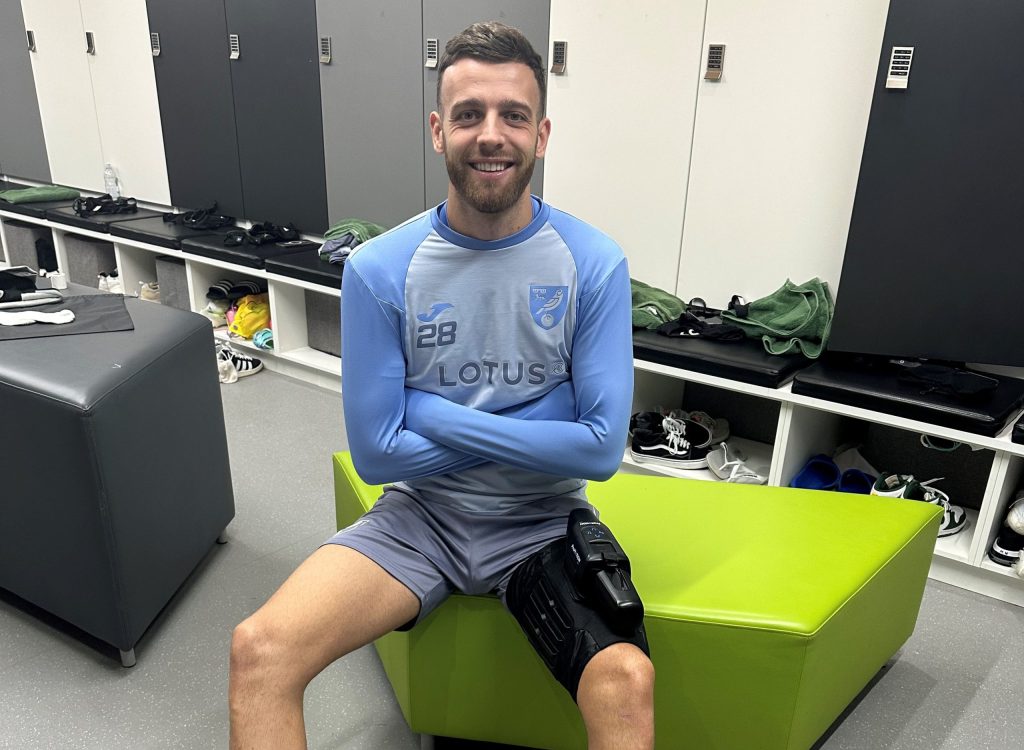
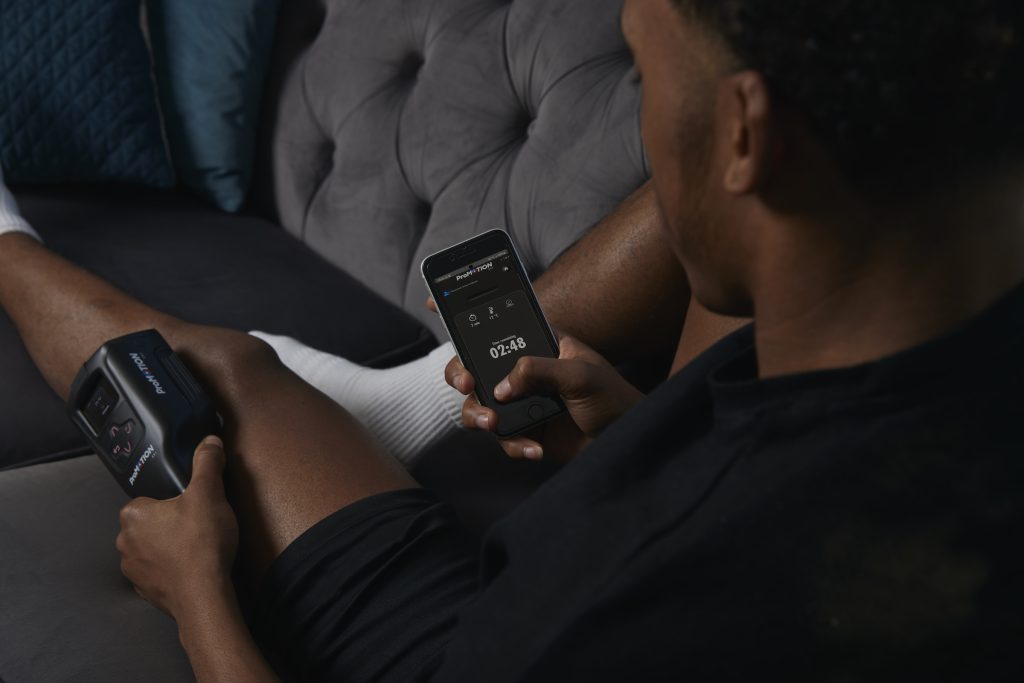
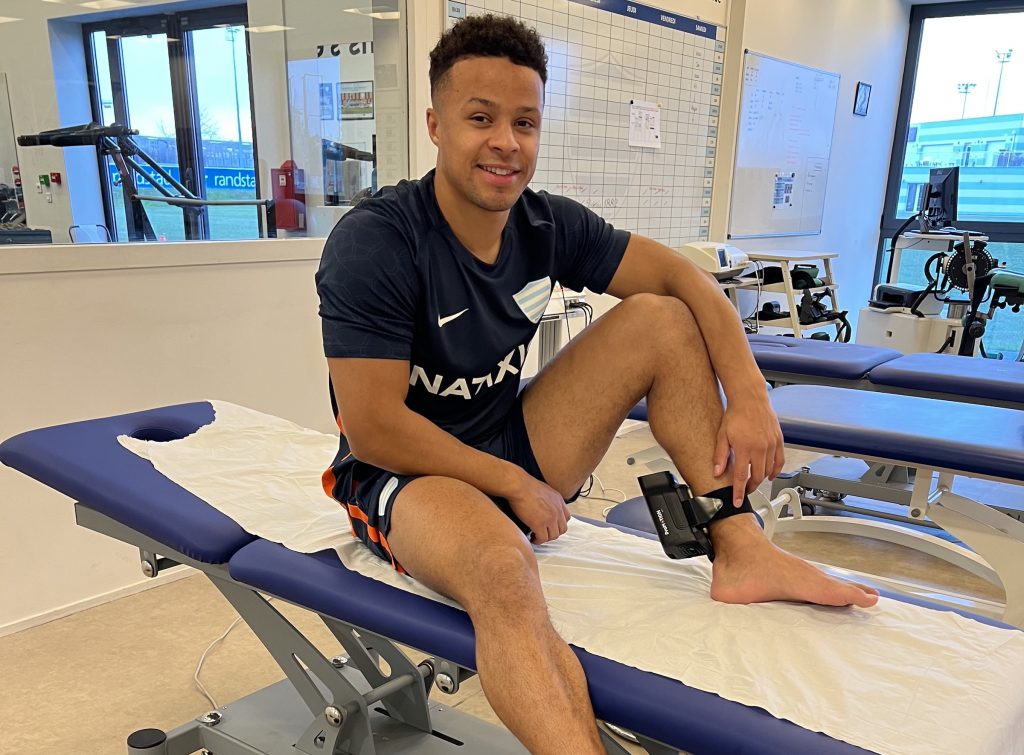
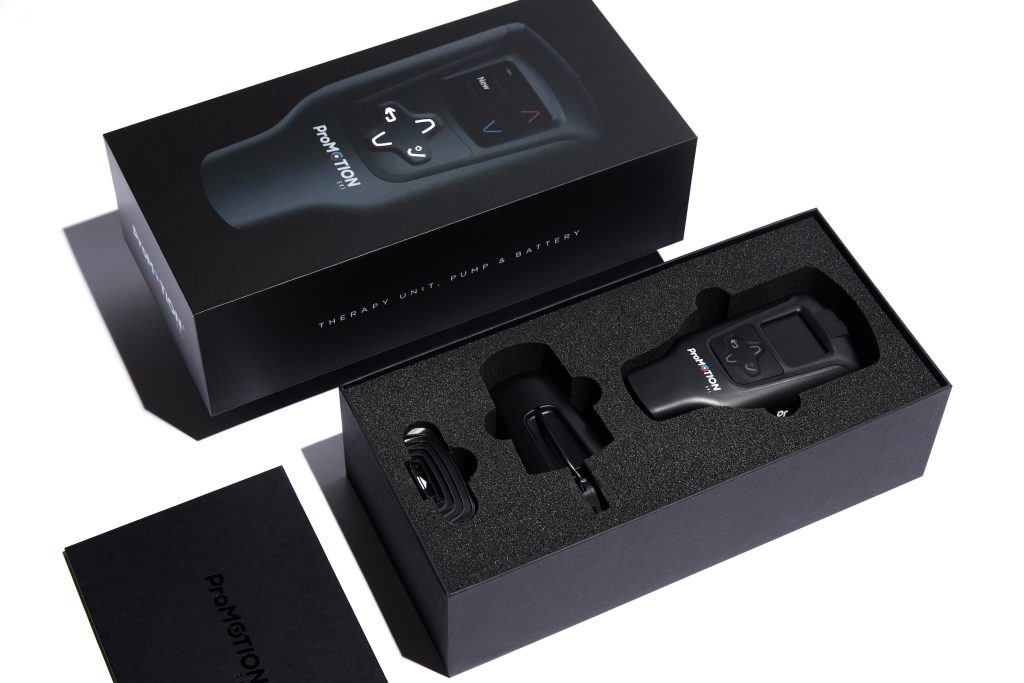
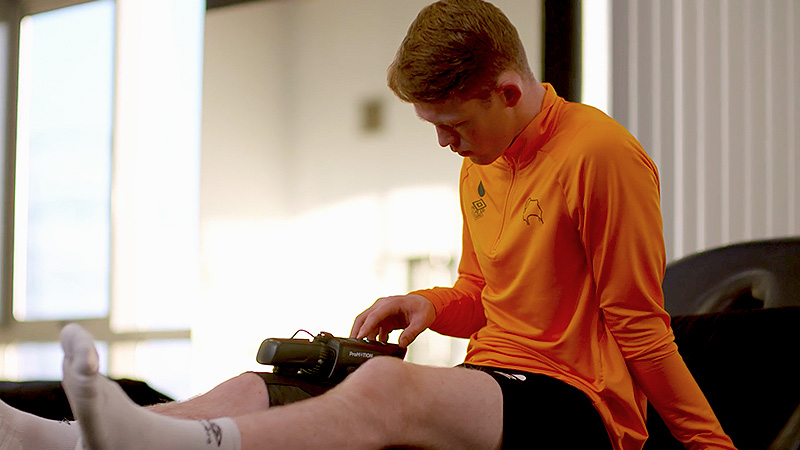
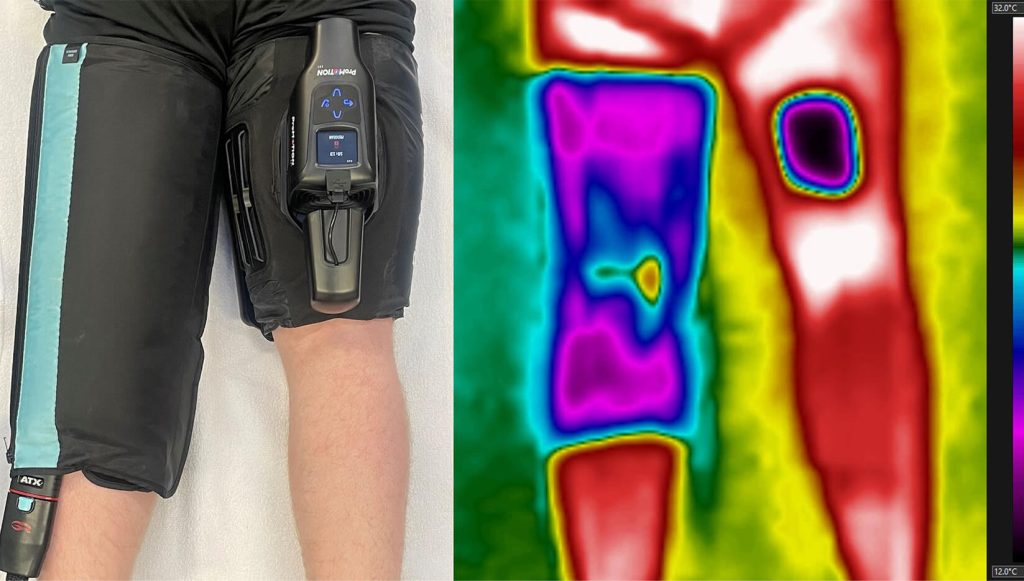
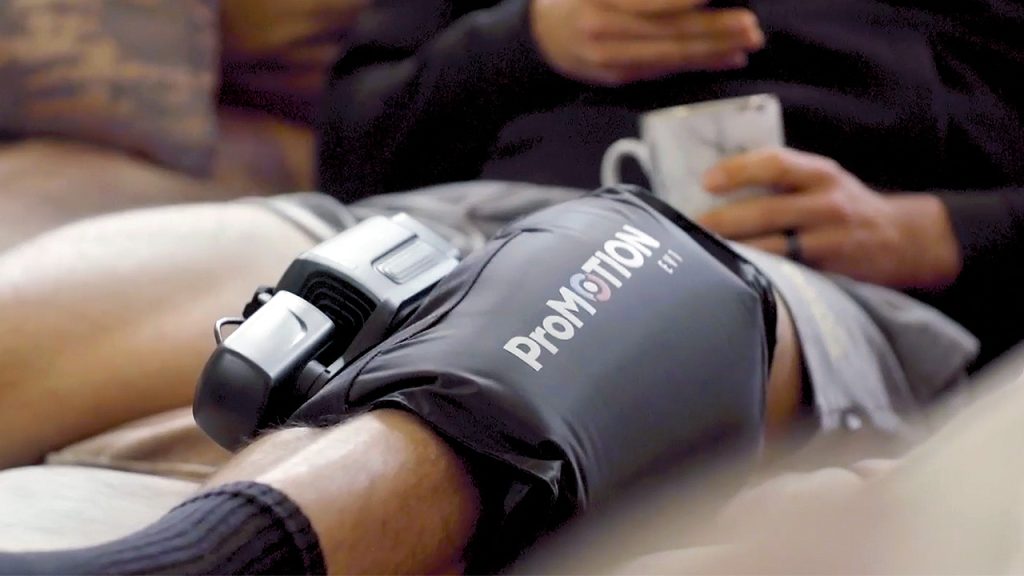
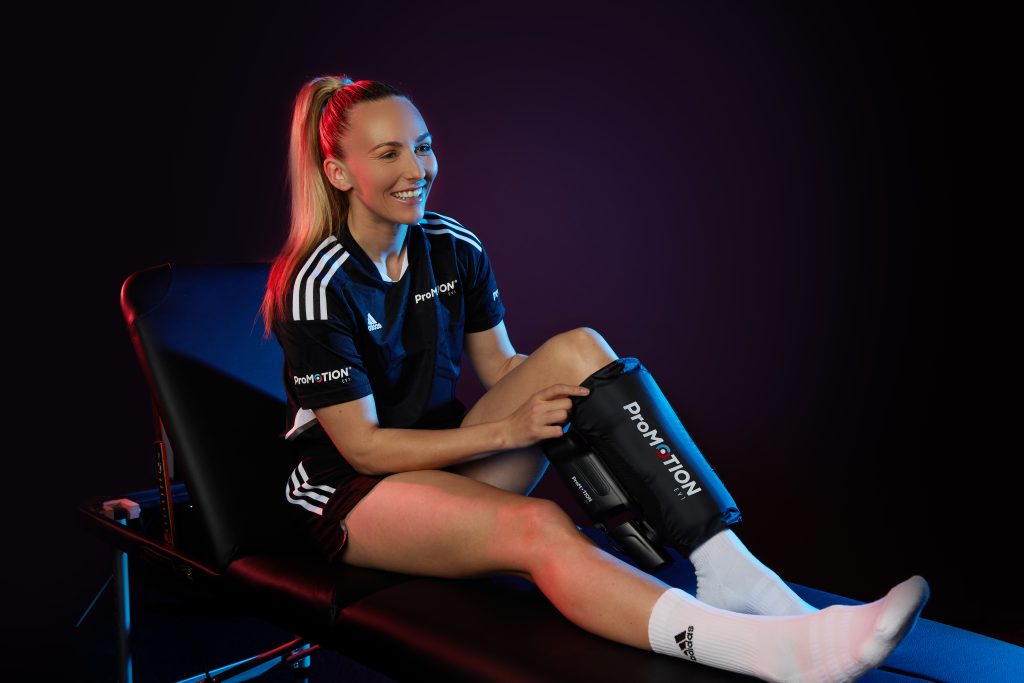
The ProMOTION EV1 combines cryotherapy, heat therapy, and compression in one cordless unit, addressing pain and inflammation simultaneously, which is why athletes and physiotherapy professionals rely on it.
Cold exposure narrows blood vessels, reducing blood flow and swelling while slowing pain signals. When removed, vessels dilate and oxygen-rich blood returns, supporting the body's natural healing response.
Portable cryotherapy maintains exact temperatures and applies measured compression, while ice packs cool unevenly and lose effectiveness as they warm, a critical difference for acute injuries and post-operative care.
Portable cryotherapy works best within the first 48-72 hours after an injury. Early intervention during this window yields the strongest inflammation reduction and pain relief.
Pain Relief and Inflammation Management
Cold therapy reduces pain by interrupting nerve signaling and reducing inflammatory swelling. Below 50°F, pain receptors become less active while blood vessels narrow, limiting inflammatory compounds, a dual mechanism standard in acute injury care.
What research supports. Clinical evidence backs cryotherapy for acute pain and swelling in the first 48-72 hours after injury, showing faster functional recovery in soft tissue injuries, sprains, and post-operative swelling.
Excessive swelling delays healing by compressing tissue and limiting blood flow. Portable cryotherapy controls this by reducing fluid accumulation, limiting inflammatory mediators, maintaining therapeutic tissue temperatures (50-65°F), and supporting natural healing without suppressing necessary signals.
Combining cryotherapy with compression amplifies pain relief by preventing fluid pooling while slowing inflammation, addressing both pain sensation and its underlying cause, which is why professional sports medicine teams use dual-modality devices.
What remains uncertain. Broader wellness claims, improving athletic performance in non-injured athletes, enhancing normal training recovery, or providing systemic health benefits, lack rigorous clinical support. Using portable cryotherapy for acute injury pain is evidence-based; using it for general wellness is emerging with mixed results.
Post-operative patients can apply portable cryotherapy multiple times daily at home during the critical first two weeks, minimizing swelling-related pain and supporting faster functional recovery without clinic visits.
Portable cryotherapy is most effective for acute pain and swelling in the first 48-72 hours after injury. For chronic pain, general wellness, or non-acute conditions, the evidence is weaker and results are more variable. Always confirm with a healthcare provider before using cryotherapy for post-operative care or chronic conditions.
Muscle Soreness, Recovery, and Injury Care
Delayed-onset muscle soreness (DOMS) peaks 24-48 hours after intense exercise. Cold exposure during this window reduces soreness intensity and supports faster return to training.
Soft tissue injuries, sprains, strains, and bruises benefit significantly from early cold therapy, which limits secondary tissue damage and preserves muscle function.
Recovery acceleration depends on consistent treatment: immediately after training, before sleep, during the first 48-72 hours post-injury, and as part of rehabilitation protocols.
Professional sports teams use portable cryotherapy for measurable results without travel, supporting faster returns to peak performance during competitive seasons.
The real advantage of portable cryotherapy for injury care is consistency. Athletes can apply targeted treatment multiple times daily, controlling inflammation during the critical early healing window when swelling is most aggressive.
Using a Portable Cryotherapy Device: Step-by-Step
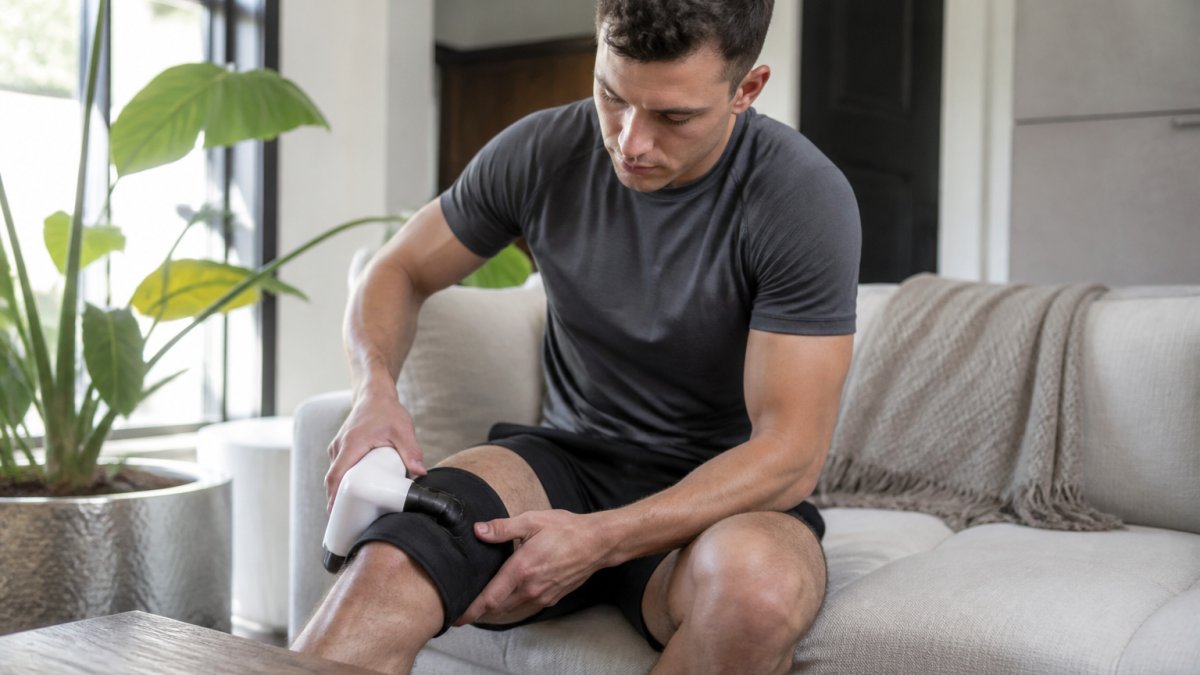
Step 1: Prepare the treatment area. Ensure skin is clean and dry. Avoid open wounds, blisters, or broken skin. Light trimming improves contact if needed.
Step 2: Check the device battery. Cordless devices depend on battery charge. Verify full charge before treatment, especially during tournaments or travel when charging options may be limited.
Step 3: Select temperature and compression settings. Begin with moderate settings if new to the device. Lower temperatures (around 50-60°F) work well for acute injuries. Higher temperatures (60-70°F) suit maintenance therapy and sensitive skin.
Step 4: Apply the device to the target area. Position the applicator firmly against skin and move slowly to ensure even cooling.
Step 5: Monitor treatment duration. Most sessions last 10-20 minutes. Extended cold exposure can damage tissue; follow device guidelines.
Step 6: Remove the device and inspect skin. Skin should appear slightly pink or red. If very red or blistered, discontinue use and seek medical advice.
Step 7: Allow recovery time between sessions. Wait at least 2-3 hours before applying the device to the same area again. This prevents tissue damage from excessive cold exposure.
(Source: [research on the physiological effects of cold exposure](https://www.ncbi.nlm.nih.gov/pmc/articles/PMC5704137/))
Portable Cryotherapy Device Types and Features
Portable cryotherapy devices fall into three primary categories based on cooling mechanism. Each offers distinct advantages and trade-offs for different use cases, budgets, and portability needs.
Cold-air devices use motorized fans to circulate chilled air. Lightweight (2-4 pounds), battery-efficient, and quick-cooling, they're ideal for travel but feel less intense than water-based systems and require filter cleaning. Battery life: 4-6 hours. Cost: $200-$400. Best for: athletes needing portability or users with sensitive skin.
Circulating-water systems pump temperature-controlled water through applicators, delivering consistent deep cooling with precise temperature control (45-75°F). Heavier (4-8 pounds) and requiring water filling and descaling, they offer superior stability for extended sessions. Battery life: 3-5 hours. Cost: $400-$800. Best for: clinics, professional athletes, or users needing exact temperature reproducibility.
Ice-based systems use gel packs or ice cartridges for cooling. These are the most portable (often under 2 pounds), require no battery charging, and are the least expensive upfront ($50-$150). However, temperature consistency declines as ice melts, typically warming 10-15 degrees within 15-20 minutes. They lack precision temperature control and are best suited for occasional use or emergency injury management.
Practical selection guide:
| Factor | Cold-Air | Circulating-Water | Ice-Based |
|---|---|---|---|
| Portability | High (lightweight) | Moderate (heavier) | Very high (minimal) |
| Temperature consistency | Moderate (variable) | High (precise) | Low (declining) |
| Depth of cooling | Moderate | High | Moderate |
| Maintenance | Filter cleaning | Water filling, descaling | Gel pack replacement |
| Battery life | 4-6 hours | 3-5 hours | None required |
| Upfront cost | $200-$400 | $400-$800 | $50-$150 |
| Annual supply cost | $0-$50 | $0-$30 | $100-$200 |
| Best for | Travel, frequent use | Clinical settings, daily therapy | Occasional use, backup |
Cost-benefit over time. Ice packs appear inexpensive initially but require continuous replacement. Portable cryotherapy devices represent higher upfront investment but eliminate ongoing supply costs. For physiotherapy clinics or professional athletes using therapy multiple times daily, portable systems can become cost-effective. Home users treating occasional injuries may find ice packs adequate unless they value convenience and temperature precision.
Additional features to evaluate:
- Applicator size and shape: Larger applicators cover bigger areas (knees, shoulders) but are less precise for small joints. Smaller applicators target specific muscles or ankles but require longer treatment times for large areas.
- Compression settings: Devices offering adjustable compression (typically 0-60 mmHg) allow users to customize intensity. Fixed-compression systems are simpler but less adaptable to different injury types.
- Portability design: Cordless systems offer freedom of movement; corded devices require proximity to power but eliminate battery concerns. Consider your typical use environment (home, clinic, sideline).
- Warranty and support: Professional-grade devices often include 2-3 year warranties and technical support. Consumer models may offer 1-year coverage. Check availability of replacement parts and repair services.
- Noise level: Cold-air devices produce fan noise (typically 60-75 decibels); water-based systems are quieter. This matters if using therapy during work or in shared spaces.
The choice depends on injury severity, usage frequency, and environment. Minor soreness or occasional use may be well-served by ice packs or cold-air devices. Acute injuries, post-operative care, or frequent athletic training, especially in clinical or professional settings, benefit significantly from circulating-water systems' precision and consistency.
If you're new to portable cryotherapy, start with a cold-air or ice-based system to understand your tolerance and preferred treatment duration. Once you've established a consistent protocol, upgrading to a circulating-water system offers better long-term value if you plan to use therapy regularly.
Cryotherapy Safety Precautions and When to Seek Medical Advice
Cold therapy is generally safe when applied correctly, but certain conditions and situations require caution or medical consultation.
Avoid portable cryotherapy if you have:
- Raynaud's syndrome or severe cold sensitivity
- Neuropathy or reduced sensation in the treatment area
- Active skin infections or open wounds
- Severe circulatory conditions
- Acute compartment syndrome
Common side effects are mild and temporary:
- Skin redness or slight irritation
- Temporary numbness during or shortly after treatment
- Minor discomfort if temperature is too cold
Skin redness typically resolves within 30-60 minutes. If redness persists beyond 2 hours or skin develops blistering, discontinue use immediately.
Seek medical advice if:
- Pain worsens after 48-72 hours of treatment
- Swelling increases despite consistent cryotherapy
- Skin develops blistering, severe redness, or signs of frostbite
- Numbness or tingling extends beyond the treatment area
- You experience chest pain, shortness of breath, or other systemic symptoms
Post-operative patients should confirm with their surgeon before beginning any cryotherapy protocol. Some surgical procedures have specific restrictions on cold therapy timing or intensity.
Never apply cryotherapy for more than 20 minutes per session without professional guidance. Extended cold exposure can damage healthy tissue and cause frostbite-like injury. If you have reduced sensation or neuropathy, use lower temperatures and shorter durations, or consult a healthcare provider first.
Portable Cryotherapy vs. Ice Packs: What's the Real Difference
Ice packs and portable cryotherapy devices both use cold to manage pain and swelling, but their mechanisms and effectiveness differ significantly.
Temperature consistency. Ice packs warm continuously as they sit against skin. After 10 minutes, an ice pack has typically warmed 10-15 degrees. Portable cryotherapy devices maintain set temperatures throughout treatment, providing predictable therapeutic benefit.
Compression application. Ice packs rely on gravity and manual pressure. Portable cryotherapy systems deliver measured compression alongside cold, addressing swelling more effectively. This dual mechanism reduces inflammation faster than cold alone.
Treatment precision. Ice packs cool broadly across large areas. Portable cryotherapy applicators target specific muscles or joints, concentrating cooling where it's needed most. This precision is critical for athletes managing isolated injuries.
Convenience and accessibility. Ice packs require freezing time and are limited by melt duration. Portable cryotherapy devices are ready on demand and work consistently across multiple daily sessions. For busy athletes or clinics, this reliability matters.
Cost over time. Ice packs are inexpensive initially but require continuous replacement. Portable cryotherapy devices represent higher upfront investment but eliminate ongoing supply costs. For physiotherapy clinics or professional athletes using therapy multiple times daily, portable systems become cost-effective within months.
Clinical outcomes. Research and professional experience show that portable cryotherapy can produce faster swelling reduction and pain relief compared to ice packs alone.
The choice depends on injury severity and usage frequency. Minor soreness may respond well to ice packs. Acute injuries, post-operative care, or frequent athletic training benefit significantly from portable cryotherapy's precision and consistency.
Frequently Asked Questions
What is the difference between portable cryotherapy and whole-body cryotherapy?
Portable cryotherapy targets specific areas of the body, a knee, shoulder, ankle, or muscle group, using a handheld or wearable device you control at home or on the go. Whole-body cryotherapy exposes your entire body to extreme cold in a chamber for a few minutes. Portable cryotherapy offers precision, convenience, and the ability to combine cold therapy with compression or heat, making it ideal for localized injury recovery and pain management without requiring a clinic visit.
How long should you use a portable cryotherapy device in each session?
Most portable cryotherapy devices are designed for sessions lasting 10 to 20 minutes per area, depending on the device and the type of injury. Always follow the manufacturer's guidelines and consult your physiotherapist or doctor for your specific condition. Starting with shorter sessions and gradually increasing duration helps your body adapt. Overuse can lead to skin irritation or nerve irritation, so consistency and moderation matter more than extended sessions.
Is portable cryotherapy safe to use at home without professional supervision?
Yes, portable cryotherapy devices are designed for safe at-home use when you follow safety precautions. Protect your skin with a thin barrier (cloth or towel), never apply cold therapy directly to bare skin, and avoid using it over areas with poor circulation or nerve damage. If you have sensitive skin, compromised circulation, or active wounds, consult a healthcare provider first. Most devices include temperature controls so you can adjust intensity to your comfort level.
Can portable cryotherapy be combined with heat therapy and compression for better results?
Yes. Many portable cryotherapy devices, including multi-therapy units, combine cold therapy with compression and heat in a single device. Cold therapy reduces inflammation and pain; compression minimizes swelling; heat therapy promotes blood flow and relaxation. This combination approach, often called contrast therapy or multi-modal recovery, can accelerate healing after soft tissue injuries, post-surgical recovery, and chronic pain conditions. Always follow your physiotherapist's or surgeon's recommendations for the sequence and timing of each therapy.