Quick Summary
Portable cryotherapy is a cold therapy system that delivers controlled cooling to a swollen joint through a compression pad. It may ease short-term pain and swelling, but evidence for arthritis is limited, and it does not treat the underlying cause.
- Cooling can constrict local blood vessels, which may slow fluid flow into swollen tissue.
- Continuous, adjustable cooling differs from a single ice pack, which warms up within minutes.
- Evidence for arthritis relief is more limited and less consistent than for acute injury.
- Elevate the joint during sessions and check the skin before, during and after each one.
- Stop the session and seek advice if skin turns white, waxy or blue, or numbness persists.
Table of Contents
- How Portable Cryotherapy Works on Swollen Joints
- Cryotherapy Benefits for Joint Swelling and Pain
- Cryotherapy for Arthritis: What the Evidence Suggests
- Portable Cryotherapy Knee Machines Compared: Pros, Cons and Pricing
- Step-by-Step: Using a Portable Cold Therapy Unit on a Swollen Joint
- Safety Limits, Warning Signs and When to Avoid Cold Therapy
- Deciding Whether a Portable Cryotherapy Device Fits Your Recovery Plan
- Frequently Asked Questions
How Portable Cryotherapy Works on Swollen Joints
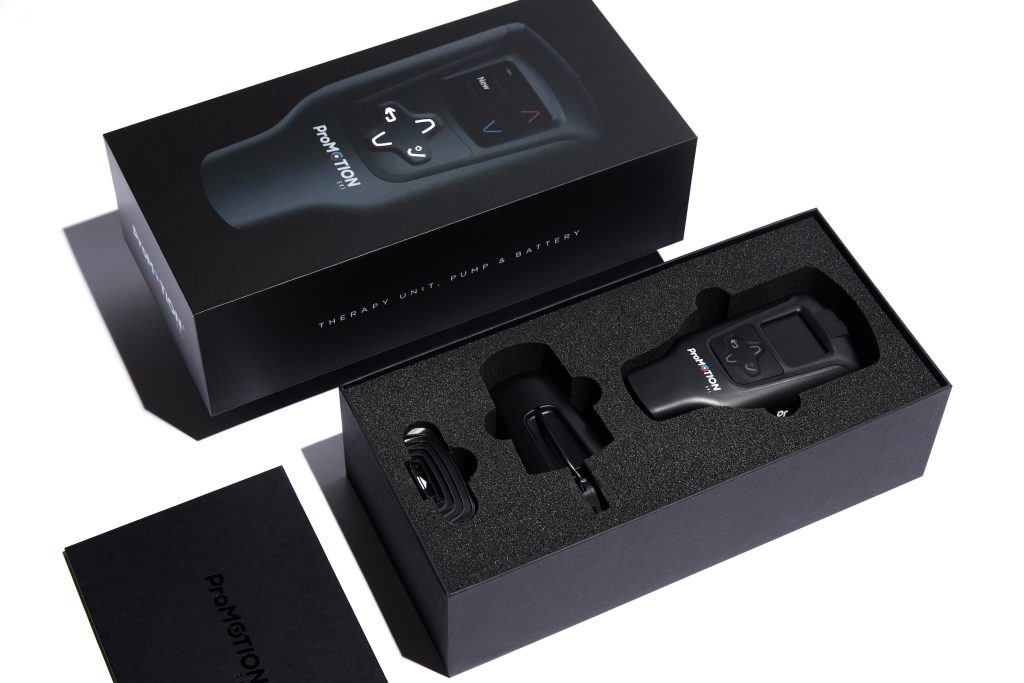
Portable cryotherapy is a cold therapy system that delivers controlled cooling to a specific joint, typically through a compression pad connected to a small electric or battery-powered unit. Learn the basics of how portable cryotherapy works The goal is to lower the surface temperature of the tissue so the joint feels less sore and can be moved more comfortably. Many people compare it with the bag of ice in their freezer, and the difference is mainly consistency and control. See how it stacks up against traditional ice packs (Source: National Institutes of Health overview of cold therapy for acute injuries)
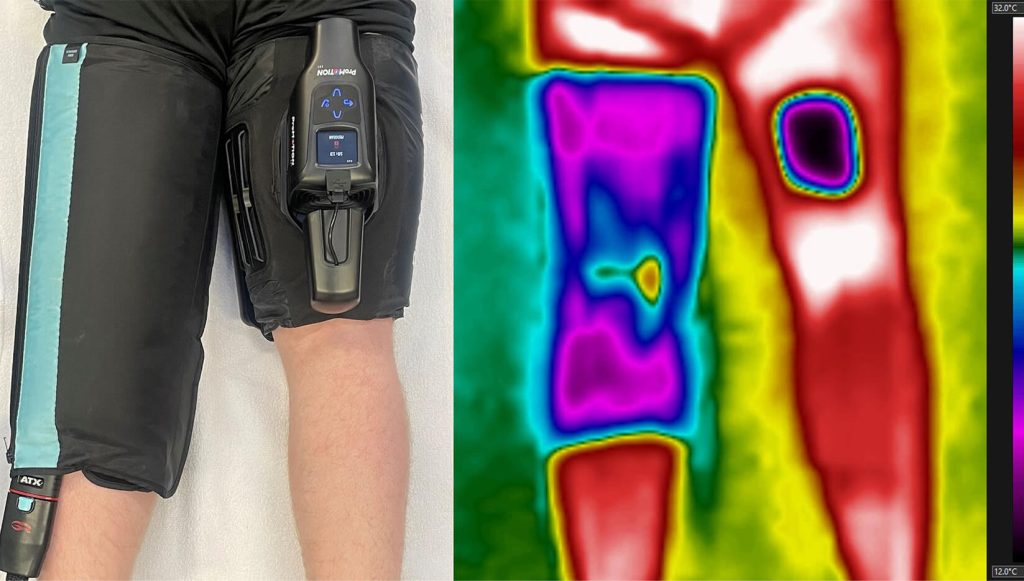
Cooling constricts local blood vessels, which can slow the flow of fluid into swollen tissue. National Institutes of Health overview of cold therapy for acute injuries Compression applied at the same time helps keep the pad in contact with the skin and limits fluid buildup. Devices in this category usually combine both.
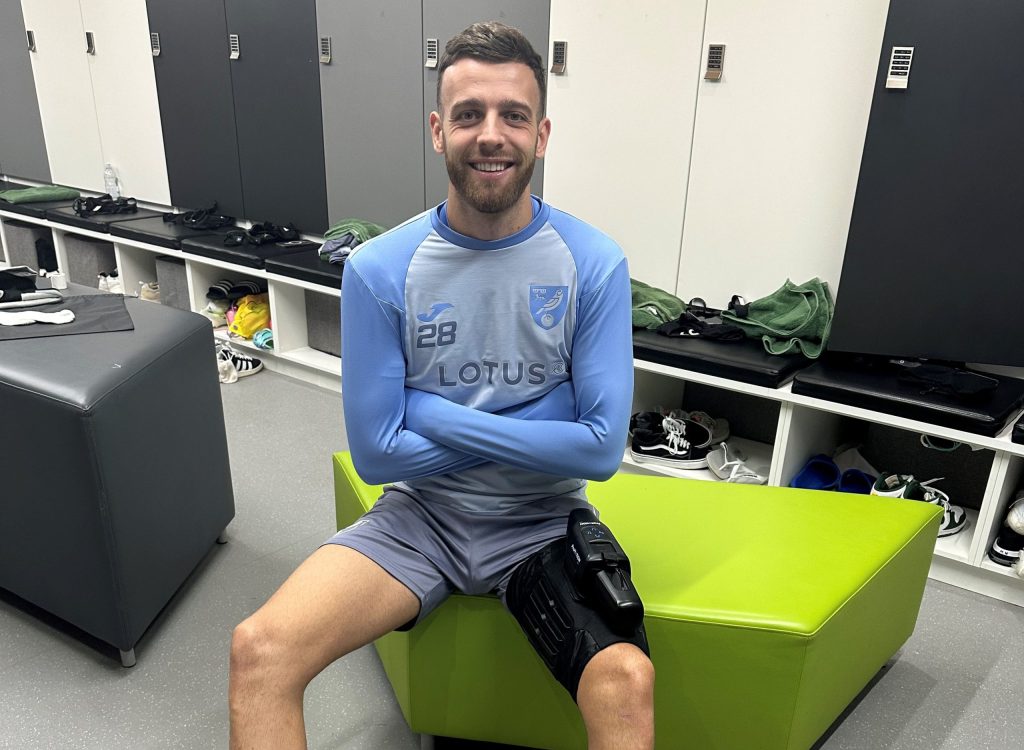
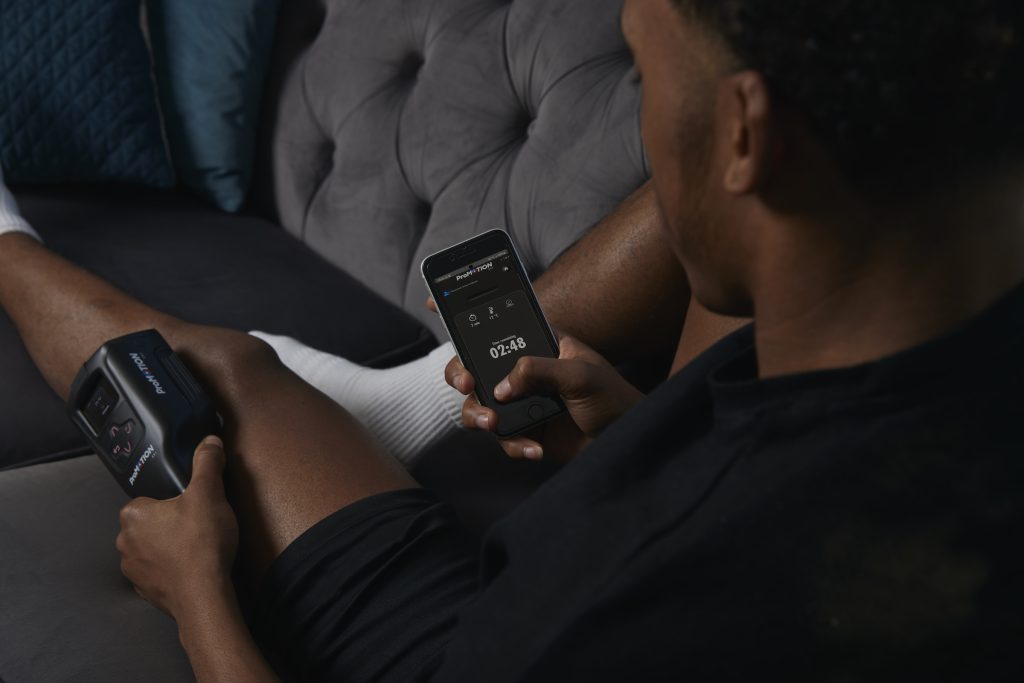
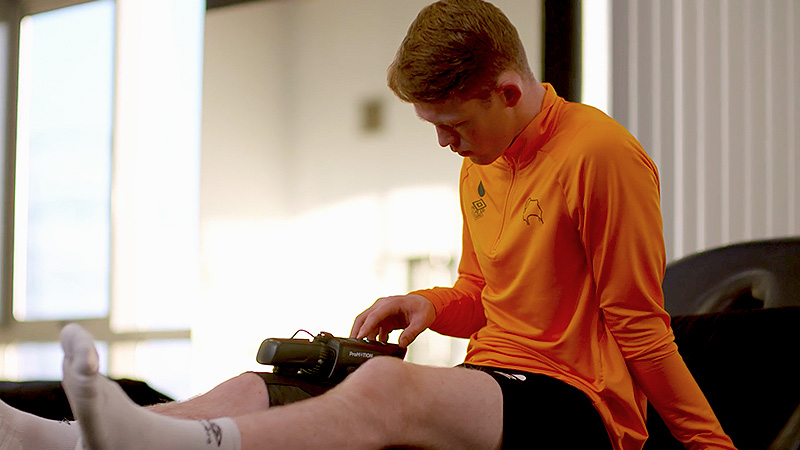
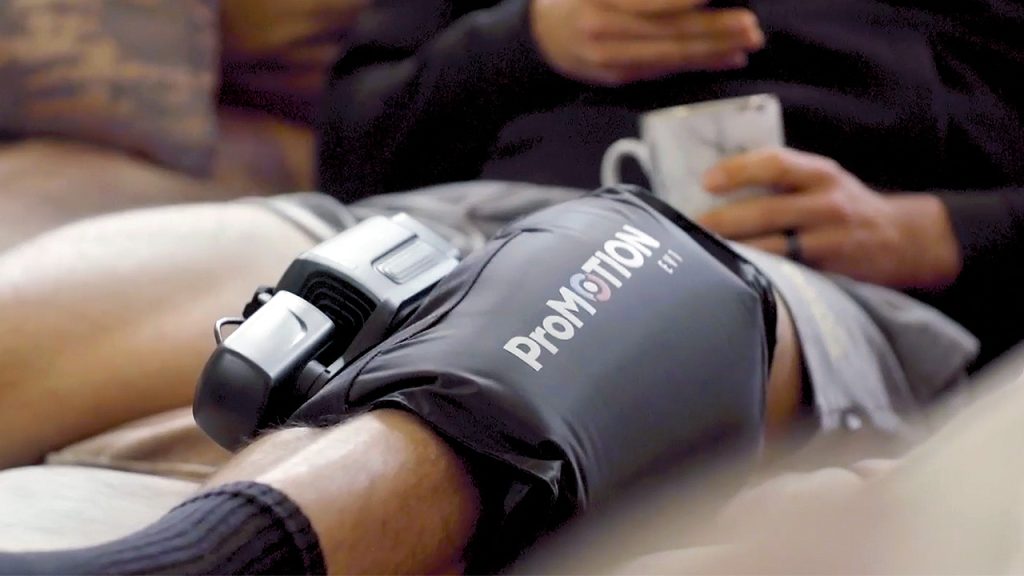
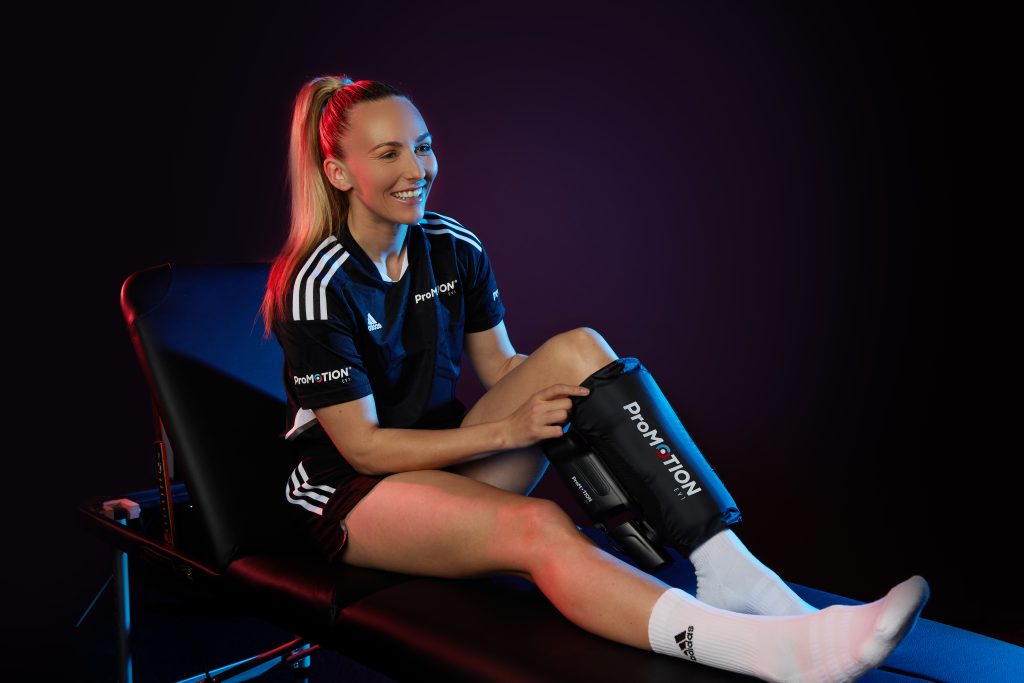
Most portable units circulate chilled water through a pad that wraps around the knee, ankle, shoulder or hip. A remote or built-in display lets the user set a temperature and a session timer. Because the pad stays in place, the user can rest with the joint elevated instead of holding an ice pack.
Watch out: setting the temperature too low or leaving the pad on too long can irritate the skin. Check the skin after each session and follow the manufacturer's time limits.
Cryotherapy Benefits for Joint Swelling and Pain
The main benefit people look for is short-term relief from pain and swelling after activity, injury or surgery. Cold can dull the sensation of soreness, so many users find they can move the joint sooner. Continuous, adjustable cooling is one of the main differences from a single ice pack, which warms up within minutes.
Benefits reported with cold therapy include reduced discomfort and less stiffness after a workout. Recovery after joint surgery is another common use, since post-operative swelling is often the first thing patients and their care teams try to manage. American Academy of Orthopaedic Surgeons guidance on managing post-operative swelling
Results vary from person to person. Cold therapy is best viewed as a way to manage symptoms while the body heals, not as a fix for the underlying cause of the swelling.
Cryotherapy for Arthritis: What the Evidence Suggests
People with arthritis often ask whether cryotherapy can help with the pain and stiffness of joint disease. Evidence is more limited here than for acute injury. Some studies have reported short-term pain relief, but the research is not consistent in size, method or duration of treatment.
Clinical guidance generally treats cold as one option among several, alongside exercise, medication and heat, depending on the type of arthritis and how active the disease is. Arthritis Foundation information on managing joint pain A device can help with symptom control, but it does not change the course of the disease.
Anyone with arthritis who is considering a portable device should discuss it with their doctor or physical therapist first.
Portable Cryotherapy Knee Machines Compared: Pros, Cons and Pricing
Portable knee machines differ mainly in cooling method, pad design, battery life and control features. Below is a general comparison of the device types a buyer is likely to encounter. Specific models and prices should be checked directly with each manufacturer, since they change often.
| Device type | Typical cooling method | Strengths | Limitations |
|---|---|---|---|
| Circulating-water unit | Chilled water pumped through a pad | Steady, adjustable temperature | Heavier; needs refilling and cleaning |
| Battery-powered cold pad | Thermoelectric or refrigerant cooling | Cordless and easy to carry | Shorter run time; may be less powerful |
| Gel or reusable cold wrap | Freezer-chilled gel | Low cost; no electronics | No temperature control; warms quickly |
Pros of portable knee machines
- Consistent, adjustable cooling for longer sessions
- Hands-free use while resting or elevating the leg
- Compression can be combined with cold in many models
Cons of portable knee machines
- Higher upfront cost than ice packs or gel wraps
- Battery and pad wear over time
- Setup and cleaning take more effort
Pricing. Prices for portable cryotherapy devices vary widely by design, features and retailer, and they change frequently. Check the manufacturer's current listing or a retailer's website for the latest prices in USD before comparing options.
Compared with a gel wrap, which can cost a few dollars, a portable unit is a much larger purchase. Whether the difference is worth it depends on how often the device will be used.
Step-by-Step: Using a Portable Cold Therapy Unit on a Swollen Joint
The general steps below apply to most portable units. Always follow the manufacturer's instructions for your specific model, since pad design, hose connections and control panels vary.
- Read the manual and check the device. Confirm the pad, hoses and power source are intact and that the unit is clean. Look for cracks at the hose-to-pad connection, which is a common leak point.
- Fill and prime the unit if required. Circulating-water models need clean water and sometimes a short priming cycle. Use distilled water if the manual calls for it to reduce mineral buildup in the pump.
- Position the pad. Wrap it snugly around the joint, centered over the swelling, with no wrinkles. The pad should touch the skin or a thin barrier layer evenly, not bunch at the edges.
- Set the temperature and timer. Start with the manufacturer's recommended settings and session length. Session length depends on the device, the joint and the reason for treatment, so follow the manufacturer's guidance and a clinician's advice.
- Elevate the joint. Rest with the leg or arm raised above heart level if possible. Elevation supports fluid drainage and is often recommended alongside cold therapy rather than instead of it.
- Check the skin. Look for excessive redness, numbness or pain during and after the session. A brief pink flush that fades is common; skin that stays white, waxy or blue is not.
- Remove, dry and rest. Turn the unit off, remove the pad and allow the skin to return to normal before any activity. Dry the pad and hoses before storage to prevent mildew.
Joint-specific fitting and positioning. The same pad does not wrap every joint the same way, and a loose or misaligned pad cools unevenly.
- Knee. Center the pad over the front and sides of the knee, with the top edge above the kneecap and the bottom edge below it. Keep the leg supported on a pillow with the knee slightly bent, not locked straight, so the pad stays in contact.
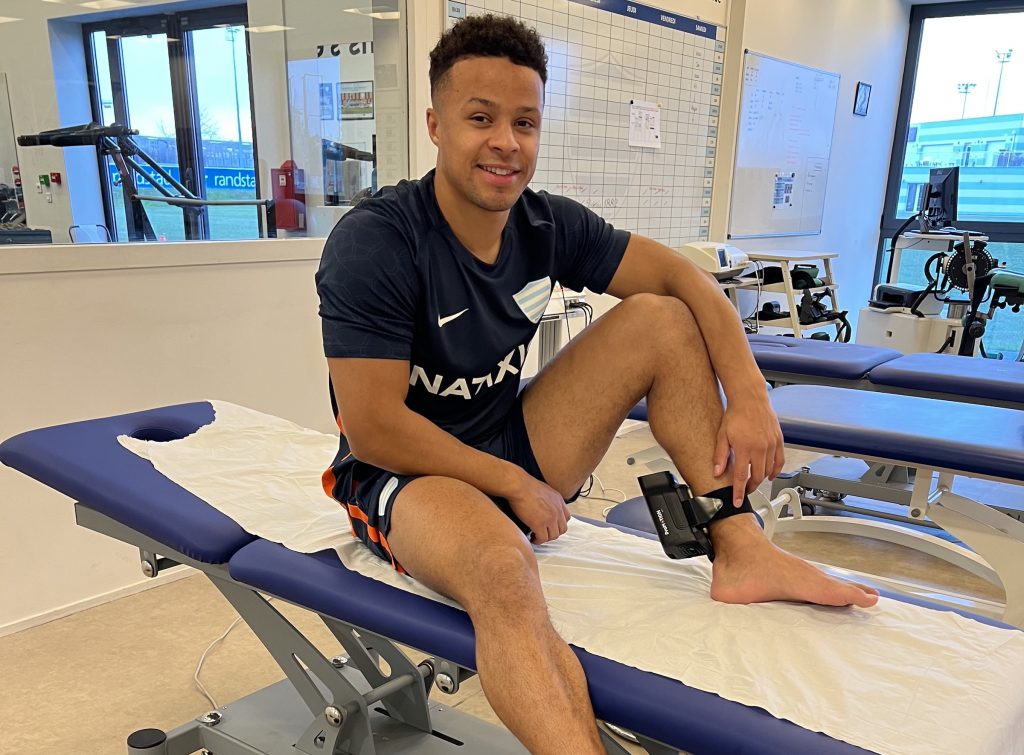
- Ankle. Wrap the pad around the ankle with the foot at roughly a right angle to the shin. Elevate the foot on a pillow so the heel is not pressing into a hard surface.
- Shoulder. Drape the pad over the top and front of the shoulder, securing it so it does not slide when the arm moves. Support the forearm on a pillow to reduce pull on the shoulder.
- Hip. Hip pads are larger and harder to keep in place; position the pad over the outer hip and upper thigh and use the straps to hold it without pinching. A reclined position with a pillow under the knee helps keep the pad seated.
Duration, temperature and frequency. Product listings mention controls but rarely explain how to use them. Prolonged continuous cold can raise the risk of skin injury, so follow the device instructions and a clinician's guidance on session length and frequency. Start at the warmer end of the device's range and adjust only if the skin tolerates it. Stop a session early if the skin feels numb or stings.
Managing swelling alongside cold therapy. Cold therapy works best as one part of a broader approach. Elevation, gentle movement as directed by a clinician, and compression when appropriate all support swelling control. Do not use cold therapy as a substitute for rehabilitation exercises or for medical evaluation of a new injury.
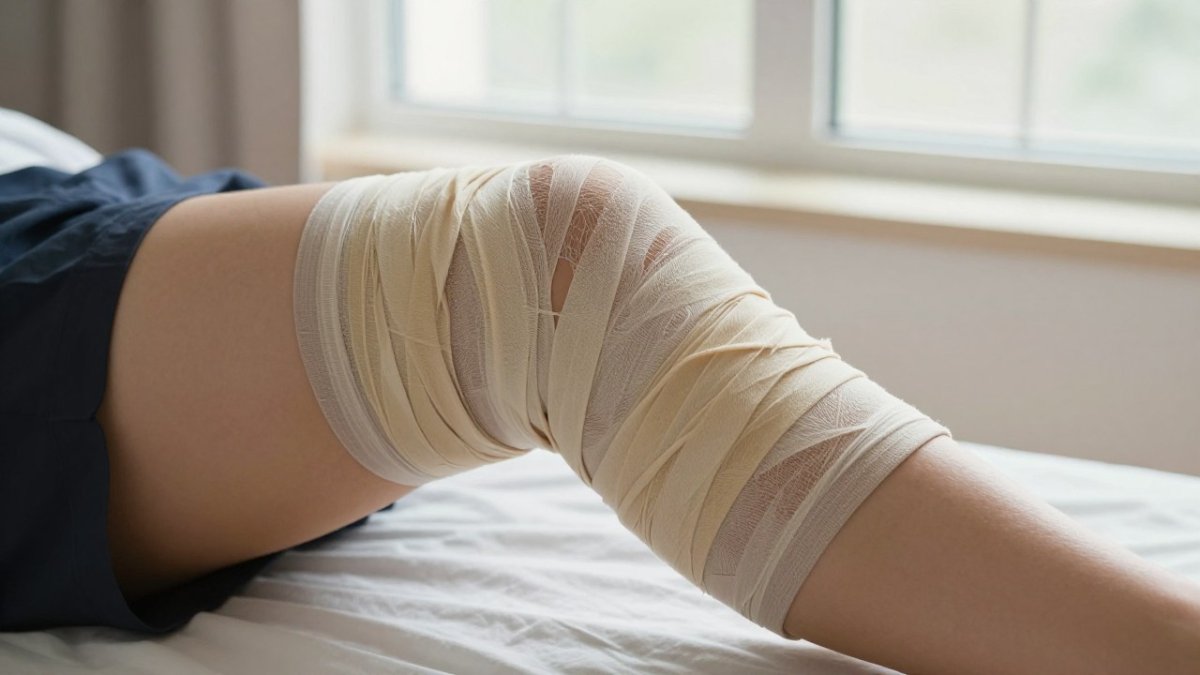
Watch out: wrapping the pad too tightly can restrict circulation and cause more harm than the cold itself; you should be able to slide a finger under the strap.
Safety Limits, Warning Signs and When to Avoid Cold Therapy
Cold therapy is not appropriate for everyone, and the risks are mostly skin and circulation related. Avoid using a portable unit, or check with a doctor first, if you have poor circulation, cold sensitivity or conditions such as Raynaud's phenomenon.
Protecting the skin. A few practical habits reduce the most common problems:
- Use a thin barrier between the pad and bare skin only if the manufacturer allows it.
- Check the skin during and after each session rather than waiting for the timer to end.
- Never fall asleep with a cold pad in place or leave it on unattended.
- Do not apply cold over broken skin, a rash, or an area with poor sensation.
- Warm the skin gradually after a session; do not use a heating pad or hot water immediately afterward.
When to stop and seek advice. Stop using the device and contact a doctor if you notice numbness that does not fade within a short time after removing the pad, pale or blue skin, blistering, increasing pain or swelling, or signs of infection such as warmth, fever or redness spreading from the area.
A simple stop rule. A common pattern is to treat any of the following as a signal to end the session and reassess: skin that turns white or waxy, a burning or stinging sensation that does not settle, or numbness that persists after the pad is removed.
What cold therapy cannot do. Cold therapy should not replace a diagnosis. Swelling can signal a fracture, a blood clot or other conditions that need evaluation, and persistent or worsening swelling after an injury or surgery should be checked rather than managed with cold alone.
National Institutes of Health overview of cold therapy safety
Watch out: reduced sensation from diabetes or nerve damage can hide early skin injury, so inspect the skin before and after every session rather than relying on how it feels.
Deciding Whether a Portable Cryotherapy Device Fits Your Recovery Plan
A portable cryotherapy device may suit someone with recurring joint soreness, a recent injury or a post-surgical recovery plan that includes cold therapy. It may be less useful for occasional mild aches that respond well to a freezer pack and rest.
Before buying, consider how often you will use it, whether you need temperature control, how much you can spend, and whether a clinician has recommended cold therapy for your condition. Compare device features and warranty terms, and confirm the return policy with the seller.
A consultation with a doctor, physical therapist or other qualified professional can help determine whether a portable device is a reasonable part of your recovery plan. It remains one tool among several.
Frequently Asked Questions
Can cryotherapy help reduce swelling?
Cold application is widely used to limit swelling and soreness after injury or surgery, and portable cryotherapy units deliver cold water or cooled air to the area. Research on the size of the effect is limited and mixed, so treat it as a supportive measure rather than a cure. Keep sessions controlled, follow the device instructions, and check with your clinician if swelling is severe, persistent or accompanied by warmth, redness or fever.
How much does a portable cryotherapy machine cost?
Swellaway has not published pricing in this article, and prices for portable cryotherapy machines vary with the model, accessories and retailer. For current pricing or a quote, check Swellaway's website directly. When comparing any device, look at the included pads, the warranty, replacement parts and whether a battery or water reservoir is needed. The purchase price matters less than how often you will use it.
How long should you use cold therapy on a swollen joint?
Use the timer and temperature settings on your device, and do not leave cold on one spot continuously. Stop if the skin becomes numb, pale, blistered or painful. Your clinician can recommend a duration and frequency suited to your joint and condition.