Table of Contents
- Understanding How Your Body Recovers
- Step 1: Apply Immediate Cold and Compression Therapy
- Step 2: Manage Inflammation With Heat and Cold Cycles
- Step 3: How to Speed Up Ankle Sprain Recovery and Other Soft Tissue Injuries
- Step 4: Optimize Nutrition and Hydration for Faster Healing
- Step 5: How to Reduce Post-Surgical Swelling and Support Tissue Repair
- Step 6: Prioritize Sleep and Active Recovery
- Step 7: Track Your Progress and Adjust Your Recovery Protocol
- Frequently Asked Questions
Last Updated: September 19, 2026
Understanding How Your Body Recovers
Recovery is the process your body uses to repair muscle tissue, replenish energy stores, and adapt to exercise or injury, understanding how to improve recovery time is essential for athletes and anyone healing from injury. When muscles work hard, they develop small tears that your body fills with new protein, making muscles stronger and more resilient.
Recovery requires your nervous system to reset, muscles to receive fuel and protein, joints to have reduced inflammation, and sleep to allow focused repair.
Recovery timelines vary: intense workouts need 24-72 hours, soft tissue injuries need weeks, and post-surgical recovery can take months. Understanding these timelines prevents re-injury.
Recovery isn't passive rest, it's an active process requiring targeted intervention, proper nutrition, and strategic rest days to rebuild stronger.
Step 1: Apply Immediate Cold and Compression Therapy
Cold therapy reduces inflammation and limits swelling when applied within 15 minutes of injury. Use ice packs, cold water immersion, or portable therapy devices.
Compression applies pressure to reduce fluid buildup and prevent excessive swelling. Combined, cold and compression are among the most effective immediate interventions.
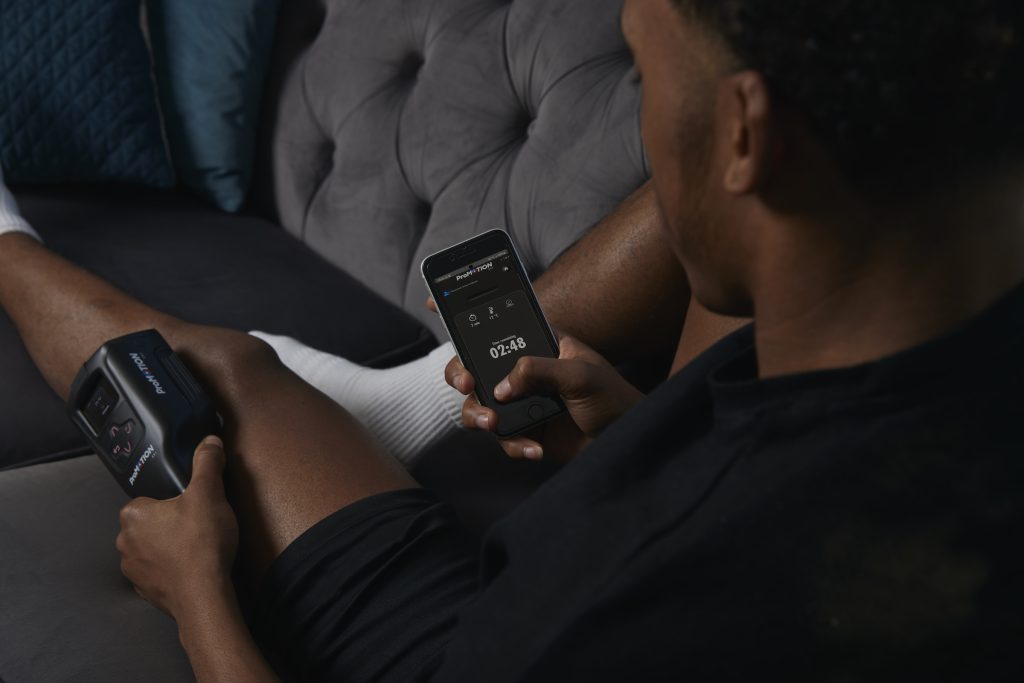
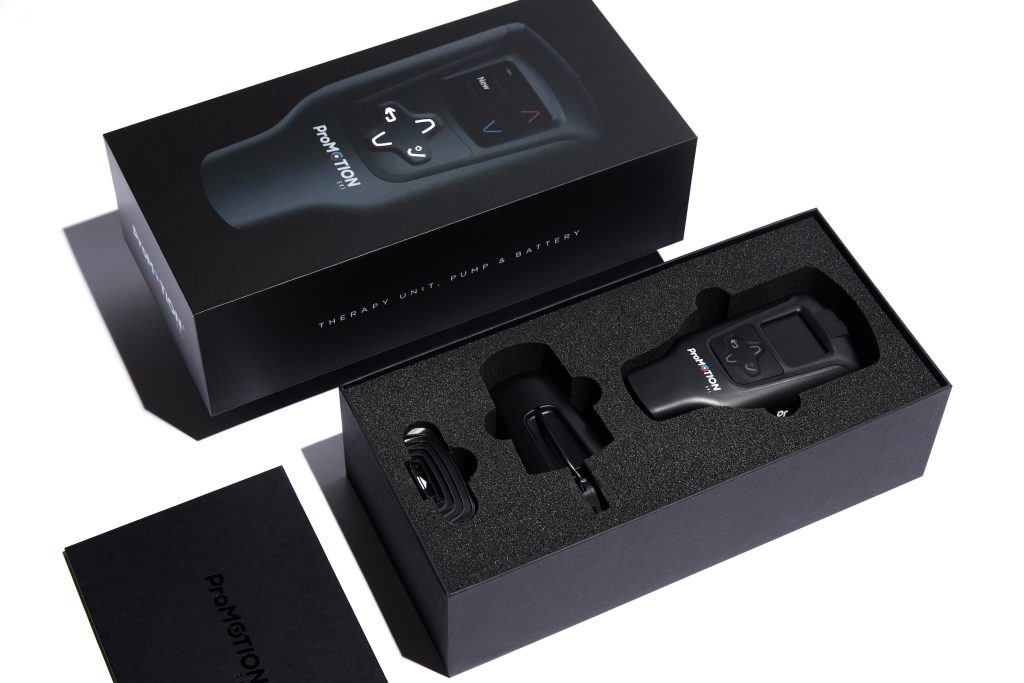
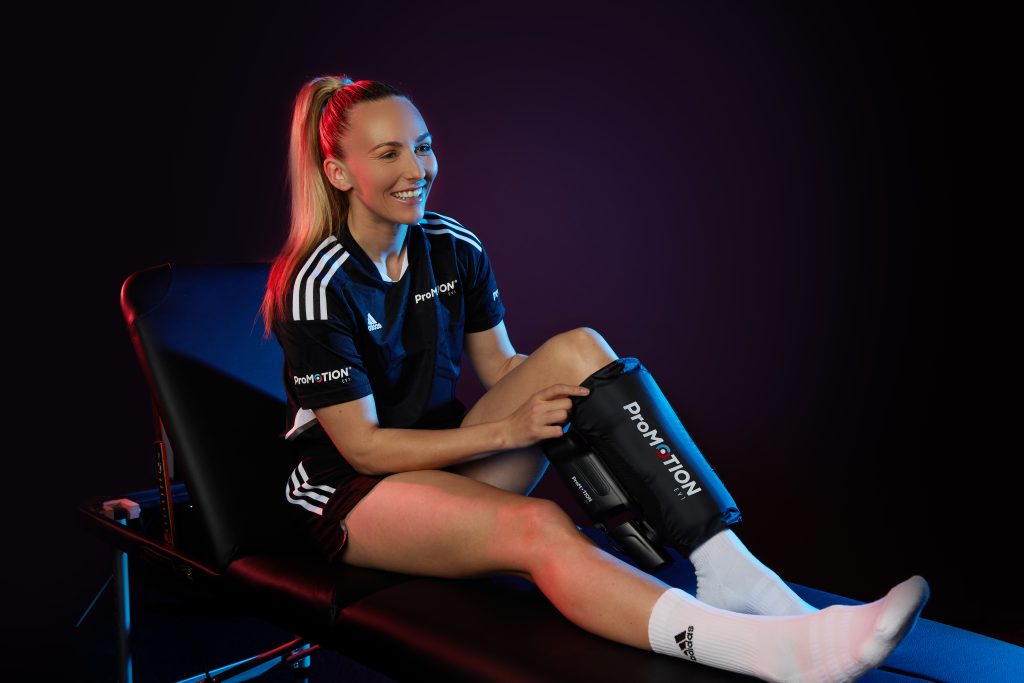
The first few hours after injury are critical, early swelling becomes harder to manage later. A portable device delivering both cold and compression simultaneously can improve recovery time compared to separate tools.
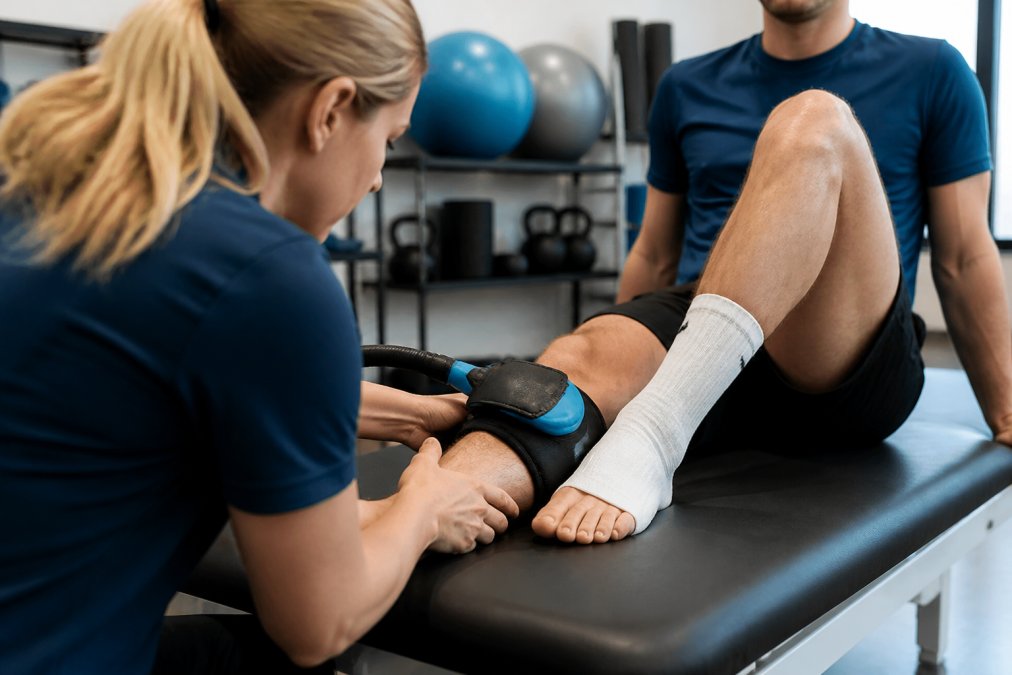
Apply cold therapy for 15-20 minutes at a time, then remove for 20 minutes before reapplying. This cycle prevents tissue damage from prolonged cold exposure while maintaining the anti-inflammatory benefit.
Step 2: Manage Inflammation With Heat and Cold Cycles
After 48 hours, inflammation shifts from harmful to helpful. Managing this transition requires alternating heat and cold to optimize repair and mobility.
Heat increases blood flow and flexibility while cold manages remaining inflammation. Alternating optimizes repair and mobility.
Step 3: How to Speed Up Ankle Sprain Recovery and Other Soft Tissue Injuries
Ankle sprains cause ligament stretching or tearing, requiring 4-12 weeks recovery. The goal is to reduce swelling, restore mobility, and rebuild strength.
Returning to activity too quickly is the most common cause of re-injury. Even if pain decreases, tissues are not fully healed. Follow a gradual progression and listen to your body's signals.
Step 4: Optimize Nutrition and Hydration for Faster Healing
Tissue repair requires protein (amino acids), carbohydrates (glycogen), healthy fats (hormones), and micronutrients like vitamin C and zinc (collagen and immune function).
Step 5: How to Reduce Post-Surgical Swelling and Support Tissue Repair
Post-operative swelling restricts movement and delays rehabilitation. Aggressive swelling management in the first 2-4 weeks accelerates recovery.
Step 6: Prioritize Sleep and Active Recovery
Sleep is when your body repairs itself, growth hormone peaks, muscle protein synthesis accelerates, and the nervous system resets. Skipping sleep sabotages recovery.
Nervous System Recovery and Parasympathetic Activation
Physical recovery requires nervous system recovery. Intense exercise activates the sympathetic nervous system (fight-or-flight), which must be downregulated during recovery. Elevated sympathetic tone suppresses repair processes.
- Diaphragmatic breathing: Slow, deep breathing from the belly activates the vagus nerve, the primary parasympathetic pathway. Practice 5-10 minutes of slow breathing (4-second inhale, 6-second exhale) in the evening or after workouts.
- Cold water immersion: While cold therapy reduces inflammation locally, brief cold exposure (30-90 seconds in water below 60°F) followed by gradual rewarming triggers parasympathetic rebound, a powerful recovery signal.
- Meditation and mindfulness: Even 10 minutes daily reduces cortisol and activates parasympathetic tone. Research shows meditation measurably improves recovery markers in athletes.
- Gentle stretching and yoga: Low-intensity movement with focused breathing (yin yoga, restorative yoga) directly activates parasympathetic function while maintaining mobility.
Psychological Recovery
Mental fatigue delays recovery as effectively as physical fatigue. High-stress training, competition, or injury creates psychological load requiring separate management.
Track your resting heart rate and mood daily. Elevated resting heart rate (5+ bpm above baseline) or mood decline signals nervous system fatigue and indicates you need more parasympathetic recovery. Reduce training intensity or take an extra rest day when these markers appear.
Step 7: Track Your Progress and Adjust Your Recovery Protocol
Objective measurements are more reliable than subjective feeling for determining recovery readiness and progression timing.
Basic Functional Metrics
Start with measurements you can take daily:
Swelling measurements: Measure circumference daily at the same time. A reduction of 0.25-0.5 inches per week indicates successful management.
Wearable Metrics: Heart Rate Variability and Resting Heart Rate
Wearable devices provide objective nervous system data that predicts recovery readiness better than physical metrics alone.
How to use HRV for recovery decisions:
- Establish your baseline by measuring HRV daily for 2 weeks at the same time (ideally upon waking, before activity).
- A drop of 10% or more below your baseline indicates nervous system fatigue. This is a signal to reduce training intensity or take an extra rest day.
- Consistent HRV increases week-to-week indicate successful recovery and readiness to progress training.
- Most wearable devices calculate HRV automatically; popular options include Whoop, Oura Ring, and many smartwatches (Apple Watch, Garmin, Fitbit).
Sleep Quality and Duration Data
Wearable devices track both sleep duration and sleep stages (light, deep, REM). This data is far more informative than simply knowing you slept 8 hours.
- Deep sleep percentage: Aim for 10-15% of total sleep in deep sleep. This is when most physical repair occurs. Low deep sleep despite adequate total sleep indicates poor sleep quality and incomplete recovery.
- Sleep consistency: Irregular sleep patterns (varying bedtimes, wake times, or total duration) impair recovery even if total hours are adequate. Consistent sleep schedules produce better recovery outcomes.
- Sleep debt: Track cumulative sleep deficit over the week. If you're consistently short by 1-2 hours nightly, you're accumulating a recovery deficit that will eventually impair performance.
Recovery Readiness Scores
Several wearable platforms (Whoop, Apple Watch, Garmin) calculate daily recovery readiness scores by combining HRV, resting heart rate, sleep data, and sometimes additional metrics. These scores range from 0-100% and indicate your nervous system's capacity to handle training stress.
- 80-100% readiness: You can handle high-intensity training.
- 50-79% readiness: Moderate training is appropriate; avoid maximum intensity.
- Below 50% readiness: Focus on active recovery, mobility work, and parasympathetic activation. Avoid intense training.
Tracking Inflammation and Tissue Quality
Beyond swelling measurements, some athletes use additional tools:
- Ultrasound imaging: If available through your healthcare provider, ultrasound can assess tissue healing objectively. Scar tissue appearance, fluid presence, and tissue echogenicity change predictably during healing.
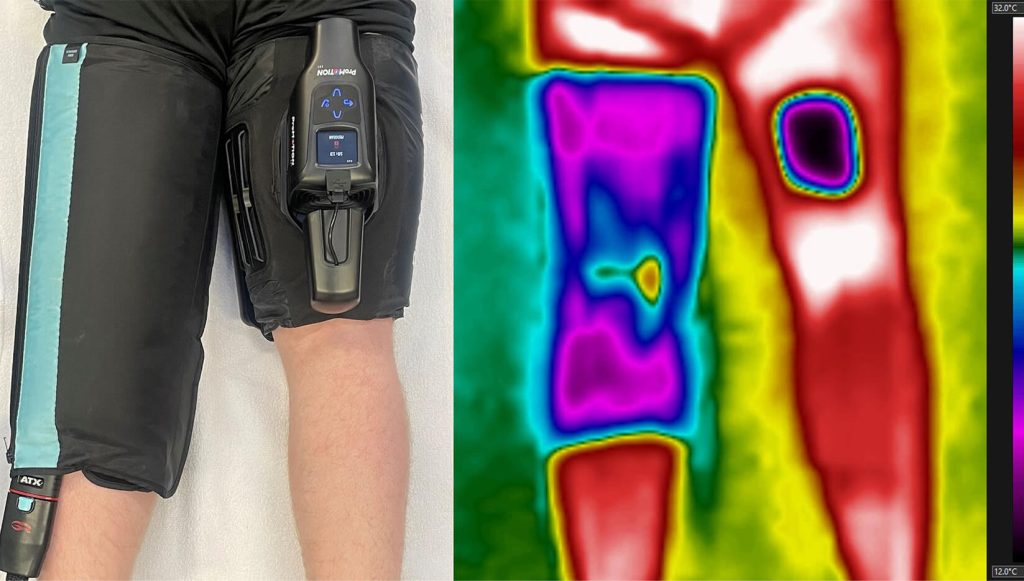
- Thermal imaging: Infrared cameras show inflammation as heat. Comparing thermal images over weeks shows inflammation reduction objectively.
- Strength testing: Use a simple dynamometer or resistance band to measure strength in the injured area. Strength improvements indicate tissue healing and readiness to progress.
Adjustment Protocol
Recovery is not linear. Some days feel better than others. Weekly trends matter more than daily fluctuations. If you're improving week-to-week across multiple metrics, your protocol is working. If you've plateaued for more than a week, adjust your approach:
- Plateau in swelling: Increase compression frequency, elevation time, or cold therapy sessions. Consider adding heat therapy if you're past the first 48 hours.
- Plateau in pain or function: Progress rehabilitation intensity (more challenging exercises, greater range of motion work). Pain plateau often means tissues are ready for more stress.
- Declining HRV or elevated RHR: Reduce training intensity, add parasympathetic recovery practices, or take an extra rest day. This indicates nervous system fatigue.
- Poor sleep quality despite adequate hours: Improve sleep environment (darker, cooler, quieter), establish consistent bedtime routine, or reduce caffeine/screen time before bed.
If you're serious about recovery, invest in at least one wearable that tracks HRV and resting heart rate. The nervous system data these devices provide is more predictive of recovery readiness than any physical measurement. Most devices cost $100-$300 and pay for themselves through better training decisions and injury prevention.
Frequently Asked Questions
What are the most effective evidence-based methods to improve recovery time?
The most effective strategies combine cryotherapy, compression, proper nutrition, hydration, and sleep. Cold therapy reduces inflammation and blood flow to the injury site immediately after trauma. Compression minimizes swelling by limiting fluid accumulation. Adequate protein intake supports muscle protein synthesis needed for tissue repair. Electrolyte balance maintains proper cellular function. Quality sleep allows your central nervous system and tissues to undergo repair and remodeling. Portable therapy devices that combine these modalities, like cryotherapy and compression in one unit, enable consistent treatment outside clinical settings, which accelerates overall recovery timelines.
How can compression therapy help reduce post-surgical swelling?
Compression therapy works by applying controlled pressure around the injured or post-operative area, which limits fluid accumulation in tissues and reduces inflammation. This pressure helps redirect fluid back into circulation, preventing the buildup that causes swelling and pain. For post-surgical patients, compression also supports blood flow to promote tissue healing and can reduce delayed onset muscle soreness. Precise, adjustable compression, rather than static wraps, allows you to apply the right amount of pressure without cutting off circulation. Using compression consistently during the first 48-72 hours after surgery or injury produces the most noticeable reduction in swelling.
How does age impact the time required for muscle and tissue recovery?
Recovery time increases with age due to changes in muscle protein synthesis rates, reduced growth hormone production, and slower tissue remodeling processes. Younger athletes typically see acute soft tissue injuries resolve in 2-4 weeks, while older individuals may require 6-8 weeks or longer for the same injury. Factors like sleep quality, nutritional status, and activity level also influence recovery speed at any age. Regardless of age, consistent application of evidence-based recovery strategies, compression therapy, proper nutrition, adequate sleep, and active recovery, can meaningfully shorten recovery timelines. Older individuals benefit especially from structured recovery protocols that address inflammation, blood flow, and tissue repair systematically.
What role does cryotherapy play in speeding up recovery from injuries?
Cryotherapy (cold therapy) reduces pain, inflammation, and blood flow to the injury site during the acute phase (first 48-72 hours). Cold narrows blood vessels, which limits swelling and numbs pain signals. This allows injured athletes to move more comfortably during early rehabilitation, preventing muscle atrophy from prolonged immobility. After the acute phase, alternating between cold and heat therapy promotes blood circulation needed for tissue repair and nutrient delivery. Portable, cordless cryotherapy devices allow you to apply precise cold therapy multiple times daily, which maintains consistent inflammation control and accelerates the transition to active recovery phases.